

































Renier J. Brentjens, MD, PhD, associate professor, chief, Cellular Therapeutics Center, Memorial Sloan Kettering Cancer Center, discusses the outlook for CAR-modified T cells.

Renier J. Brentjens, MD, PhD, associate professor, chief, Cellular Therapeutics Center, Memorial Sloan Kettering Cancer Center, discusses the outlook for CAR-modified T cells.
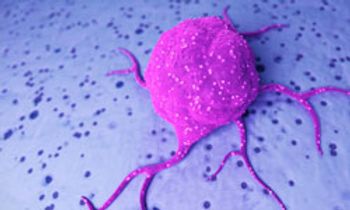
With the growing knowledge of immune system components, signaling processes, and regulatory networks, cancer immunotherapy has yielded increasingly favorable treatment outcomes.

While the concept of cancer-specific immunotherapy is not new, it recently has been proven feasible as a rational treatment for patients with some of the most challenging and difficult malignancies.
Harriet Kluger, MD, associate professor of medicine (medical oncology), associate director, Hematology/Oncology Fellowship Program, Yale Cancer Center, explains how immunotherapies are changing the treatment of melanoma.

The use of predictive biomarkers in cancer medicine may allow oncologists to target interventions to populations with greater response rates, affect sizes, and benefit-risk ratios.

Work on viruses as antitumor agents began in the 1950s, but advances in molecular biology have provided new tools and new possibilities for engineering their potency, selectivity, and safety.
Balazs Halmos, MD, section chief of Thoracic Oncology at NewYork-Presbyterian Hospital/Columbia University Medical Center, discusses the future of immunotherapy treatments.

Survival rates for patients with cancer have consistently increased in past decades. However, a gap remains in treatment options, particularly for patients with a history of treatment for advanced or recurrent solid-tumor cancers.

A wide-ranging analysis of more than 5500 breast cancer tumors that combined genomic and protein expression testing has identified promising targets to explore for treating patients with poor prognoses, with particularly notable findings involving androgen receptor (AR) expression.

Until recently, the cornerstone of therapy for metastatic melanoma had been chemotherapy with dacarbazine (DTIC) and immunotherapy with high-dose interleukin-2 (HD IL-2) or interferon- (IFN- ).
Antoni Ribas, MD, PhD, professor of medicine, Jonsson Comprehensive Cancer Center, University of California, Los Angeles, discusses the excitement surrounding immunotherapies for the treatment of patients with melanoma.

Naiyer A. Rizvi, MD, an associate attending physician, Memorial Sloan Kettering Cancer Center, discusses PD-L1 as a potential biomarker for immunotherapy agents for patients with lung cancer.
Georgina Long, BSc, PhD, MBBS, FRACP, medical oncologist, translational researcher, Melanoma Institute Australia, The University of Sydney, highlights targeted therapies in development for melanoma.
Renier J. Brentjens, MD, PhD, associate professor, chief, Cellular Therapeutics Center, Memorial Sloan Kettering Cancer Center, discusses the utility of CAR-modified T cells in myeloid malignancies.
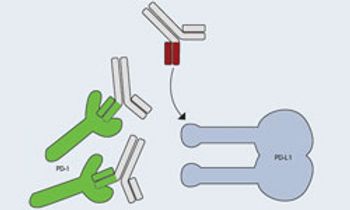
There are currently numerous experimental therapeutic options in various phases of clinical development that may hold promise for patients with advanced melanoma.
Harriet Kluger, MD, associate professor of medicine (medical oncology), associate director, Hematology/Oncology Fellowship Program, Yale Cancer Center, discusses the toxicities associated with immunotherapies.

Margaret A. Tempero, MD, director, Pancreas Center, University of California, San Francisco, discusses the potential for immunotherapies in pancreatic cancer.
David F. McDermott, MD, associate professor, Department of Medicine, Harvard Medical School/Dana-Farber Cancer Institute, discusses PD-L1 expression in kidney cancer and developing biomarkers for anti-PD-L1 agents.
According to a retrospective analysis of the phase III COMPARZ trial, high tumor expression of the protein PD-L1 (programmed cell death 1 ligand 1) is independently associated with shorter overall survival (OS) in patients with metastatic renal cell carcinoma (mRCC) receiving treatment with vascular endothelial growth factor (VEGF)-targeted therapy.

Treatment with decitabine prior to administration of chemotherapy and a cancer vaccine yielded clinical benefit for women with recurrent ovarian cancer, suggesting that this combinatorial chemoimmunotherapy may provide a new treatment option.
The future of PD-1 and PD-L1 inhibition in non-small cell lung cancer (NSCLC) is bright, with ongoing studies suggesting that the strategy will lead to a “new world†in the treatment of the disease.
Harriet Kluger, MD, associate professor of medicine (medical oncology), associate director, Hematology/Oncology Fellowship Program, Yale Cancer Center, comments on the changing landscape of immunotherapies for the treatment of melanoma.
James J. Hsieh, MD, PhD, medical oncologist, Memorial Sloan-Kettering Cancer Center, discusses emerging treatment options for patients with kidney cancer.
Renier J. Brentjens, MD, PhD, associate professor, chief, Cellular Therapeutics Center, Memorial Sloan-Kettering Cancer Center, discusses the differences between the CAR-modified T cells of three institutions.
Matthew Burke, MBA, RN, MSN, APRN-BC, Oncology Nurse Practitioner/Melanoma and Renal Cell Carincoma, Yale New Haven Hospital, discusses the difference between adverse events caused by chemotherapy and immunotherapy.