IMMUNOTHERAPY
Latest News
Latest Videos



CME Content





























More News
Non-Hodgkin Lymphoma

In solid tumors, targeted therapies are scarce for patients with mutations like KRAS or fusions like NRG1. Two clinical trials are investigating novel agents targeting these alterations to improve outcomes in patients with these particular genetic drivers of disease. The research was recently presented at the 2019 AACR-NCI-EORTC International Conference on Molecular Targets and Cancer Therapeutics.
The results of multiple studies suggest that bacteria may influence both cancer growth and the immune system, with certain species linked to improved immune surveillance of cancer. Some bacteria interact with the host’s immune system through paracrine factors to shape the immune system’s response to cancer.
Emerging from the recent 2019 World Conference on Lung Cancer are several notable developments, Robert L. Ferris, MD, PhD, wrote in this issue of <em>Targeted Therapies in Oncology. </em>
<br /> In the future, we’re going to do combination therapies. They will be used in a subset of patients better defined by profiling,” Kenneth C. Anderson, MD, told an audience at the Charlotte Plasma Cell Disorder Congress in North Carolina.
Marcelo C. Pasquini, MD, discusses the rationale for analyzing real-world data for the use of tisagenlecleucel, a chimeric antigen receptor T-cell therapy, as a treatment for patients with acute lymphoblastic leukemia and diffuse large B-cell lymphoma. This CD19 CAR T cell was approved 2 years ago for use in both ALL and DLBCL.

Patients with early triple-negative breast cancer receiving neoadjuvant treatment with the combination of pembrolizumab and chemotherapy showed extended pathological complete response rates by 13.6 percentage points compared with chemotherapy alone in the phase III KEYNOTE-522 study.
Certain patients with cancer who are treated using immune checkpoint inhibitors may develop a form of insulin-dependent diabetes that is associated with immune-related adverse events resulting from therapy, according to research published in <em>The Lancet Diabetes & Endocrinology</em>.
Now in it 24th year, the annual International Congress on Hematologic Malignancies: Focus on Leukemias, Lymphomas, and Myeloma, hosted by Physicians’ Education Resource, LLC, continues to bring significant advances in hematology to the forefront.

To improve the efficacy of chimeric antigen receptor T-cell therapies, Nirali N. Shah, MD, MHSc, suggested including new constructs that target more than 1 antigen in patients with acute lymphoblastic leukemia, during a presentation at the 2019 SOHO Annual Meeting.<br />
In an interview with Targeted Oncology, Sattva S. Neelapu, MD, discussed the evolving role for CAR T-cell therapy in patients with B-cell lymphomas. He also highlighted the toxicities commonly associated with these therapies and how physicians can treat these AEs as they arise.
Ryan Weight, DO discusses takeaways from the Immuno-Oncology Institute Working Group Summit. The summit was a part of the Association of Community Cancer Centers’ Immuno-Oncology Institute and brought together multidisciplinary working groups to strategize policy and delivery changes for the effective use of immunotherapy.
The initial pilot study of CTL019 in heavily pretreated CD19-positive hematologic malignancies demonstrated the feasibility of CAR T-cell therapy in patients with CLL. A presentation at the 2019 American Society of Gene & Cell Therapy Annual Meeting reported 2 cases of chemotherapy-resistant CLL, with ongoing follow- up at 8 years showing persistence of CAR-engineered T cells and sustained remission, as determined by flow cytometry and deep sequencing of immunoglobulin H rearrangements.
The American Society of Hematology has chosen Philip Greenberg, MD, to receive the 2019 E. Donnall Thomas Lecture and Prize for his work in immunotherapy.
In an interview with <em>Targeted Oncology</em>, Chong, a fellow at the University of Pennsylvania, discussed the 4-year follow-up data for CAR T cells in patients with DLBCL and FL. She also addressed the challenges that need to be overcome in order to give more patients access to this type of therapy.
In the phase I/II TRANSCEND CLL 004 study, chimeric antigen receptor T-cell therapy lisocabtagene maraleucel led to undetectable minimal residual disease in patients with relapsed/refractory chronic lymphocytic leukemia.
Kieron Dunleavy, MD, discussed current approaches to treating patients with MCL, highlighting peer discussions on the subject and information about the ZUMA-2 trial, in an interview with <em>Targeted Oncology</em>.

The FDA has granted an orphan drug designation to MB-102, a CD123-directed CAR T-cell therapy, for the treatment of patients with acute myeloid leukemia.

Updated results of the phase III KEYNOTE-048 trial comparing pembrolizumab as monotherapy and in combination with platinum chemotherapy and fluorouracil with standard-of-care chemotherapy support the use of the PD-1 inhibitor in the frontline for patients with recurrent or metastatic head and neck squamous cell carcinoma, according to Danny Rischin, MD, who presented the results of the final analysis at the 2019 American Society of Clinical Oncology Annual Meeting.
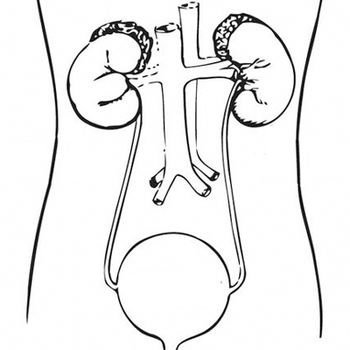
The development of an immune-related adverse event was associated with improved patient response in an FDA analysis of patients with advanced urothelial cancer treated with a PD-1/PD-L1 inhibitor.
The Cancer Research Institute announced 5 US scientists accepted into their inaugural CRI Lloyd J. Old STAR Program for taking on potentially transformative research in cancer immunology. The scientists were announced at the CRI’s recent “Immuno-Oncology: A Future Look” event at the New York Academy of Sciences, which also recognized and celebrated the seventh annual Cancer Immunotherapy Month.
Significant activity was observed when ibrutinib was administered concurrently with CD19-directed CAR T-cell therapy compared with separately in patients with high-risk relapsed/refractory chronic lymphocytic leukemia who had progressed on or were intolerant of ibrutinib. Data presented at the 15th International Conference on Malignant Lymphoma show a high response rate with this concurrent treatment.

David Spigel, MD, chief scientific officer, Sarah Cannon Research Institute, discussed with <em>Targeted Oncology</em>at the 2019 ASCO Annual Meeting how the Association of Community Cancer Centers (ACCC) is the change agent for helping physicians provide their patients with quality care. <br />