Articles by Gina Columbus
According to investigators on the phase 2 I-SPY 2 study, the addition durvalumab plus olaparib to treatment with neoadjuvant paclitaxel led to better pathologic complete response rates in patients with high-risk, HER2-negative stage II/III breast cancer compared with paclitaxel alone.

“RO7198457 in combination with atezolizumab induced immune responses in the majority of patients, including preliminary data demonstrating the detection of neoantigen-specific T-cell responses within the tumor."
“We are starting to see more and more patients with recurrent ovarian cancer, we’re treating them much more aggressively in the up-front setting, and we have to face PARP inhibitor resistance in the future.”
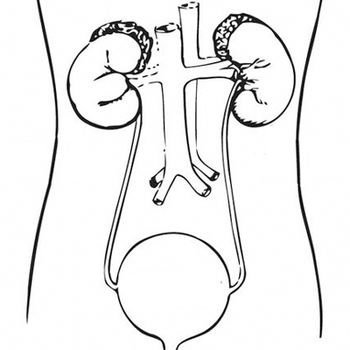
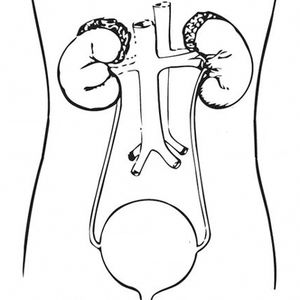
"Our data suggests similar activity of infigratinib in patients receiving it in the first-line setting versus subsequent lines for advanced urothelial carcinoma."
Patients with nonmetastatic castration-resistant prostate cancer receiving darolutamide plus androgen deprivation therapy had a 31% reduction for the risk of death compared with placebo and ADT, according to the results of the phase 3 ARAMIS trial’s preplanned final overall survival analysis presented during the 2020 ASCO Virtual Scientific Program.
Progression-free and overall survival in patients with previously untreated, advanced renal cell carcinoma continued to show improvements with the combination of pembrolizumab and axitinib versus sunitinib in the phase 3 KEYNOTE-426 trial.
"Pembrolizumab and chemotherapy demonstrated a statistically significant and clinically meaningful improvement in PFS as compared with chemotherapy alone for the first-line treatment of metastatic TNBC with a PD-L1 CPS of 10 or higher tumors."

"Adjuvant osimertinib is the first targeted agent in a global randomized trial to show a statistically significant and clinically meaningful improvement in disease-free survival in patients with stage IB/II/IIIA EGFR mutation–positive non–small cell lung cancer."

“Durvalumab and olaparib [given] concurrently with paclitaxel increased pCR rates in all 3 biomarker subsets where it was studied. The estimated probability that the experimental arm is superior to chemotherapy alone is greater than 98% in all subsets.”

Relapse-free survival was prolonged in patients with stage III/IV ovarian cancer who received frontline maintenance treatment with Vigil immunotherapy compared with placebo. This was especially true for patients with BRCA1/2 wild-type disease, according to results from the phase II VITAL study.
Frontline niraparib in addition to bevacizumab as maintenance demonstrated impressive clinical activity in patients with advanced ovarian cancer who achieved either a complete or partial response to frontline platinum-based chemotherapy with bevacizumab, according to the phase II OVARIO trial.
The updated results of the phase Ib/II EV-103 trial demonstrated that treatment-naïve patients with locally advanced or metastatic urothelial cancer who were ineligible for cisplatin-based chemotherapy showed an objective response rate of 73.3% when these patients were treated with enfortumab vedotin-ejfv in combination with pembrolizumab.<br />
For patients receiving chimeric antigen receptor T-cell therapy, cytokine release syndrome and neurotoxicity are the most common toxicities. A multidisciplinary approach to care is vital for these patients, explained Kimberly Noonan, DNP, ANP-BC, AOCN, in a presentation during the 24th Annual International Congress on Hematologic Malignancies.

Pembrolizumab is now FDA approved for the treatment of patients with Bacillus Calmette-Guerin–unresponsive, high-risk, non-muscle invasive bladder cancer with carcinoma in situ with or without papillary tumors who are ineligible for or have elected not to undergo cystectomy.
Ado-trastuzumab emtansine has been approved by the European Commission for the treatment of adult patients with HER2-positive early breast cancer, in the adjuvant setting who have residual invasive disease after taxane-based chemotherapy and HER2-targeted therapy, in the neoadjuvant setting.<sup>1</sup>
Fam-trastuzumab deruxtecan-nxki has been granted an accelerated approval by the FDA for the treatment of adult patients with unresectable or metastatic HER2-positive breast cancer who have received at least 2 prior lines of anti–HER2-based regimens in the metastatic setting.

Preliminary results from the phase III NeoTRIPaPDL1 Michelangelo study showed that the addition of atezolizumab to combination carboplatin plus nab-paclitaxel did not result in a statistically significant increase in the pathologic complete response rate compared with the combination alone in patients with early high-risk and locally advanced triple-negative breast cancer.
In the phase III APHINITY trial, pertuzumab with trastuzumab plus chemotherapy demonstrated a 0.9% improvement in overall survival and continued to reduce the risk of disease recurrence in patients with HER2-positive early breast cancer in the adjuvant setting, according to a 6-year analysis of the phase III APHINITY trial presented at the 2019 San Antonio Breast Cancer Symposium.
A 100% overall response rate was achieved with the combination of lenalidomide and obinutuzumab in patients with relapsed indolent non-Hodgkin lymphoma that was refractory to rituximab, according to findings of a single-arm, phase I/II trial presented at the 2019 American Society of Hematology Annual Meeting and Exposition.<br />
Findings from a subgroup analysis of the phase III AUGMENT trial of patients aged 70 or older with indolent non-Hodgkin lymphoma showed a 34% reduction in the risk of disease progression or death compared with rituximab plus placebo, according data presented at the 2019 American Society of Hematology Annual Meeting and Exposition.<br />
Patients <70 years old with chronic lymphocytic leukemia treated in the minimal residual disease (MRD)–cohort of the phase II CAPTIVATE trial had undetectable MRD rates of 75% and 72% in the peripheral blood and bone marrow, respectively, with the frontline combination of ibrutinib and venetoclax, according to findings presented at the 2019 ASH Annual Meeting.
Patients with treatment-naïve chronic lymphocytic leukemia experienced a statistically significant improvement in progression-free survival with acalabrutinib as a single agent or in combination with obinutuzumab when compared with obinutuzumab plus chlorambucil, according to results from the phase III ELEVATE-TN trial presented at the 2019 ASH Annual Meeting.
Overall survival was not improved with secondary cytoreduction followed by chemotherapy compared with chemotherapy alone in the phase III GOG-0213 trial, which missed its primary endpoint.
Patients with treatment-naïve EGFR-mutant non–small cell lung cancer experienced a statistically significant and clinically meaningful improvement in progression-free survival with the combination of ramucirumab and erlotinib compared with erlotinib alone, according to the results of the phase III RELAY trial which was recently published in The Lancet Oncology.
Adding PARP or CHK1 inhibitors to immunotherapies for the treatment of small cell lung cancer is the next step in the pipeline of novel combination approaches, according to Charles M. Rudin, MD, PhD, in a presentation at the <em>20th Annual </em>International Lung Cancer Congress.

Due to treatment benefit observed in pediatric patients with acute lymphoblastic leukemia, 2 clinical trials investigating blinatumomab (Blincyto) versus chemotherapy were stopped early, according to the drug developer Amgen.

Progression-free survival was not improved with pembrolizumab over chemotherapy in patients with malignant pleural mesothelioma, missing the primary endpoint of the phase III European Thoracic Oncology Platform PROMISE-meso trial presented at the 2019 ESMO Congress.
In patients with locally advanced or metastatic urothelial carcinoma, atezolizumab and chemotherapy improved median progression-free survival by 1.9 months compared with placebo and chemotherapy. However, no overall survival benefit was seen, according to results of the phase III IMvigor130 trial presented at the 2019 ESMO Congress.
Results from the phase III MONARCH 2 trial showed that the addition of the CDK4/6 inhibitor abemaciclib to fulvestrant improved overall survival by 9.4 months compared with fulvestrant and placebo in patients with hormone receptor–positive, HER2-negative advanced breast cancer who progressed on prior endocrine therapy, according to data presented at the 2019 ESMO Congress.
Ribociclib with fulvestrant resulted in a clinically significant overall survival benefit compared with placebo in postmenopausal patients with hormone receptor–positive, HER2-negative advanced breast cancer, according to findings from the phase III MONALEESA-3 trial presented at the 2019 ESMO Congress.