



IMMUNOTHERAPY
Latest News
Latest Videos






CME Content





























More News

T-cell–targeted immunomodulators burst onto the scene a decade ago, and investigators turned their focus to immune checkpoints such as CTLA-4, PD-1, and PD-L1 to develop new cancer-fighting strategies.

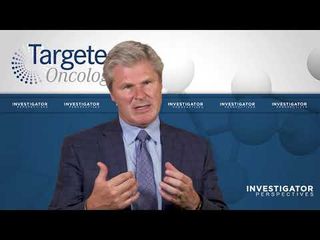
Maurie Markman, MD, addresses different treatment options, including checkpoint inhibitors, for patients with endometrial cancer.

As June is Cancer Immunotherapy Month, Mehmet Akce, MD, discusses the future of immunotherapy in HCC in an interview with Targeted Oncology.
An excerpt from the Targeted Talks highlights the interest in PD-1/PD-L1 and CTLA-4 antibodies, their mechanisms of action, and the potential they bring to the immunotherapy field.
As numerous approvals across cancer settings and emerging approaches are explored in clinical research, new findings presented at the 2021 American Society of Clinical Oncology Annual Meeting in June continue to encourage investigators.
While the volume and variety of information coming from current studies seems overwhelming, it is what is changing the cancer care environment today.

The latest updates on gastric and esophageal cancers focus on greater use of biomarkers, next-generation sequencing (NGS), and immunotherapies.
Avelumab was explored in a clinical trial for the treatment of locally advanced head and neck squamous cell carcinoma, but more research is needed to position the agent and other checkpoint inhibitors in the treatment landscape, experts say.
The FDA has been leading an industry-wide evaluation of accelerated approvals of oncology drugs for which the clinical benefit was not verified in confirmatory trials.
The first large study of Black patients receiving immune checkpoint inhibitors is underway to uncover differences in response to immunotherapy in Black patients compared with White patients.
Jason Luke, MD, leads a discussion with Sandip Patel, MD, about the present and future of immunotherapy in cancer.

The FDA has issued a letter to the developer of the immunotherapy vaccine, ERC1671, recommending that the phase 2 clinical trial of ERC1671 in combination with granulocyte-macrophage colony-stimulating factor, and cyclophosphamide for the treatment of glioblastoma be terminated.

The biggest unanswered question in biomarker development for cancer is how to determine which patients will respond to targeted therapy or immunotherapy. Investigators around the world are trying to answer this through clinical trials and data mining, in addition to finding new tools to add to the mix.
Bexmarilimab, a novel anti-Clever-1 antibody, has shown signals of significant efficacy as a treatment of patients with 10 hard-to-treat solid tumors, according to an update from the phase 1/2 MATINS clinical trial.
Immune checkpoint blockade has revolutionized cancer therapy and led to improved outcomes and possibly even cures in the metastatic setting once thought to be unattainable.

The triplet regimen of nivolumab, ipilimumab, and panitumumab has shown antitumor activity among patients with previously treated metastatic colorectal cancer that is microsatellite stable and KRAS, NRAS, and BRAF wild-type, according to findings from a phase 2 LCCC1632 study.
Only 61% of patients completed therapy fully with checkpoint inhibition as planned, while treatment was delayed or discontinued in 22% due to immune-related adverse events, according to findings from a quality improvement research study conducted by the Association of Community Cancer Centers.

During a Targeted Oncology Case Based Peer Perspectives event, John Heymach, MD, PhD, professor and Chair, David Bruton Jr Chair in Cancer Research. Department of Thoracic/Head and Neck Medical Oncology, The University of Texas MD Anderson Cancer Center, discussed the guidelines and therapeutic option for stage III non–small cell lung cancer, based on a case of a 66-year-old patient.
The oral small molecule FLX475 demonstrated promise when administered either alone or in combination with the immune checkpoint inhibitor pembrolizumab in multiple solid tumors, according to findings from a phase 1/2 dose-escalation and expansion study.
Tumor mutational burden has been correlated with response to immunotherapy use in patients treated with immune checkpoint blockade. However, use of this biomarker has been challenged along the way with various criticisms of validity and routine use.
In an interview with Targeted Oncology, Laurence Albiges, MD, PhD, discussed the updated findings for the combination of nivolumab and ipilimumab as treatment of patients with intermediate- and poor-risk advanced renal cell carcinoma.

Natalie I. U. Vokes, MD, discusses the future of predicting how patients will respond to treatment, especially immunotherapy, based on their genomic profile.

An analysis of patient samples from The Cancer Genome Atlas indicated a possible connection between tumor responses to immunotherapy and patient baseline characteristics after investigators discovered evidence of stronger immune selection by female and younger patients in early tumorigenesis.

Results from the study, JAVELIN Bladder 100, demonstrated that in patients who have achieved stable disease or better after first-line platinum-based chemotherapy, maintenance avelumab significantly improved both progression-free survival and overall survival compared with best supportive care alone.
In patients with advanced melanoma whose disease progressed on immunotherapy, the use of fecal microbiota transplant achieved objective responses, in a phase I study.