



IMMUNOTHERAPY
Latest News
Latest Videos


CME Content





























More News






General Cancer
Ezra Cohen, MD, FRCPSC, FASCO, discusses the most important parts of successfully managing toxicities related to treatment with immunotherapy.
Joaquim Bellmunt, MD, PhD, shares his recommendation in how to manage the side effects of immunotherapy as a monotherapy, particularly PD-1/PD-L1, in patients with bladder cancer.

The FDA-approved CAR T-cell therapies have instituted a new era of effective cancer therapies for patients and are the most expensive treatments to date. Now, physicians are faced with financial implications before introducing these novel agents into clinical practice.

Diwakar Davar, MBBS, MSc, discusses how data from the phase I trial of TSR-022, an anti-TIM-3 monoclonal antibody, and TSR-042, an anti-PD-1 agent, impact the treatment of patients with both melanoma and lung cancer.

The review period for a supplemental biologics license application for first-line treatment with pembrolizumab monotherapy for the treatment of patients with locally advanced or metastatic nonsquamous or squamous non–small cell lung cancer with PD-L1 expression (tumor proportion score) of ≥1% and no <em>EGFR </em>or <em>ALK </em>genomic tumor aberrations has been extended by the FDA, according to a press release by Merck, the manufacturer of pembrolizumab.
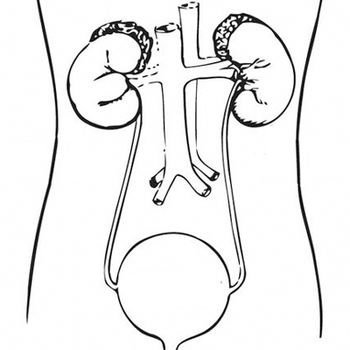
Since 2016, the FDA has approved 5 immune checkpoint inhibitors to treat urologic cancers. Although that is unquestionably a good thing for patients, the rise of these agents means that the role of the urologist in cancer care is changing, said Noah M. Hahn, MD, during the 2018 Large Urology Group Practice Association Annual Meeting.
Toni K. Choueiri, MD, discusses the current role of immunotherapy in the treatment of patients with renal cell carcinoma.

ASCO and SITC released a joint statement that outlines new recommendations for reporting data from immuno-oncology clinical trials.

Leisha A. Emens, MD, PhD, professor of medicine at the UPMC Cancer Center, discusses how the data from the IMpassion130 trial have demonstrated benefit for immunotherapy in metastatic triple-negative breast cancer.
In data presented at the 2018 ASH Annual Meeting, bispecific T-cell engager antibody constructs demonstrated encouraging activity in patients with multiple myeloma and acute myeloid leukemia.
Primary and acquired resistance to immunotherapy necessitates novel strategies that can overcome cellular processes and genetic mutations of resistance to advance into the next age of cancer therapy.

AstraZeneca has reported that the phase III EAGLE trial has missed its primary endpoint, as patients with recurrent or metastatic head and neck squamous cell carcinoma who progressed after platinum-based chemotherapy did not see a survival benefit with durvalumab alone or combined with tremelimumab.

Based on findings from the phase III IMpower133 study, a supplemental biologics license application (sBLA) for atezolizumab (Tecentriq) has been granted a priority review by the FDA for use in combination with carboplatin and etoposide for the frontline treatment of patients with extensive-stage small cell lung cancer.
According to results from a small clinical study, checkpoint inhibitors in combination with chimeric antigen receptor T-cell therapy showed promise for improving CAR T-cell persistance in some patients with relapsed B-cell acute lymphoblastic leukemia. <br />
In a study of transplant-eligible patients with newly diagnosed multiple myeloma, daratumumab added to bortezomib, lenalidomide, and dexamethasone induced at least a very good partial response in all patients, including a complete response in 63% of patients, at the end of consolidation therapy.<br />
Patients with acute lymphoblastic leukemia saw a reduction in the risk for recurrence after receiving a stem cell transplant for the first time following treatment with CD19 chimeric antigen receptor T-cell therapy.
According to a retrospective phase I/II study, over 80% of patients with relapsed or refractory chronic lymphocytic leukemia responded to concurrent treatment with ibrutinib and the CD19-targeted chimeric antigen receptor CAR T-cell therapy, JCAR014.<sup>1</sup> Findings from this study were presented at the 60th American Society of Hematology Annual Meeting.
Patients with metastatic renal and urothelial bladder cancer who receive antibiotics concomitantly with immune checkpoint inhibitors have shorter progression-free survival and overall survival rates than patients who do not, according to a poster presented at the European Congress on Immunotherapies in Cancer™ conference, hosted by Physicians’ Education Resource®, LLC, September 21 and 22, 2018, in Barcelona, Spain.