




IMMUNOTHERAPY
Latest News
Latest Videos




CME Content





























More News

Over the past decade, cancer regimens featuring CTLA-4 inhibitor monotherapy have largely been replaced by combination regimens pairing these agents with anti–PD-1/ PD-L1 antibodies.
Numerous classes of STING agonists are being evaluated for use, including novel cyclic dinucleotides, next-generation noncyclic dinucleotides, bacterial vectors, and ENPP1 inhibitors.

In recent years, the field of metastatic urothelial cancer has seen many new immunotherapy agents and targeted therapies that have improved patient outcomes.
Progress in the treatment of early-stage triple-negative breast cancer includes the now common use of neoadjuvant combinations of immunotherapy with chemotherapy.

In an interview with Lt Col Yovanni Casablanca, MD, discussed the incorporation of new treatments into the cervical cancer paradigm and provided insight into the necessity of inclusive research with novel therapies.

Advances in the field have also led to the recognition of other clinical challenges, including unforeseen observations and complications associated with choosing the sequencing of appropriate therapeutic interventions as well as the management of drug-related complications.

In an interview with Targeted Oncology™, Naomi B. Haas, MD, discussed how the research has pivoted toward exploring neoadjuvant treatment for patients with renal cell carcinoma.

Bradley J. Monk, MD, FACOG, FACS, discusses the use of immune checkpoint inhibitors to treat cervical cancer.

As part of the larger Resound trial, regorafenib met its primary endpoint in thymic cancer but no patient subset received greater benefits from the drug.
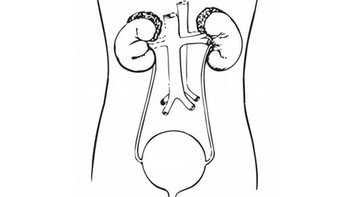
According to Ajjai S. Alva, MBBS, CDK12 is a cell cycle gene that has an important role in RNA polymerase 2 and immunotherapy activity.
Based on the case of a man with metastatic renal cell carcinoma, Brian Rini, MD, and peers discussed later-line immunotherapy and tyrosine kinase inhibitor combination therapies.
BNT111, an immunotherapy agent under investigation in a phase 2 study, has been granted fast track designation by the FDA.
Novel immuno-oncology agent, COM701 in combination with nivolumab and BMS-986207 may be safe for the treatment of patients with advanced solid tumors.
Phase 2 results presented during the SITC Annual Meeting show that adding intratumoral BO-112 to pembrolizumab in patients with advanced melanoma can induce durable responses.
The biopsy of a 88-year-man demonstrated infiltrative basal cell carcinoma. his case was the topic of discussion during a Case-Based Roundtable led by Nikhil I. Khushalani, MD.
Evorpacept Pairs Well With Anticancer Regimens Plus Chemotherapy to Elicit Responses in Solid Tumors
The novel checkpoint inhibitor, evorpacept induced responses in patients with head and neck squamous cell carcinoma and gastric cancer when used in combination with anticancer therapy and chemotherapy in a phase 1b study.
Immune checkpoint inhibitors an induce resistance through activation of additional immune checkpoints such as LAG-3. Research around LAG3 will be important for the future.
Even after more than a decade, the uses of immune checkpoint inhibitors continue to expand across both solid and hematologic malignancies, further adding to the excitement over immuno-oncology.
Developing modern strategies to predict and accurately monitor treatment response remains an important piece of the clinical management puzzle.
After success in malignant melanoma and non–small cell lung cancer, adjuvant treatments are demonstrating improvements in disease-free survival in other cancers, including renal cell carcinoma, esophageal/gastroesophageal cancer, and breast cancer.

According to David T. Teachey, MD, newly developed therapies have improved remission rates in T-ALL and B-ALL.
The phase 2 NOVA-II study has completed its part 1 analysis of OQL011 for the treatment of cancer therapy-induced skin toxicities.
Retrospective data show a low prevalence of esophagitis among immune checkpoint inhibitor-related adverse event in patient with cancer.
In an interview with Targeted Oncology, Rodney P. Rocconi, MD, FACOG, discussed the analysis of the homologous recombination proficient patients with advanced-stage ovarian cancer treated in the phase 2 VITAL study as well as a biomarker analysis.
In an interview with Targeted Oncology, Marc Ernstoff, MD, discussed the significance of the SITC clinical practice guideline for managing immune-related adverse events.