

IMMUNOTHERAPY
Latest News

November 29th 2018
By Jason Harris
Vedolizumab induced clinical, endoscopic, and histologic remission of steroid-refractory, immune-mediated enterocolitis in patients receiving immune checkpoint inhibitorsfor cancer treatment, according to the results of a small retrospective study presented at the 2018 American College of Gastroenterology Annual Meeting.
Latest Videos


CME Content





























More News
In an effort to determine best practices and ensure consistent clinical interpretation of tumor mutational burden assessment for patients with cancer, a group of diagnostic test partners conducted an in silico analysis and found that panel-derived TMB strongly correlated with whole-exome sequencing data provided from The Cancer Genome Atlas.
Personalized immunotherapy regimens for patients with cancer is a long-term goal of the immuno-oncology field, yet progress toward this goal necessitates the discovery of an effective biomarker for guiding treatment decision making, according to Jason Luke, MD.

According to first-in-human findings reported in a poster presentation during the ESMO Annual Congress, genetically engineered T-cells targeting melanoma-associated antigen-A4 appeared safe and demonstrated some evidence of antitumor activity.

Tepotinib Plus Gefitinib Demonstrates PFS Improvement Versus Chemotherapy in MET+ EGFR-Mutant NSCLC
By
Both progression-free survival and overall response were improved in patients with <em>MET</em> mutated <em>EGFR</em>-positive non–small cell lung cancer resistant to prior EGFR TKI therapy who were treated with tepotinib plus gefitinib compared with chemotherapy. These phase II findings were presented at the 2018 ESMO Congress.
Results from the phase III IMpower130 trial demonstrated a statistically significant improvement in both progression-free survival and overall survival with a triplet regimen of atezolizumab, carboplatin, and nab-paclitaxel compared with chemotherapy alone in patients with previously untreated stage IV nonsquamous non–small cell lung cancer.

Three months have been added on by the FDA to the review period for the supplemental biologics license application for the frontline treatment combination of nivolumab plus low-dose ipilimumab for patients with advanced non–small cell lung cancer with tumor mutational burden ≥10 mutations per megabase.
The combination of atezolizumab and nab-paclitaxel demonstrated a 2.5-month benefit in progression-free survival over nab-paclitaxel alone in patients with PD-L1–positive metastatic triple-negative breast cancer, according to findings of the phase III IMpassion130 trial presented at the 2018 ESMO Congress.
Brian Rini, MD, professor of medicine, Cleveland Clinic, discusses subgroup findings from the IMmotion151 trial in metastatic renal cell carcinoma.
Investigators have long known that the combination of antiangiogenic agents and immunotherapy could enhance antitumor response and improve outcomes for patients with certain cancers. But recently, this old idea has become the focus of new research in diseases such as hepatocellular carcinoma, urothelial carcinoma, and endothelial cancer.
The role of tumor-infiltrating lymphocytes (TILs) is expanding in cancer care, necessitating a more involved role for pathologists to quantify immune infiltrates, K.P. Siziopikou, MD, PhD, suggested during a presentation at the 2018 Lynn Sage Breast Cancer Symposium.
Justin F. Gainor, MD, assistant professor of medicine, Harvard Medical School, Massachusetts General Hospital, discusses the treatment landscape of oncogenic driver-positive NSCLC.
Alexander Drilon, MD, clinical director of Early Drug Development Service at Memorial Sloan Kettering Cancer Center, discusses the evolving role of immune-checkpoint blockade in NSCLC.
Lung and bronchus cancer are the leading causes of cancer-related deaths in the United States and will be responsible for an estimated 154,050 American deaths in 2018. An estimated 234,030 new cases of lung and bronchus cancer will be diagnosed in 2018, which represents 13.5% of all new cancer diagnoses in the United States.
In a roundtable discussion at the 2018 International Cancer Immunotherapy Conference, Nobel Prize Winner James P. Allison, MD, and other experts discussed the research that is still necessary to bring immunotherapy response rates to 100%.
Durvalumab (Imfinzi) demonstrated an improvement in overall survival compared with placebo in patients with stage III, unresectable non–small cell lung cancer who have not progressed following chemoradiotherapy, according to updated findings from the PACIFIC trial recently presented at the 19th World Conference on Lung Cancer and simultaneously published in the <em>New England Journal of Medicine</em>.

The first patient has been dosed in the phase III FIGHT trial investigating bemarituzumab (FPA144) combined with chemotherapy in patients with previously untreated advanced gastric or gastroesophageal junction cancer, according to Five Prime Therapeutics, the developer of the isoform-selective FGF receptor 2b antibody.
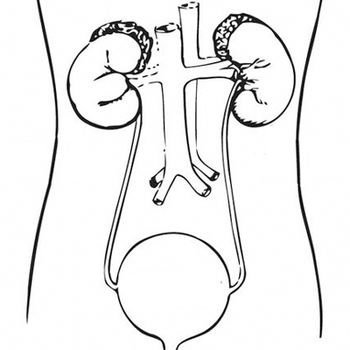
Peter O’Donnell, MD, discusses the integration of immunotherapy in the treatment paradigm of advanced bladder cancer and its potential role as combination therapy.
Hassane M. Zarour, MD, discusses the addition of antibiotics to immunotherapy treatment in patients with melanoma.
Immune checkpoint inhibitor-related toxic events led to deaths in 0.3% to 1.3% of patients, a rate that compares favorably with other treatment modalities, according to results from a retrospective analysis of data collected in Vigilyze, the World Health Organization’s pharmacovigilance database.
Bruno Sangro, MD, discusses the current landscape for systemic therapies, new directions with immunotherapy, and the need for greater research into combination therapies for HCC.
James P. Allison, PhD, and Tasuku Honjo, MD, PhD, have been awarded the 2018 Nobel Prize in Physiology or Medicine for their pioneering research that led to the use of immune checkpoint inhibitors in the treatment of cancer. The award was announced in a statement from the Nobel Assembly at Karolinska Institutet on Monday.
Jeffrey S. Weber, MD, PhD, discusses the promise of nivolumab in patients with high-risk resected stage III/IV melanoma and gives a general overview of the melanoma treatment landscape.
Enhanced clinical benefit may be derived from the combination of entinostat and pembrolizumab (Keytruda) in a subgroup of patients with PD-1/PD-L1–refractory non–small cell lung cancer who have high levels of peripheral blood monocytes, ongoing analyses suggest.
Matthew Powell, MD, discusses the promise of immunotherapy in ovarian cancer, despite its challenges.
The FDA now requires use of an approved companion diagnostic test to determine PD-L1 levels in the tumor tissue of cisplatin-ineligible patients with locally advanced or metastatic urothelial cancer prescribed treatment with pembrolizumab (Keytruda) or atezolizumab (Tecentriq).