
IMMUNOTHERAPY
Latest News
Latest Videos



CME Content





























More News

The emerging arena of checkpoint inhibitors and immunotherapy in the treatment of urothelial carcinomas is explored and discussed.

Hyperprogressive disease (HPD) after immunotherapy treatment may not be as rare of a phenomenon as previously thought. A recent multicenter, retrospective analysis of 242 patients with advanced non–small cell lung cancer (NSCLC) found that 16% of patients developed hyperprogression during anti–PD-1/ PD-L1 treatment.<sup>1</sup> The study, which was presented at the 2017 ESMO Annual Congress, is one of the latest to highlight the risk of hyperprogression.
The overwhelming majority of patients with cancer who appear to progress after they begin immunotherapy will never respond. They will continue to progress, just as quickly as they would with no treatment and just as predicted by the Response Evaluation Criteria in Standard Tumors (RECIST) criteria that have long guided most trial evaluations and many treatment decisions.
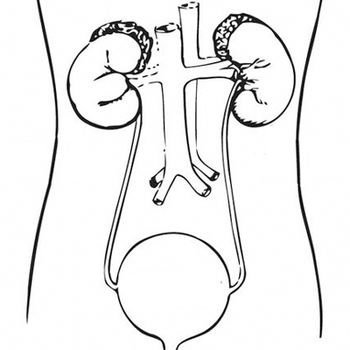
An extension in overall survival (OS) with the combination of nivolumab (Opdivo) and ipilimumab (Yervoy) has completely changed the standard of care for patients with metastatic renal cell carcinoma (mRCC), Thomas Powles, MD, MBBS, MRCP, told audience members during the 9th European Multidisciplinary Meeting on Urological Cancers.<br />
Eli Lilly and Company has announced that Kimberly L. Blackwell, MD, a pioneer in breast cancer research, will serve as its vice president of early phase development and immuno-oncology. She will begin her new role on March 12, 2018.<br />
Chimeric antigen receptor T-cell therapy with bb2121 demonstrated an objective response rate of 94% in patients with relapsed/refractory multiple myeloma, according to findings from a dose-escalation study. The senior study author, James N. Kochenderfer, MD, presented updated findings from the study during the 2017 ASH Annual Meeting, and commented that 89% of patients had a very good partial response or better, and 56% of patients had a complete remission. <br />
The combination of brentuximab vedotin (Adcetris) and nivolumab (Opdivo) demonstrated promising clinical activity in patients with relapsed/refractory Hodgkin lymphoma, according to results from a phase I/II trial presented at the 2017 ASH Annual Meeting.

Pembrolizumab (Keytruda) has received a priority review from the FDA for a supplemental biologics license application (sBLA) for the treatment of adult and pediatric patients with relapsed/refractory primary mediastinal large B-cell lymphoma (PMBCL), according to a press release from Merck, the manufacturer of pembrolizumab. The findings were first presented at the 14th International Conference on Malignant Lymphoma and updated data were recently presented at the 2017 ASH Annual Meeting.
Updated results from the TRANSCEND study demonstrated that liso-cel (lisocabtagene maraleucel), formally known as JCAR017, induced an 81% objective response rate and a 63% complete remission rate in patients with relapsed/refractory diffuse large B-cell lymphoma.
In results from the phase Ib/II PANACEA trial presented at the 2017 San Antonio Breast Cancer Symposium (SABCS), the combination of pembrolizumab (Keytruda) and trastuzumab (Herceptin) achieved an objective response rate (ORR) of 15.2% in patients with trastuzumab-resistant, PD-L1–positive, HER2-positive breast cancer.
The objective response rate with neoadjuvant nivolumab (Opdivo) plus ipilimumab (Yervoy) was almost tripled compared with nivolumab alone in patients with high-risk resectable melanoma, according to preliminary findings from a phase II study presented during the 32nd SITC Annual Meeting.
Four researchers from the Dana-Farber Cancer Institute are joining the Parker Institute for Cancer Immunotherapy as a result of a collaboration between the 2 institutions: W. Nick Haining, BCh, BM; Catherine Wu, MD; Philip Kranzusch, PhD; and F. Stephen Hodi, Jr., MD.

The treatment armamentarium of neuroendocrine tumors (NETs) is expanding to potentially include novel systemic therapies, a refined understanding of genetic changes in patients with pancreatic NETs, and improvements in surgical timing and quality of life (QoL), according to Diane Reidy Lagunes, MD.
In a small phase I study, engineered tumor-infiltrating lymphocytes demonstrated signs of antitumor activity in patients with metastatic melanoma following treatment with a prior checkpoint inhibitor. Results of the pilot study of TILs that were engineered to express transforming growth factor-β dominant negative receptor and nerve growth factor receptor were presented during the 2017 World Congress of Melanoma.
Howard L. Kaufman, MD, FACS, has been appointed chief medical officer of Replimune Group Inc, a developer of oncolytic immunotherapies for the treatment of cancer. Kaufman has 25 years of leadership in academic oncology and is recognized as one of the leading physician scientists in the oncolytic immunotherapy field.

Nivolumab (Opdivo) was given an accelerated approval by the FDA for the treatment of patients with hepatocellular carcinoma following prior treatment with sorafenib (Nexavar). The approval was granted for patients regardless of their PD-L1 status.
Median overall survival findings from treatment with pembrolizumab (Keytruda) were significantly longer compared with chemotherapy in patients with recurrent, advanced urothelial carcinoma, according to mature results from the phase III KEYNOTE-045 study.
Prospects for patients with non-small cell lung cancer have improved with the identification of actionable mutations and the development of targeted agents; however, patients without actionable mutations do not experience improved outcomes with these targeted therapies.
Supplemental Biologics License Applications (sBLAs) were sent to and accepted by the FDA for a new dosing schedule for nivolumab (Opdivo) across all of the agent's indications as a montherapy, according to Bristol-Myers Squibb (BMS), the manufacturer of the PD-1 inhibitor.

Checkpoint inhibitors against PD-1 and PD-L1 have demonstrated promising efficacy as monotherapies and in combination with chemotherapy for patients with triple-negative breast cancer, with phase III data on the horizon
As a first step toward developing quantitative models, investigators recently developed a mathematical framework to simulate the systemic dissemination of T cells activated in response to focal therapy.
Adding the PD-1 inhibitor pembrolizumab (Keytruda) to standard neoadjuvant chemotherapy tripled the pathologic complete response (pCR) rate in multiple subtypes of HER2-negative breast cancer, according to results from the ongoing phase II I-SPY-2 clinical research program presented during the 2017 ASCO Annual Meeting.

More than 40% of patients with melanoma brain metastases achieved objective intracranial responses to combination treatment with nivolumab (Opdivo) and ipilimumab (Yervoy), results of a randomized phase II trial showed.
Treatment with chimeric antigen receptor (CAR) T cells that target B-cell maturation protein (BMCA) achieved clinical remissions in 33 out of 35 patients (94%) with relapsed or refractory multiple myeloma in early results from a Chinese study presented at the 2017 ASCO Annual Meeting.
When epacadostat, an IDO1 inhibitor, was combined with pembrolizumab (Keytruda), a PD-1 inhibitor, responses were seen in 35% of patients with advanced urothelial carcinoma, according to findings presented during the 2017 ASCO Annual Meeting.