



IMMUNOTHERAPY
Latest News
Latest Videos







CME Content





























More News

Over the past several years, the FDA approval of several novel agents has revolutionized the treatment of patients with metastatic castration-resistant prostate cancer.

The FDA has approved the PD-1 inhibitor pembrolizumab as a second-line therapy for patients with recurrent or metastatic head and neck squamous cell carcinoma for those who have progression on a platinum chemotherapy.

Blinatumomab almost doubles the overall survival of patients with relapsed/refractory acute lymphoblastic leukemia, according to Max Topp, MD.

A recent phase II trial examining nivolumab (Opdivo) in patients with anal cancer seeks to explore the biological makeup, and uncover potential biomarkers in anal cancer.

Although immunotherapies, such as nivolumab (Opdivo) and pembrolizumab (Keytruda), have generated great excitement in the field of squamous non-small cell lung cancer, a number of targeted agents are also gaining recognition.

There have been limited successes made in immunotherapy in the treatment of patients with prostate cancer so far, but progress is being made, explains Akash Patnaik, MD, PhD, an assistant professor of Medicine at the University of Chicago Medicine.
In 2012, the Society for Immunotherapy of Cancer convened a worldwide consortium to validate the Immunoscore as a standardized assay for use in routine clinical settings.
Pembrolizumab (Keytruda) is associated with an exceptional overall response rate (ORR) in patients with relapsed/refractory Hodgkin lymphoma.
The FDA has agreed to review nivolumab under an accelerated timeframe for its potential as a treatment for patients with previously treated metastatic or recurrent squamous cell carcinoma of the head and neck.

The FDA has granted nivolumab a breakthrough therapy designation for the treatment of patients with resectable locally advanced or metastatic urothelial carcinoma after the failure of a platinum-containing regimen.
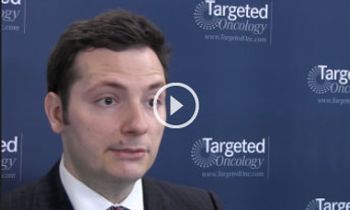
Mark Ball, MD, chief urology resident, Johns Hopkins University School of Medicine, discusses the clinical, pathological, and genomic profiles of exceptional responders to anti-PD-1 therapy in renal cell carcinoma.

After just returning from the 2016 American Society of Clinical Oncology meeting in Chicago, it was clear that there is a palpable excitement over recent progress in cancer research and therapeutic drug development.

An immunotherapy/antiangiogenesis combination proved to be safe and tolerable for patients with recurrent glioblastoma.

Breast cancer has traditionally not been viewed as immunogenic. There is now a growing body of evidence that immune infiltration has a prognostic role in al breast cancer subtypes, and predicts improved clinical outcome in triple-negative and human epidermal growth factor receptor 2-positive tumors.

The word "marker" is defined, in medical terms, as "something that serves to identify, predict, or characterize." A variation on this word, known as a biological marker, or biomarker (defined as a measurable indicator of a biological condition) takes this concept one step further.

Norman E. Sharpless, MD, professor of Medicine and Genetics, chair, the University of North Carolina (UNC) Lineberger Comprehensive Cancer Center, UNC School of Medicine, discusses the significance of the ipilimumab/nivolumab findings from the CheckMate-069 trial for melanoma.
Two recent clinical trials have demonstrated intriguing findings for new combination regimens for patients with microsatellite stable or instable metastatic colorectal cancer.
A study of nivolumab (Opdivo) in patients with squamous cell carcinoma of the anal canal (SCCA), which recently presented findings at the 2016 World Congress on Gastrointestinal (GI) Cancer, is the first prospective trial to examine immunotherapy agents in the treatment of SCCA.
Advances in the treatment of cancer have been possible due to the use of agents that target genomic mutations involving oncogenic signaling and immune regulatory pathways. These advances have resulted in major paradigm shifts in our clinical approach to the patient with metastatic cancer.
While PD-L1 has been perceived as an important biomarker in the realm of lung cancer, Keith Kerr, BSc, MB, ChB, FRCPath, FRCPE, says it still has a long way to go.

Given the lack of treatment options for patients with recurrent/metastatic head and neck squamous cell carcinoma, the need for novel therapies is dire.
Hossein Borghaei, DO, chief, Thoracic Oncology, director, Lung Cancer Risk Assessment, associate professor in the Department of Hematology/Oncology, Fox Chase Cancer Center, discusses the ideal patient population that can potentially benefit from the use of nivolumab in the treatment of non-small cell lung cancer.

Unlike traditional diagnostics that measure the presence, absence, or altered levels of a single analyte, immuno-oncology diagnostics seek to coalesce large amounts of immunological and tumor information into "signatures" that can be used to guide patient care.
Immunotherapy for cancer has been studied in the laboratory and in early-phase trials for decades. Larger trials were not often successful enough, though in the last five years, a revolution has centered around the clinical success of checkpoint blockade with CTLA-4 and PD-1 antibodies.