



IMMUNOTHERAPY
Latest News
Latest Videos







CME Content





























More News






Findings, presented at the 2018 AACR Annual Meeting, demonstrated that an off-the-shelf, dual-targeted chimeric antigen receptor (CAR) T-cell approach found positive results in preclinical specificity, functionality, and efficacy studies.
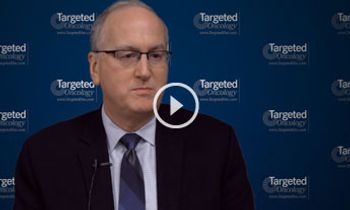
David M. Nanus, MD, chief of the Division of Hematology and Medical Oncology at Weill Cornell Medicine, discusses the use of immunotherapy in the community setting. He also gives advice to community oncologists that are using these treatments in their practice. <br />

<strong>IN THIS ISSUE OF </strong><em>The Journal of Targeted Therapies in Cancer</em>™, 2 articles in particular impressed me as reflective of the evolution and development of therapeutic possibilities for patients with recurrent and metastatic epithelial cancers. Although the 2 may initially seem to have distinct focuses, it is now becoming apparent that combinatorial strategies harnessing conventional modalities such as radiation therapy and immune stimulatory approaches may have additional value for this population of patients.
It is truly an exciting time in cancer research and drug development and it’s a privilege to be able to join Targeted Therapies in Oncology™ and assist an outstanding team of editors and writers to disseminate the most up-to-date, timely and clinically relevant information in this fast-paced era.
According to study findings presented during the 49th Society of Gynecologic Oncology (SGO) Annual Meeting on Women’s Cancers held in New Orleans March 24-27, clinical benefit has been found for women with recurrent ovarian cancer when using immune checkpoint inhibitors, but there was a higher rate of adverse events (AEs) than previously reported in other tumor types.

Although immuno-oncology is increasingly gaining strength within the community setting, familiarity with ever-changing indications, and patient and nonspecialist education are persistent issues for community oncology providers. These are a few of the many barriers currently standing in the way, based on interviews, focus groups, and surveys from 2017.