
The addition of chemotherapy, either adjuvant or induction, to concomitant chemoradiotherapy (CRT) achieved a significantly high survival benefit for patients with locally advanced nasopharyngeal carcinoma.
The addition of chemotherapy, either adjuvant or induction, to concomitant chemoradiotherapy (CRT) achieved a significantly high survival benefit for patients with locally advanced nasopharyngeal carcinoma.

Michael F. Press, MD, PhD, discusses the new ASCO-CAP guidelines for HER2 FISH testing.
Matthew E. Spector, MD, discusses a new biomarker study which found that patients whose oropharyngeal cancer recurred had higher levels of antibodies for 2 proteins, E6 and E7, which are found in HPV-driven cancers.
The number of futile laparotomies was reduced with diagnostic laparoscopy in patients with suspected advanced-stage ovarian cancer, according to the results of a recent study.
Patients with endometrial cancer who receive surgery in the first 2 weeks after diagnosis have worse survival outcomes, according to a recent study.
John A. Martignetti, MD, PhD, discusses The Cancer Genome Atlas' comprehensive, genomics-based analysis of the endometrial cancer.
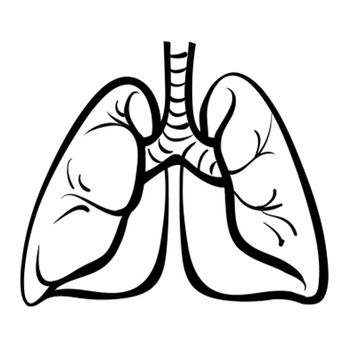
Rovalpituzumab tesirine, a DLL3-targeted antibody-drug conjugate, demonstrated encouraging single-agent antitumor activity with a manageable safety profile in the treatment of patients with recurrent small cell lung cancer.
Intentional weight loss in postmenopausal women is associated with a lower endometrial cancer risk, particularly among those with obesity, according to the results of a recent study published in the <em>Journal of Clinical Oncology</em>.<br />
There is a significantly large racial disparity in hysterectomy-corrected cervical cancer mortality rates in the United States, according to a recent study published in <em>Cancer.</em>
Robert Dreicer, MD, discusses ongoing developments in mCRPC, including the latest approaches with radium-223.

A prostate-specific antigen nadir greater than 0.5 ng/mL following radiation and androgen deprivation therapy seems to identify men prior to PSA failure who are at high-risk for death, and would thus require more aggressive treatment for their prostate cancer.
Tudor Borza, MD, discusses the major findings of his study that found a sharp decline in the overall rate of men receiving treatment for prostate cancer and his stance on the importance of prostate cancer screening and treatment.
The University of Texas MD Anderson Cancer Center has united with the 68 other National Cancer Institute–designated cancer centers in issuing a joint statement that endorses the recently revised vaccination recommendations from the CDC.
Carolyn E. Banister, MD, highlights the major findings of her study that discovered a new subtype of cervical cancer and the significant therapeutic implications that will follow.
A watch-and-wait approach is emerging as a potential treatment strategy for patients with rectal cancer, according to the results of real-world data from a large observational study .

Roy Herbst, MD, PhD, discusses the next steps with pembrolizumab in non-small cell lung cancer following its FDA approval, including combination regimens.
The results of a recent randomized study showed anti-HER2 DC1 vaccination to be a safe and immunogenic treatment to induce tumor-specific T-cell responses in patients with HER2-positive breast cancer.
Novel immunotherapy agents continue to move through the pipeline in the treatment landscape of bladder cancer, and they show no signs of slowing down.
Osimertinib (Tagrisso) reduced the risk of disease progression by 70% compared with a chemotherapy doublet in patients with EGFR T790M-mutant non–small cell lung cancer (NSCLC) who progressed after first-line targeted therapy, according to phase III clinical trial results.
Biomarkers play a key role in the optimization of treatments for patients with prostate cancer. Mark Stein, MD, says that they can even serve as clinical endpoints in trials.
Significant progress is being made in the treatment of gynecologic malignancies, especially in ovarian cancer, according to Douglas A. Levine, MD.
According to updated study findings, pembrolizumab (Keytruda) reduced the size of tumors in patients with a subtype of soft tissue sarcoma.

Though surgical resection and radiation therapy remain at the forefront of the treatment for localized disease, accurately predicting outcomes for individual patients remains a challenge, which radiomics, an emerging research field, hopes to alleviate.
Updated results of the multicenter phase II study SARC028 demonstrate both a favorable safety profile as well as encouraging efficacy for the use pembrolizumab (Keytruda) as a treatment for patients with advanced sarcomas.
<br /> Local recurrence is associated with very poor prognosis in patients with Ewing sarcoma. Researchers are seeking to identify the factors associated with local recurrence in patients undergoing multimodal treatment.
Alessandro Gronchi, MD, discusses the impact of olaratumab and other emerging agents for the treatment of sarcoma, as well as what to expect at this year’s CTOS meeting.
A subgroup analysis from a phase III, open-label, randomized study showed that eribulin (Halaven) had comparable activity to dacarbazine (DTIC) in patients with leiomyosarcoma.
Though some clinicians may characterize the treatment landscape of HER2-positive breast cancer as overcrowded, Mark Pegram, MD, firmly believes that there is still much to learn in this space.
First-line pembrolizumab demonstrated significant antitumor activity in cisplatin-ineligible patients with metastatic urothelial cancer.
Frontline pembrolizumab was superior to ipilimumab in the treatment of patients with advanced melanoma, a final analysis of the OS data from the KEYNOTE-006 trial showed.

September 28th 2016

October 4th 2016