
Bladder Cancer
Latest News
Latest Videos




CME Content

























More News


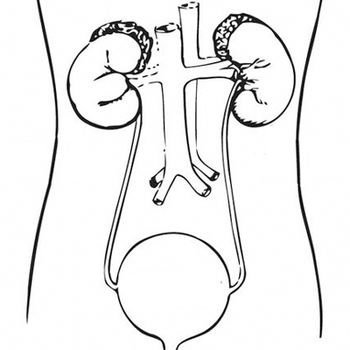
The development of an immune-related adverse event was associated with improved patient response in an FDA analysis of patients with advanced urothelial cancer treated with a PD-1/PD-L1 inhibitor.

Significant activity was observed when ibrutinib was administered concurrently with CD19-directed CAR T-cell therapy compared with separately in patients with high-risk relapsed/refractory chronic lymphocytic leukemia who had progressed on or were intolerant of ibrutinib. Data presented at the 15th International Conference on Malignant Lymphoma show a high response rate with this concurrent treatment.







General Cancer

The American Cancer Society, Dana-Farber Cancer Institute, Baptist Cancer Center, and the Mayo Clinic report that treatment patterns varied markedly by cancer type and care facility setting for patients with de novo metastatic disease who died within 1 month after diagnosis, based on an analysis of data from 100,848 patients collected from the National Cancer Database, a hospital-based cancer registry that captures 70% of patients in the United States with a new diagnosis.

By testing circulating tumor DNA at critical time points throughout neoadjuvant chemotherapy and cystectomy, clinicians may be able to better predict which patients with advanced bladder cancer would likely benefit from additional systemic therapies, according to results of a study published in the <em>Journal of Clinical Oncology</em>.
The FDA recently released 5 new draft guidance documents that promote broader patient eligibility for cancer clinical trials. The policies encourage inclusion of certain individuals who were previously disqualified due to medical conditions or biological factors, including brain metastases, organ dysfunction, prior or concurrent malignancies, chronic infections, and age.
A cohort of cancer centers was selected to serve as models for identifying key strategies for racial and ethnic minority group engagement in clinical trials. On the basis of several qualifying criteria, such as sustained accrual of minorities into clinical cancer research, an established minority population ≥10% in the overall catchment, an established clinical trial infrastructure, and a formal community outreach program, the investigators identified 8 cancer centers for participation.
In a case-based-style discussion, Tanios S. Bekaii-Saab, MD, and Wells Messersmith, MD, reviewed the treatment of patients with colorectal cancer whose tumors express rare gene mutations or molecular signatures, such as <em>NTRK</em> fusions.
In an interview with <em>Targeted Oncology</em>, Paul L. Crispen, MD, discussed several ongoing trials for patients with bladder cancer focused on the importance of bladder preservation. He also highlighted a clinical trial currently enrolling at the University of Florida Health for patients with upper tract disease.
The recent approval of erdafitinib has significant implications for the field, says Arjun V. Balar, MD. It marks the most recent in a string of FDA approvals in urothelial carcinoma after nearly 3 decades of little to no advancement but is, importantly, the first targeted therapy in UC, which should open the door for more biomarker-driven drug discovery.

According to data from the phase II EV-201 study presented at the 2019 ASCO Annual Meeting, 44% of patients with locally advanced or metastatic urothelial cancer achieved responses with enfortumab vedotin. This includes 12% of patients reached a complete response to treatment. Median overall survival time for patients was 11.7 months.
Arjun V. Balar, MD, highlights the KEYNOTE-057 study findings and provides insight into the role of immunotherapy in bladder cancer.

The FDA has granted P-BCMA-101 with an orphan drug designation for the treatment of patients with relapsed and/or refractory multiple myeloma.