


Bladder Cancer
Latest News
Latest Videos


CME Content

























More News

Groundbreaking developments in cancer therapies can change lives, extending survival and sending patients who previously thought their chances were slim into remission. But these therapies come at a cost, and many patients reel at the prospect of heavy financial burdens. To help patients and programs meet the challenges of affording cancer treatments, community cancer centers are expanding the role of financial advocates in their organizations.

Larotrectinib induced an objective response rate of 80% in patients with advanced solid tumors who harbored <em>NTRK </em>gene fusions, according to results pooled from 3 small trials of the TRK inhibitor. Results were presented during the 2018 ESMO Congress.

Rising prescription drug prices continue to add to the burden of paying for quality healthcare. In an effort to confront such costs, the Centers for Medicare & Medicaid Services has rescinded a prohibition on step therapy for Medicare Advantage plans. But some contend such a policy will reduce patient access to optimal medication.
A look back at all the FDA news that happened in the month of September 2018, including several new approvals, priority reviews, a breakthrough therapy designation, and more, in a variety of cancer types.
The FDA has received a new drug application for erdafitinib as a treatment for patients with locally advanced or metastatic urothelial carcinoma and <em>FGFR</em> genetic alterations whose tumors progressed following chemotherapy, Janssen, the manufacturer of the oral pan-FGFR tyrosine kinase inhibitor, has announced.
In this letter from the editor, Targeted Therapies in Oncology Editor-in-Chief, Arjun V. Balar, MD, reflects on patient advocacy and those that support patients with cancer.
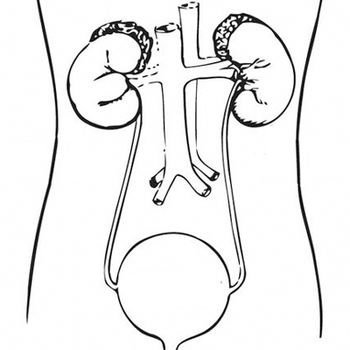
Until recently, therapeutic options for the management of advanced urothelial cancers have been limited to traditional cytotoxic agents with modest efficacy. However, the brisk pace of recent discovery in the field of immunotherapy and molecular therapeutics has ushered in a new era for management of patients with urothelial carcinoma.





The FDA has added PD-L1 status to the labels for pembrolizumab (Keytruda) and atezolizumab (Tecentriq) for existing frontline approvals for platinum-ineligible patients with urothelial carcinoma. The addition was made based on lower overall survival rates with the PD-1/PD-L1 inhibitors compared with platinum-based chemotherapy for patients with PD-L1–low expressing platinum-eligible urothelial carcinoma.

Arlene O. Siefker-Radtke, MD, professor of genitourinary medical oncology at MD Anderson Cancer Center, discusses the results presented at the 2018 ASCO Annual Meeting from a phase II cohort investigating erdafitinib in previously treated patients with urothelial cancer. Erdafitinib is a fibroblast growth factor receptor (FGFR) inhibitor that targets FGFR 1 through 4 and has previously shown promising activity.

According to a phase II study, over 40% of patients with metastatic or unresectable urothelial carcinoma responded to treatment with the investigational fibroblast growth factor receptor (FGFR) inhibitor erdafitinib. Findings from this study were presented at the 2018 ASCO Annual Meeting.