



Bladder Cancer
Latest News
Latest Videos








CME Content

























More News










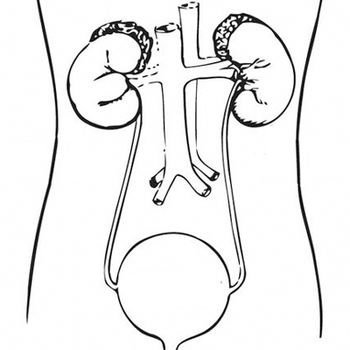
Cisplatin-based neoadjuvant chemotherapy followed by radical cystectomy has been the standard of care in muscle-invasive bladder cancer for almost 2 decades. However, the rates of NAC utilization remain low and many patients are ineligible to receive cisplatin due to diminished renal function or other factors. Additionally, there are no reliable biomarkers routinely used in clinical practice that identify patients most likely to benefit from NAC, and limited prospective comparisons of the NAC regimens.
According to results from the phase III POUT trial, adjuvant platinum-based chemotherapy improved disease-free survival and metastasis-free survival in patients with upper tract urothelial carcinoma. These results indicated that adjuvant platinum-based chemotherapy could be a new standard of care for UTUC, investigators said.
Ani S. Balmanoukian, MD, discusses immunotherapy developments in GU malignancies





Based on the phase II study BLC2001, erdafitinib has been granted a breakthrough therapy designation by the FDA for the treatment of metastatic urothelial carcinoma, according to Janssen, the manufacturer of the oral pan-FGFR tyrosine kinase inhibitor.
<em>Targeted Therapies in Oncology</em>, an oncology resource that provides oncology professionals with cutting-edge research, data, and treatment strategies surrounding molecular and immune system targets, welcomes Arjun V. Balar, MD, as its editor-in-chief.