Bladder Cancer
Latest News
Latest Videos






CME Content

























More News

Despite their promise, checkpoint inhibitors are not effective in every patient, and research suggests the STING (stimulator of interferon genes) pathway may hold important clues as to why some tumors fail to respond.

Growth in healthcare spending in the United States continues to outpace growth in European countries that enjoy a similar standard of living.

The antiangiogenic agent pazopanib combined with paclitaxel showed significant antitumor activity in a phase II study of patients with relapsed/refractory urothelial cancer.

Bishoy Faltas, MD, clinical fellow, Weill Cornell Medical College, discusses clonal heterogeneity in platinum-resistant metastatic urothelial cancer.

Representatives Diana DeGette (D, Colorado) and Fred Upton (R, Michigan) recently released a "discussion draft" of the 21st Century Cures Act.
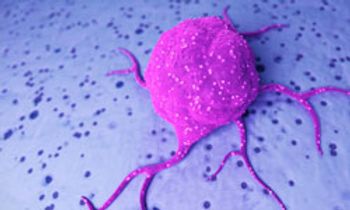
Metastatic disease accounts for the vast majority of cancer-related deaths. Ensuring a definitive diagnosis and the most effective treatment in a timely fashion is essential for extending life expectancy.

Amgen and Kite Pharma have announced that they will collaborate on the development of novel CAR T-cell immunotherapies, with Amgen providing cancer targets and Kite offering its engineered autologous cell therapy platform.

The anti-CD19 chimeric antigen receptor (CAR)-modified T-cell therapy CTL019 demonstrated a 92% complete response (CR) rate in pediatric patients with relapsed/refractory acute lymphoblastic leukemia (ALL).
As its CAR T cell and high-affinity TCR products continue to advance in clinical trials, Juno Therapeutics, Inc, filed a registration statement for an initial public offering (IPO) of its common stock on November 17.

Recent news stories profiling a cancer patient whose last hope rests on treatment by injections of the virus that causes AIDS may have created some misconceptions regarding a new cancer immunotherapy.
Elizabeth Plimack, MD, MS, director, Genitourinary Clinical Research, Fox Chase Cancer Center, discusses a phase Ib study of pembrolizumab for the treatment of patients with bladder cancer.

The development of new immunotherapies for cancer treatment generated significant interest at the 2014 ASCO Annual Meeting, particularly checkpoint inhibitors targeting the PD-1 receptor and its ligand, PD-L1.

Moben Mirza, MD, assistant professor of urology at the University of Kansas Medical Center, discusses a study that examines the impact of physical activity, obesity, and smoking on bladder cancer mortality.

The investigational CD19-targeted chimeric antigen receptor (CAR) therapy CTL019 has received a breakthrough therapy designation from the FDA as a potential treatment for pediatric and adult patients with relapsed/refractory acute lymphoblastic leukemia (ALL).

Nicholas J. Vogelzang, MD, member of the US Oncology Network, site research leader for Comprehensive Cancer Centers of Nevada, discusses the results of a phase I study that examined the utilization of the anti-PD-L1 antibody MPDL3280A as treatment for patients with metastatic bladder cancer.

The FDA has approved the radioactive diagnostic imaging agent Lymphoseek injection to guide sentinel lymph node biopsy in patients with cancer of the head and neck.

MPDL3280A received the first Breakthrough Therapy Designation from the FDA for bladder cancer, according to information released May 31, 2014 at the 50th Annual Meeting of ASCO.
Ghassan K. Abou-Alfa, MD, Gastrointestinal Oncology Service, Memorial Sloan Kettering Cancer Center, discusses a retrospective study to determine the prognostic value of C-reactive protein (CRP) levels in patients with hepatocellular carcinoma (HCC) who are undergoing treatment with sorafenib.

An exceptional responder with advanced urothelial carcinoma experienced a complete radiologic response lasting 13.8 months following treatment with the combination of everolimus (Afinitor) and pazopanib (Votrient).

A wide-ranging analysis of more than 5500 breast cancer tumors that combined genomic and protein expression testing has identified promising targets to explore for treating patients with poor prognoses, with particularly notable findings involving androgen receptor (AR) expression.
Arjun Balar, MD, assistant professor of medicine, Division of Hematology & Oncology, New York University Cancer Institute, NYU Langone Medical Center, discusses the future of bladder cancer.
Matthew D. Galsky, MD, discusses targeted therapy treatments for bladder cancer.
Matthew D. Galsky, MD, discusses the potential role of ipilimumab for the treatment of advanced bladder cancer.
Julie R. Brahmer, MD, from Johns Hopkins University School of Medicine, Sidney Kimmel Comprehensive Cancer Center, discusses the outlook for immunotherapies in cancer care.

Over the past two decades, there has been a shift away from indiscriminate cell-killing by anticancer agents toward the development of more specific drugs that target key aspects of cancer cell biology.