

Bladder Cancer
Latest News

Annual Hematology Meeting Cochair Encourages Embracing of CAR T-Cell Therapy
By Lisa Astor
Latest Videos





CME Content

























More News

To improve the efficacy of chimeric antigen receptor T-cell therapies, Nirali N. Shah, MD, MHSc, suggested including new constructs that target more than 1 antigen in patients with acute lymphoblastic leukemia, during a presentation at the 2019 SOHO Annual Meeting.<br />
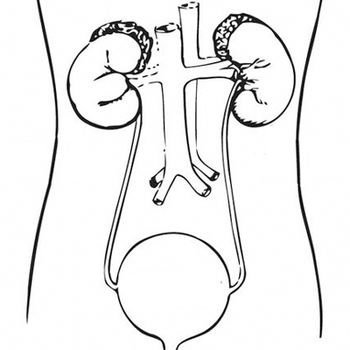
Cristina Magi-Galluzzi, MD, PhD, discussed the role of pathologists in the diagnosis and treatment decision for patients with prostate, bladder, and renal cancers.

In an interview with Targeted Oncology, Sattva S. Neelapu, MD, discussed the evolving role for CAR T-cell therapy in patients with B-cell lymphomas. He also highlighted the toxicities commonly associated with these therapies and how physicians can treat these AEs as they arise.
In an interview with <em>Targeted Oncology</em>, Shilpa Gupta, MD, discussed the results of the phase I/Ib trial of enzalutamide and gemcitabine and cisplatin in metastatic bladder cancer and defining platinum ineligibility in patients with metastatic urothelial cancer.
Daniel P. Petrylak, MD, discusses the data from the phase II EV-201 trial investigating enfortumab vedotin as treatment of patients with locally advanced or metastatic urothelial cancer previously treated with platinum-based chemotherapy or a PD-1/PD-L1 checkpoint inhibitor.
The initial pilot study of CTL019 in heavily pretreated CD19-positive hematologic malignancies demonstrated the feasibility of CAR T-cell therapy in patients with CLL. A presentation at the 2019 American Society of Gene & Cell Therapy Annual Meeting reported 2 cases of chemotherapy-resistant CLL, with ongoing follow- up at 8 years showing persistence of CAR-engineered T cells and sustained remission, as determined by flow cytometry and deep sequencing of immunoglobulin H rearrangements.
Vicinium has demonstrated positive 12-month complete response rate findings in the VISTA trial of patients with high-risk patients with non–muscle-invasive bladder cancer who were unresponsive to bacillus Calmette-Guérin treatment, according to updated preliminary findings from the phase III clinical trial.
In patients with metastatic urothelial carcinoma, immunotherapy treatment yielded worse overall survival during the first 12 months compared with carboplatin-based chemotherapy, but a superior OS at 36 months. These results from a large, retrospective cohort study were published recently in <em>European Urology</em>.
In an interview with <em>Targeted Oncology</em>, Chong, a fellow at the University of Pennsylvania, discussed the 4-year follow-up data for CAR T cells in patients with DLBCL and FL. She also addressed the challenges that need to be overcome in order to give more patients access to this type of therapy.
The phase III IMvigor130 study showed significant improvement in progression-free survival with the combination of Atezolizumab and chemotherapy in patients with previously untreated locally advanced or metastatic urothelial carcinoma, according to a recent press release from manufacturer, Genentech.
In the phase I/II TRANSCEND CLL 004 study, chimeric antigen receptor T-cell therapy lisocabtagene maraleucel led to undetectable minimal residual disease in patients with relapsed/refractory chronic lymphocytic leukemia.
Kieron Dunleavy, MD, discussed current approaches to treating patients with MCL, highlighting peer discussions on the subject and information about the ZUMA-2 trial, in an interview with <em>Targeted Oncology</em>.
In an interview with Targeted Oncology, Arlene Siefker-Radtke, MD, discussed the results from this trial that led to the approval of erdafitinib in patients with locally advanced or metastatic bladder cancer who have progressed on platinum-based chemotherapy. She also explained the impact of this approval in this patient population and next steps planned for this agent.

The FDA has granted an orphan drug designation to MB-102, a CD123-directed CAR T-cell therapy, for the treatment of patients with acute myeloid leukemia.
During an interview with <em>Targeted Oncology</em>, Guru P. Sonpavde, MD highlights the extensive research around checkpoint inhibition and chemotherapy combinations and how these regimens are advancing bladder cancer treatment.
Matthew Galsky, MD, discusses how the phase II HCRN GU14-182 study helps to define the role of switch maintenance therapy in patients with urothelial cancer. The study looked at maintenance with pembrolizumab versus placebo following frontline chemotherapy in patients with metastatic urothelial cancer.
Biologics License Application for enfortumab vedotin has been submitted to the FDA for a potential accelerated approval for use as a treatment for patients with locally advanced or metastatic urothelial cancer who have previously received a PD-1/PD-L1 inhibitor and platinum-containing chemotherapy in the neoadjuvant/adjuvant, locally advanced, or metastatic setting.
The latest results from the CheckMate 032 trial have found that the combination of nivolumab plushigher-dose ipilimumab improved the objective response rate in heavily pretreated patients with metastatic urothelial carcinoma compared with nivolumab monotherapy or a combined regimen with a lower dose ofipilimumab.