





BREAST CANCER
Latest News
Latest Videos




CME Content





























More News

Ragene Rivera, MD, medical oncologist, Texas Oncology-El Paso Cancer Treatment Center, discusses the next treatment steps for a patient with HER2-negative chemotherapy-resistant metastatic breast cancer.

Linda D. Bosserman, MD, FACP, president, medical oncologist, Wilshire Oncology Medical Group, discusses how she determines if a patient is resistant to a taxane or anthracyclines.

Linda D. Bosserman, MD, FACP, president, medical oncologist, Wilshire Oncology Medical Group, discusses how she would treat a patient with HER2-negative metastatic breast cancer.

Ragene Rivera, MD, medical oncologist, Texas Oncology-El Paso Cancer Treatment Center, discusses how she decides between hormone therapies in patients with ER+/PR+ tumors.

Claudine Isaacs, MD, professor, medical Director, Fisher Center for Familial Cancer Research, co-director, Breast Cancer Program, Georgetown University/Lombardi Cancer Center, discusses some of the challenges physicians are facing in the field of hereditary breast cancer.

Women harboring a loss-of-function mutation in the PALB2 gene demonstrated an increased risk of developing breast cancer that was similar to the predisposition seen with mutations in BRCA.
Edith A. Perez, MD, Breast Cancer: Giant of Cancer Care; deputy director at large, Mayo Clinic Cancer Center, Serene M. and Frances C. Durling professor of Medicine, Division of Hematology/Oncology, discusses a genomic analysis of immune function genes and clinical outcome in the NCCTG (Alliance) N9831 adjuvant trastuzumab trial.

Joyce A. O’Shaughnessy, MD, from Baylor Charles A. Sammons Cancer Center, discusses the results of a recent breast cancer study.

Robert L. Kirkman, MD, President and CEO, Oncothyreon, discusses the development of ONT-380, an oral HER2-specific inhibitor, for the treatment of patients with HER2-positive metastatic breast cancer.

A phase III trial analyzing sorafenib for the treatment of patients with advanced breast cancer did not meet its primary endpoint of improving progression-free survival (PFS).
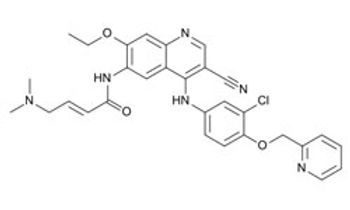
Extended adjuvant treatment with neratinib (PB272, HKI-272) significantly improved disease-free survival (DFS) compared with placebo for patients with HER2-positive breast cancer who received prior adjuvant trastuzumab.

Charles M. Perou, PhD, professor of genetics, pathology & laboratory medicine, UNC Lineberger Comprehensive Cancer Center, discusses the future of predicting outcomes in breast cancer.
Adam M. Brufsky, MD, PhD, gives a summary of his talk at the 13th Annual International Congress on the Future of Breast Cancer®. Brufsky discusses whether or not adjuvant bisphosphonates are ready to be a new standard of care in breast cancer.

Sara Hurvitz, MD, medical oncologist, UCLA Medical Center, discusses patient outcomes associated with PIK3CA mutations.

Suzanne A. W. Fuqua, PhD, professor of medicine at Baylor College of Medicine, discusses ESR1 mutations in primary breast cancer.

Mark D. Pegram, MD, a professor of medicine at Stanford University Medical Center and the director of the Breast Cancer Program at the Stanford Cancer Institute, discusses the results of a retrospective analysis that examined the toxicity of patients with liver metastases that were enrolled in phase III studies of T-DM1 for metastatic breast cancer.

Graham Colditz, MD, DrPH, associate director, Prevention and Control, Alvin J. Siteman Cancer Center, discusses the need to focus on breast cancer prevention in low and middle income countries.

Triple-negative breast cancer (TNBC) accounts for only 15% to 20% of breast cancers in the US.
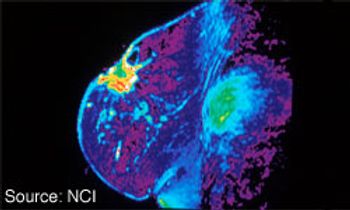
The FDA has approved gadobutrol (Gadavist) injection for intravenous use with breast MRI to detect and identify the extent of disease.

The FDA has approved the radioactive diagnostic imaging agent Lymphoseek injection to guide sentinel lymph node biopsy in patients with cancer of the head and neck.

Halle Moore, MD, discusses a phase III trial that looked at reducing the risk of premature ovarian failure with LHRH analog administration with chemotherapy in women with breast cancer.

Adam M. Brufsky, MD, PhD, discusses the results of a study that looked at the effect of prior trastuzumab on eribulin mesylate in combination with trastuzumab as first-line treatment for HER2-positive locally recurrent or MBC.

Abemaciclib demonstrated unexpected single-agent activity in patients with hormone receptor (HR)-positive metastatic breast cancer and a clinical benefit rate exceeding 70% in combination with fulvestrant.

A joint analysis of two phase III trials involving a total of 4690 premenopausal women with HR+ breast cancer demonstrated that adjuvant use of exemestane reduced relative risk of developing subsequent invasive cancer by 28% compared with tamoxifen.
Julie R. Gralow, MD, discusses an analysis of the phase III SWOG S0307 trial comparing toxicities and patient-stated preference for oral versus intravenous delivery of bisphosphonates as adjuvant therapy in primary breast cancer.