





BREAST CANCER
Latest News
Latest Videos





CME Content





























More News

Bone-targeted agents may help to minimize complications associated with osseous metastases, such as skeletal-related events, but ongoing compliance and adherence to these therapies are important to ensure they provide the desired benefit.

Denise A. Yardley, MD, senior investigator, Sarah Cannon Research Institute, on the treatment of patients with breast cancer with bone health issues.

Virginia G. Kaklamani, MD, professor of medicine, University of Texas Health Sciences Center in San Antonio, discusses bone health in women with breast cancer.

A 12-gene test for breast cancer recurrence after ductal carcinoma in situ (DCIS) distinguished high- and intermediate- risk patients from those with a low risk. These results were presented at the 2014 San Antonio Breast Cancer Symposium.

Findings from a long-term analysis of the Women’s Intervention Nutrition Study (WINS) show that the deaths of women with hormone receptor–negative breast cancers were reduced by up to 54% when they followed a program to reduce their dietary fat intake.

Frontline treatment with everolimus (Afinitor) combined with trastuzumab (Herceptin) and paclitaxel failed to delay disease progression versus trastuzumab and paclitaxel alone in patients with HER2-positive advanced breast cancer.

Fulvestrant (Faslodex) improved overall survival (OS) by 5.7 months compared with anastrozole as a frontline treatment for postmenopausal women with HR-positive metastatic breast cancer. These findings from the phase II FIRST trial were presented at the 2014 San Antonio Breast Cancer Symposium.

John F. R. Robertson, MD, discusses overall survival data from the phase II FIRST study, which looked at fulvestrant as first-line therapy for patients with advanced breast cancer.

Eileen Rakovitch, MD, associate professor, radiation oncologist, Sunnybrook Health Sciences Centre, Toronto, Ontario, discusses predicting risk of recurrence in women with DCIS.

A 25-gene hereditary cancer panel can increase the identification of deleterious mutations by almost 70%, over testing for hereditary breast and ovarian cancer (HBOC) or Lynch syndrome alone.

Naoto Tada Ueno, MD, PhD, FACP, from The University of Texas MD Anderson Cancer Center, discusses counting circulating tumor cells for prognostic reasons.

Denise A. Yardley, MD, from Sarah Cannon Research Institute, discusses toxicities associated with treatment with PI3K inhibitors for breast cancer.

Five years of tamoxifen continues to offer protection against breast cancer— reducing the risk of breast cancer by 29% in otherwise healthy women at high risk of the disease who have been followed now for 16 to 22 years.

Older patients with moderate- or high-risk breast cancer had a similar disease-free survival with the bisphosphonate therapy ibandronate alone or in combination with capecitabine, according Gunter von Minckwitz, MD, who reported the results at the 2014 San Antonio Breast Cancer Symposium.

Women with HR+ breast cancer who remained premenopausal after receiving chemotherapy had a lower risk of disease recurrence when adding ovarian suppression to adjuvant exemestane or—to a lesser extent—tamoxifen, compared with standard tamoxifen alone.

Adding bevacizumab to standard neoadjuvant chemotherapy significantly improved pathologic complete response rates in women with basal-like breast cancer compared with non-basal-like subtypes. These results from the CALGB 40603 trial were presented at the 2014 San Antonio Breast Cancer Symposium.

Nab-paclitaxel (Abraxane) was more effective than conventional paclitaxel as part of a neoadjuvant regimen for patients with high-risk early breast cancer in a large German study. These results were presented at the 2014 San Antonio Breast Cancer Symposium.

Sara Hurvitz, MD, medical oncologist, UCLA Medical Center, discusses the results of a study looking at pembrolizumab (Keytruda) in patients with triple-negative breast cancer (TNBC).

The PD-1 inhibitor pembrolizumab (Keytruda) has demonstrated promising clinical activity and an acceptable safety profile in heavily pretreated patients with recurrent metastatic triple-negative breast cancer (TNBC).

David L. Rimm MD, PhD, from Yale School of Medicine, discusses the need for further research into tissue biomarkers in breast cancer.

Adding the investigational PI3K inhibitor pictilisib to fulvestrant in patients with metastatic breast cancer (MBC) yielded a doubling in progression-free survival (PFS) in women with both estrogen receptor (ER)– and progesterone receptor (PR)–positive disease.

Women with HER2-positive breast cancer and high levels of stromal tumor-infiltrating lymphocytes (S-TILs) treated with chemotherapy alone had an 80% lower likelihood of disease recurrence compared to those with lower TIL counts.
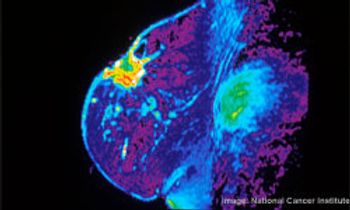
Frontline treatment with neratinib and paclitaxel demonstrated similar ORR and PFS as trastuzumab and paclitaxel while lowering the incidence of CNS metastases in patients with locally recurrent or metastatic HER2-positive breast cancer.

In May 2014, ASCO issued guidelines recommending the administration of adjuvant tamoxifen for 10 years in women with stage I-III hormone receptor (HR)-positive breast cancer, based on data from the collection of 5 clinical trials.

Characterized by the absence of cell surface receptors for estrogen, progesterone and epidermal growth factor, triple negative breast cancer (TNBC) presents a formidable treatment challenge.