



BREAST CANCER
Latest News
Latest Videos




CME Content





























More News

The large Canadian study that has caused a stir by indicating that mammograms are of no use in women aged 40 to 59 years, and in fact can lead to over-diagnosis of breast cancer, is flawed and misleading.

A wide-ranging analysis of more than 5500 breast cancer tumors that combined genomic and protein expression testing has identified promising targets to explore for treating patients with poor prognoses, with particularly notable findings involving androgen receptor (AR) expression.

Robert McCormack, PhD, head, Technology Innovation, Janssen Diagnostics, LLC, discusses the SWOG S0500 study, which evaluated different treatments in patients with metastatic breast cancer who had elevated circulating tumor cell (CTC) levels.

Eribulin mesylate has demonstrated clinical benefit as a first-line therapy for locally recurrent or metastatic HER2- negative breast cancer, according to results of a phase II, multicenter, single-arm study.

According to a new study, physicians now have a clearer understanding of the optimum age for prophylactic oophorectomy in patients with BRCA mutations who want to reduce their risk of ovarian, fallopian tube, and breast cancer.

Significant developments in research and treatment for HER2-positive breast cancer have emerged over the past year. Those advances include a growing number of studies measuring the effectiveness of dual agents.
Neil M. Iyengar, MD, Fellow, Medical Oncology and Hematology, Breast Medicine Service, Memorial Sloan Kettering Cancer Center, discusses a study presented at the 2013 San Antonio Breast Cancer Symposium that further validated the link between obesity and breast inflammation in women with breast cancer.
Adam Brufsky, MD, PhD, FACP, professor of medicine, associate division chief, Division of Hematology/Oncology, University of Pittsburgh School of Medicine, discusses the results of the BETH study

Previously revealed efficacy data from the BOLERO-3 study indicated slowed tumor progression in patients with trastuzumab-resistant HER2+ breast cancer, and now everolimus, trastuzumab, and vinorelbine has demonstrated a manageable safety profile.
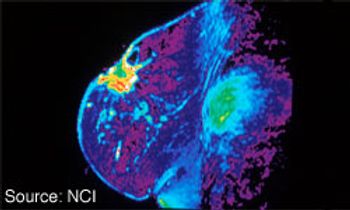
Neoadjuvant and adjuvant therapies, administered before and after primary anticancer therapy, respectively, have been shown in numerous clinical trials to reduce recurrence and improve survival in patients with breast cancer.

Dawn Hershman, MD, MS, medical oncologist, Columbia University Medical Center, discusses chemotherapy-induced peripheral neuropathy in breast cancer.
Andrew J. Brenner, MD, PhD, assistant professor of medicine, clinical investigator, Cancer Therapy Research Center, The University of Texas Health Science Center, discusses a study that was conducted to try to find the link between obesity and breast cancer.
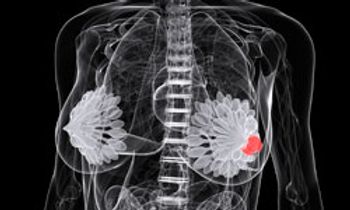
Delaying resistance to hormone therapy and prolonging PFS in women with hormone receptor-positive, advanced disease have remained elusive goals in breast cancer treatment.

Gunter von Minckwitz, MD, PhD, Chairman, German Breast Group, Professor of Gynecology, University of Frankfurt, Germany, explains the mechanism of palbociclib, a novel oral selective inhibitor of cyclin-dependent kinase (CDK) 4 and 6

Komal L. Jhaveri, MD, Assistant Professor, Department of Medicine, NYU Langone Medical Center, discusses molecular targets in inflammatory breast cancer.

Palbociclib plus letrozole is tolerable and more than doubles progression-free survival (PFS) for postmenopausal patients with locally advanced or newly diagnosed estrogen receptor (ER)-positive, HER2-negative metastatic breast cancer, according to final results from the phase II PALOMA-1 trial

Debu Tripathy, MD, co-leader, Women's Cancer Program, University of Southern California Norris Comprehensive Cancer Center, discusses recent updates in the field of HER2+ breast cancer.
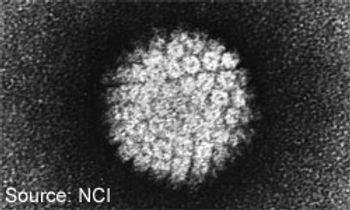
Researchers have completed a comprehensive genomic analysis of cervical cancer in two patient populations. The study identified recurrent genetic mutations not previously found in cervical cancer, including one for which targeted agents have been approved in other cancers.

Julie R. Gralow, MD, gives an overview of a phase II study of adjuvant paclitaxel and trastuzumab (APT trial) for node-negative, HER2-positive breast cancer.

Sharon Tollin, PhD, ARNP-BC, OCN®, H. Lee Moffitt Cancer Center & Research Institute, discusses changes to the awareness of BRCA testing and breast cancer risk.

Carlos L. Arteaga, MD, discusses the results and impact of the four-year follow-up analysis of the NeoALTTO trial, which analyzed patients with HER2-positive breast cancer.

The I-SPY 2 trial, which is evaluating novel agents in the neoadjuvant treatment of breast cancer, may accelerate and influence the way that oncology drugs are tested and approved in the near future.

Elizabeth Garner, MD, MPH, vice president, Clinical Affairs, Preventive Care, Myriad Genetics, discusses the Myriad myRisk Hereditary Cancer Test.
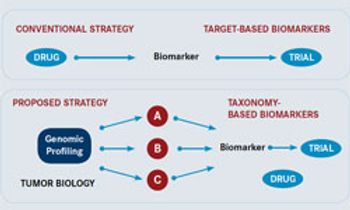
The development of predictive biomarkers is widely accepted as an important milestone in the move toward personalized, or precision, medicine and the ability to identify the right drug for the right patient. JTT interviewed Kopetz about biomarker models.

Laura J. Esserman, MD, from UCSF Helen Diller Family Comprehensive Cancer Center, discusses the I-SPY 2 trial, a clinical trial for women with newly diagnosed, locally advanced breast cancer.