



Renal Cell Carcinoma
Latest News
Latest Videos





CME Content





























More News

Patients with renal cancer who underwent cytoreductive nephrectomy (CN) and targeted therapy (TT) had improved survival compared with patients who did not undergo the surgery, according to research from the Dana-Farber Cancer Institute and Brigham and Women’s Hospital.<sup>1</sup> Historically, only 3 in 10 such patients undergo the procedure.

Mark Ball, MD, chief urology resident, Johns Hopkins University School of Medicine, discusses the clinical, pathological, and genomic profiles of exceptional responders to anti-PD-1 therapy in renal cell carcinoma.
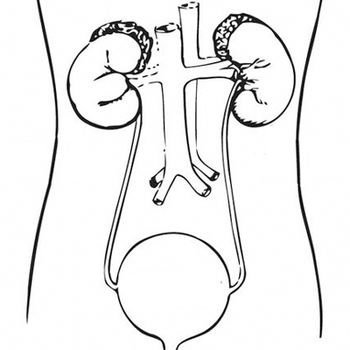
Sunitinib extended disease-free survival versus placebo as an adjuvant therapy for patients with renal cell carcinoma at high risk of recurrence in the phase III S-TRAC trial.

Infusion with 19-28z chimeric antigen receptor (CAR) modified T-cells led to complete response (CR) rates of 77% to 90% and minimal residual disease (MRD)-CR rates of 68% to 70% in adult patients with relapsed or refractory B-cell acute lymphocytic leukemia (B-ALL).
Neratinib, an experimental TKI being developed for breast cancer, achieved a 36% clinical benefit rate in a phase II trial, according to a poster presented June 5, 2016 at the ASCO Annual Meeting in Chicago.

Patients with advanced renal cell carcinoma who have progressed on cabozantinib (Cabometyx) and nivolumab (Opdivo), now have a promising new treatment option.

Sue Naeyaert, senior director of Biosimilars Policy, EMD Serono, discusses the long-term impact that biosimilars could potentially have on the field of oncology.
The combination of lenvatinib (Lenvima) and everolimus (Afinitor) has been approved by the FDA as a treatment for patients with advanced renal cell carcinoma (RCC) following prior antiangiogeneic therapy.
Nivolumab (Opdivo) produced exceptional responses in patients with renal cell carcinoma, which may pave the way for further treatment breakthroughs, according to Mark Ball, MD.
The FDA has approved cabozantinib as a treatment for patients with advanced renal cell carcinoma who have received prior antiangiogenic therapy.

Advances in kidney cancer deal much more in surgery, rather than treatment options, according to Alexander Kutikov, MD, FACS.

The second interim analysis of the phase III METEOR trial has revealed a statistically significant improvement in overall survival (OS) with cabozantinib (Cometriq) versus everolimus (Afinitor) as a treatment for patients with advanced renal cell carcinoma (RCC) following progression on one prior therapy, according to a statement from the drug's developer, Exelixis.

Cabozantinib (Cometriq) has receieved a priority review designation from the FDA for patients with advanced renal cell carcinoma (RCC) following progression on one prior therapy, according to Exelixis, the drug's developer.

The combination of lenvatinib (Lenvima) and everolimus (Afinitor) has been given a priority review status by the FDA as a treatment for patients with metastatic renal cell carcinoma (RCC) following one prior VEGF-targeted therapy.

Srinivasan says enrolling patients in clinical trials that best represents their type of kidney cancer is an appropriate course of action for treatment.

Patients with renal cell carcinoma (RCC) who express higher entropy, a measure of T-cell diversity, could translate to a more favorable prognosis

Kutikov points out that not every mass needs to be resected and that patients need to understand the risks associated with each decision they make in the treatment process.

Novel clinical trials are currently assessing the combination of VEGF-targeted agents and immune checkpoint inhibitors as frontline therapies for patients with metastatic renal cell carcinoma (RCC).
Choueiri says that while both drugs have a chance to become first-line therapies, nivolumab does more so than cabozantinib. He says there is a phase III study that has recently finish accrual that looks at combining nivolumab and ipilimumab, in comparison to sunitinib, as a treatment for RCC.

Combining a selective class I oral histone deactylase (HDAC) inhibitor with high-dose interleukin (IL)-2 may boost the latter's antitumor effect in renal cell carcinoma (RCC).

Nivolumab shows consistent survival benefit across subgroups as a second-line treatment for renal cell carcinoma (RCC), according to data from an analysis of the phase III CheckMate-025 trial.

In a comparison study, cabozantinib significantly boosted progression-free survival (PFS) against everolimus in patients with renal cell carcinoma (RCC) regardless of metastases degree, type, number of prior treatments, or patient risk status.

The programmed cell death 1 (PD-1) and PD-1 ligand (PD-L1) inhibitors "are going to disrupt the current treatment paradigm and will likely be the backbone of combination therapy," said Hans J. Hammers, MD, PhD.
The FDA has received a new drug application for cabozantinib (Cometriq) as a treatment for patients with advanced renal cell carcinoma (RCC) who have received one prior therapy.

The FDA has approved nivolumab (Opdivo) as a treatment for patients with metastatic renal cell carcinoma following prior treatment with an anti-angiogenic therapy.