


Renal Cell Carcinoma
Latest News
Latest Videos


CME Content





























More News

According to findings from the phase III REFLECT trial now published online in the <em>Lancet,</em><sup> </sup>lenvatinib improved progression-free survival and was noninferior for overall survival compared with sorafenib for the frontline treatment of patients with unresectable hepatocellular carcinoma.
Tian Zhang, MD, assistant professor of medicine, Duke University School of Medicine, Duke Cancer Institute, discusses the phase III KEYNOTE-564 trial of pembrolizumab (Keytruda) as adjuvant treatment for renal cell carcinoma (RCC). <br />
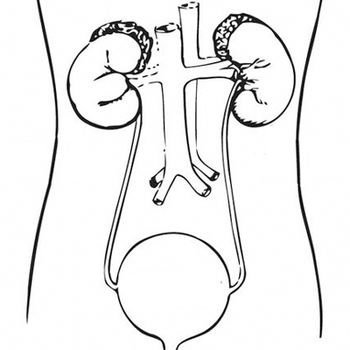
The first-in-class glutaminase inhibitor CB-839 showed encouraging activity and tolerability when combined with everolimus and cabozantinib in heavily pretreated patients with metastatic renal cell carcinoma, according to results from a phase I study presented in a poster session at the 2018 Genitourinary Cancers Symposium in San Francisco, California.
According to results of the randomized phase II CABOSUN trial,<span style="font-size:10.8333px"> </span>PFS was improved with sunitinib as initial systemic therapy across subgroups of patients with intermediate- and poor-risk advanced renal cell carcinoma. The advantage to cabozantinib on PFS was particularly strong in patients who were MET-positive.
As stated in findings from IMmotion151, a phase III open-label study, the combination of atezolizumab (Tecentriq) and bevacizumab (Avastin) induced a 26% reduction in the risk of progression or death compared with sunitinib (Sutent) for patients with untreated PD-L1–positive metastatic renal cell carcinoma. This study was released ahead of the 2018 Genitourinary Cancers Symposium.
Treatment with cabozantinib induced similar quality of life results as treatment with everolimus in patients with advanced renal cell carcinoma, according to results of the randomized, open-label, international phase III METEOR trial.
Rana R. McKay, MD, medical oncologist, assistant professor, Moores Cancer Center at the University of California, San Diego, discusses advances in the treatment of metastatic renal cell carcinoma (RCC).
David F. McDermott, MD, shares some of the successes with immunotherapy in RCC and gave his insight on the future treatment of these patients.
Rana R. McKay, MD, discusses the evolving management of patients with advanced RCC, specifically the future of combinations with immunotherapy regimens.
According to results of a subgroup analysis of the phase III METEOR trial, cabozantinib (Cabometyx) demonstrated a 4.7 month improvement in progression-free survival compared with everolimus (Afinitor) in pretreated patients with advanced renal cell carcinoma with bone metastases at baseline.
In phase II data reported at the 2018 Gastrointestinal Cancers Symposium, treatment with the PD-1 inhibitor pembrolizumab (Keytruda) elicited promising progression-free survival and overall survival results in patients with advanced hepatocellular carcinoma who received previous treatment with sorafenib.
According to findings from the phase III CELESTIAL trial released ahead of the 2018 Gastrointestinal Cancers Symposium, cabozantinib (Cabometyx) improved median overall survival by 2.2 months compared with placebo for patients with previously treated advanced hepatocellular carcinoma.
Madappa Kundranda, MD, PhD, recently discussed the cases of 2 patients with hepatocellular carcinoma (HCC), and the treatment considerations and decisions he would make when treating these patients. Dr. Kundranda, Director of Gastrointestinal Oncology at Banner MD Anderson Cancer Center, Phoenix discussed these cases during a <em>Targeted Oncology</em> live case-based peer perspectives dinner.

Based on results of the Ib/II Study 111, the combination of the PD-1 inhibitor pembrolizumab and the VEGF/FGF inhibitor lenvatinib has been granted a breakthrough therapy designation by the FDA for the treatment of patients with advanced and/or metastatic renal cell carcinoma.
The FDA closed out the year by approving several new agents last month, including bevacizumab for glioblastoma, cabozantinib for renal cell carcinoma, nivolumab for melanoma, bosutinib for chronic myeloid leukemia, and pertuzumab for HER2+ breast cancer. In addition, several agents were granted a priority review designation. Here is a look back at all the FDA activity that took place in December.
The PD-L1 inhibitor avelumab (Bavencio) has been granted a breakthrough therapy designation by the FDA for use in combination with the VEGF inhibitor axitinib (Inlyta) in treatment-naïve patients with advanced renal cell carcinoma.
Based on results of the CABOSUN trial, cabozantinib (Cabometyx) has been approved by the FDA for previously untreated patients with advanced renal cell carcinoma.
An extension in overall survival (OS) with the combination of nivolumab (Opdivo) and ipilimumab (Yervoy) has completely changed the standard of care for patients with metastatic renal cell carcinoma (mRCC), Thomas Powles, MD, MBBS, MRCP, told audience members during the 9th European Multidisciplinary Meeting on Urological Cancers.<br />
Based on findings of the phase III CheckMate-214 trial, a supplemental biologics license application for the combination of nivolumab and ipilimumab has been granted a priority review by the FDA as a frontline treatment for intermediate- and poor-risk patients with advanced renal cell carcinoma.
Chimeric antigen receptor T-cell therapy with bb2121 demonstrated an objective response rate of 94% in patients with relapsed/refractory multiple myeloma, according to findings from a dose-escalation study. The senior study author, James N. Kochenderfer, MD, presented updated findings from the study during the 2017 ASH Annual Meeting, and commented that 89% of patients had a very good partial response or better, and 56% of patients had a complete remission. <br />
Sunitinib (Sutent) has been granted FDA approval for the adjuvant treatment of patients with renal cell carcinoma (RCC) who have received nephrectomy and are high risk for recurrence.
The researchers review intra-arterial therapies and the latest literature supporting their use, categorized by different tumor types.
A look back at all the FDA news that occurred in the month of September.
Toni K. Choueiri, MD, clinical director, Lank Center for Genitourinary Oncology, director, Kidney Cancer Center, senior physician, Dana-Farber Cancer Institute, discusses a phase 1b trial of first-line avelumab (Bavencio) plus axitinib (Inlyta) in patients with advanced renal cell carcinoma (RCC).
Savolitinib, Small-Molecule MET Kinase Inhibitor, Demonstrates Safety and Efficacy in Phase II Study
Patients with metastatic papillary renal cell carcinoma have limited therapeutic options, but results of a phase II safety and efficacy study suggest that a small-molecule inhibitor, savolitinib, could help patients with MET-driven disease.