





Melanoma
Latest News
Latest Videos









CME Content





























More News

A Q&A with Keith T. Flaherty, MD.

Approval for first-in-class oncolytic immunotherapy talimogene laherparepvec (T-VEC; Imlygic) has come down from the FDA based on the results from the phase III OPTiM study.

Pro-inflammatory cytokines were elevated in patients with melanoma undergoing the combination treatment of radiation therapy and the systemic anti�CTLA-4 immunotherapy, ipilimumab.

The combination of nivolumab and ipilimumab has received accelerated FDA approval as a treatment for patients with BRAF V600 wild-type unresectable or metastatic melanoma.

Talimogene laherparepvec (T-VEC), an attenuated oncolytic virus, combined with pembrolizumab, an immune checkpoint inhibitor, passed an early safety evaluation for unresectable melanoma.

Two strategies of successive immunotherapy for the treatment of advanced melanoma recently showed similar safety and tolerability, yet substantially different efficacy.

Provectus Biopharmaceuticals, Inc recently announced it has completed development of its protocol for phase Ib/II testing in patients with stage IV melanoma.

A preclinical study using mouse and human melanoma cell lines published in a September, 2015, issue of Cell, outlines mechanisms by which melanoma can evade the immune system.

Malignant melanoma is one of the most common primary tumors to spread to the brain.

Dabrafenib (Tafinlar), in combination with trametinib (Mekinist), improved overall survival (OS) by 7.6 months, compared to the single-agent vemurafenib (Zelboraf) in patients who have unresectable or metastatic BRAFV600E/K-mutant melanoma.

Hendrik-Tobias Arkenau, MD, PhD, executive medical director, Drug Development Unit, Sarah Cannon Research Institute-United Kingdom, discusses the future of immunotherapy in melanoma.

Frequency of the cell death-regulating protein Bim (BCL-2-interacting mediator of cell death) may predict patient response to PD-1 inhibitor immunotherapy.
A recent study published in the Journal of Investigative Dermatology has helped to confirm the correlation between transplantation and increased risk of melanoma.1-3

It is well known that having multiple moles (ie, >50) is a risk factor for developing melanoma. A new study shows, however, that melanoma can also develop in people with fewer than 50 moles, and when it does, it typically has a more aggressive course.

Former US President Jimmy Carter announced that melanoma was found on four different spots of his brain, as well as on his liver.
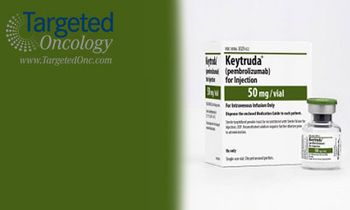
Pembrolizumab (Keytruda) has received priority review from the US Food and Drug Administration (FDA) as frontline treatment for patients with advanced melanoma.

Jason J. Luke, MD, FACP, assistant professor of medicine, The University of Chicago, discusses the efficacy of PD-1/PD-L1 inhibitors in melanoma.

The review period for frontline nivolumab (Opdivo), in patients who have advanced melanoma, recently received an extension of three months by the FDA, in order to allow ample time for review of the additional data submitted by Bristol-Myers Squibb (BMS)

Anna C. Pavlick, DO, co-director, Melanoma Program, assistant director, Clinical Research Education, associate professor, Departments of Medicine and Dermatology, Langone Medical Center, New York University, discusses the study of vemurafenib combined with a MEK inhibitor.

Breakthrough therapy designation has been granted by the US Food and Drug Adminstration (FDA) to the combination of the BRAF inhibitor dabrafenib (Tafinlar) and the MEK inhibitor trametinib (Mekinist) as treatment for patients with BRAF V600E-mutant non–small cell lung cancer

The PD-1 inhibitor pembrolizumab (Keytruda) was recently approved by the European Commission for the treatment of adult patients who have unresectable or metastatic melanoma in the first-line and previously treated settings, based on data from three clinical trials that evaluated the medication in over 1500 patients.
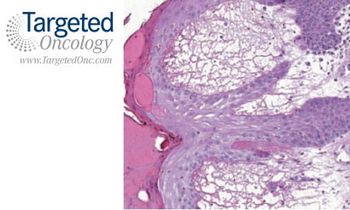
A letter to the editor in the New England Journal of Medicine from notable researchers at Memorial Sloan Kettering reported a case of complete remission of metastatic melanoma in a patient treated with single doses of ipiliumab and nivolumab.
Marc Ernstoff, MD, director of melanoma, Cleveland Clinic, discusses progression-free survival (PFS) and safety in patients with advanced melanoma (MEL) receiving nivolumab (NIVO) combined with ipilimumab (IPI).
Using treatments that target epigenetic pathways, including the DNA methyltransferase inhibitor decitabine and the histone deacetylase (HDAC) inhibitor panobinostat, investigators hoped to improve the sensitivity of melanoma cells to the alkylating agent temozolomide.

The FDA has extended the review timeline for the combination of cobimetinib and vemurafenib in advanced melanoma by 3 months, to allow ample time to review updated data that were presented at the 2015 ASCO Annual Meeting.