
Alpelisib plus fulvestrant significantly improves progression-free survival in advanced breast cancer patients previously treated with CDK4/6 inhibitors.
Alpelisib plus fulvestrant significantly improves progression-free survival in advanced breast cancer patients previously treated with CDK4/6 inhibitors.
Abemaciclib shows promise as a monotherapy for HR-positive, HER2-negative breast cancer after CDK4/6 inhibitor failure, benefiting 33% of patients.

Sonrotoclax shows promising efficacy and tolerability in treating relapsed mantle cell lymphoma, with ongoing trials to confirm its potential.
A phase 2 study reveals promising results for zanubrutinib combined with R-CHOP in treating untreated diffuse large B-cell lymphoma patients.
Zanubrutinib shows sustained efficacy and safety in relapsed/refractory CLL, with a median progression-free survival of 52.5 months in long-term follow-up.

Camrelizumab and famitinib significantly enhance progression-free survival in recurrent cervical cancer compared to traditional chemotherapy, offering a promising new treatment option.
New findings from the CheckMate 238 trial highlight nivolumab's superior long-term efficacy over ipilimumab in treating advanced melanoma.
Ribociclib combined with aromatase inhibitors significantly enhances invasive disease-free survival in early breast cancer, offering lasting benefits beyond treatment.

Oncologists explore advanced treatment options for ROS1-positive non-small cell lung cancer, highlighting improved efficacy and personalized therapy choices.
Innovative treatments like JAK2 inhibitors and bispecific antibodies show promise in overcoming immunotherapy resistance in non-small cell lung cancer.
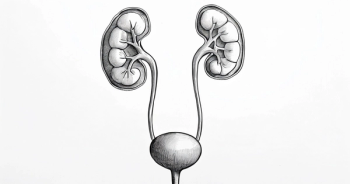
KIM-1 emerges as a promising biomarker for renal cell carcinoma, enhancing prognosis and treatment decisions in kidney cancer management.

Ipatasertib combined with fulvestrant significantly extends progression-free survival in ER-positive, HER2-negative metastatic breast cancer patients post-CDK4/6 therapy.
Adding cobolimab to dostarlimab as neoadjuvant treatment for high-risk resectable melanoma improved major pathological response rates and was tolerable.
Fruquintinib with chemotherapy and PD-1 blockade showed promising efficacy in HER2-negative advanced gastric or gastroesophageal junction adenocarcinoma.
The SACHI trial showed savolitinib + osimertinib significantly improved PFS (8.2 vs 4.5 months) vs chemotherapy in EGFR-mutated, MET-amplified advanced NSCLC after EGFR TKI progression.

Phase 2b SunRISe-1 data showed TAR-200 monotherapy achieved an 82.4% complete response rate in BCG-unresponsive, high-risk NMIBC with CIS. The 12-month CR rate was 45.9%, with durable responses and manageable safety. An FDA application is under review.

OPTYX study shows many patients with advanced prostate cancer preferred oral relugolix over injectables for androgen deprivation therapy.

Orca-T with reduced-intensity stem cell transplantation was a safe, feasible alternative to conventional transplant in blood cancers, per phase 1 data.
Darolutamide plus ADT improved outcomes in metastatic hormone-sensitive prostate cancer, regardless of disease volume, in the phase 3 ARANOTE trial.

Brexucabtagene autoleucel showed comparable efficacy outcomes in patients aged 60 to 69 with relapsed/refractory B-cell acute lymphoblastic leukemia and those under 60.

A phase 2 trial of ipilimumab plus nivolumab has met its primary end point of 12-month overall survival rate in non-clear cell renal cell carcinoma.
The combination of benmelstobart with anlotinib led to efficacy improvements in patients with advanced renal cell carcinoma vs sunitinib.
In an updated analysis of the phase 3 CheckMate 77T study, perioperative nivolumab showed event-free survival benefits for the treatment of resectable non–small cell lung cancer.
Adding retifanlimab to carboplatin and paclitaxel improved progression-free survival in patients with recurrent or metastatic squamous cell carcinoma of the anal canal.
Zanubrutinib with venetoclax led to an overall response rate of 100% when used for treating patients with treatment-naive chronic lymphocytic leukemia or small lymphocytic lymphoma with 17p deletions and/or TP53 mutations.
Acalabrutinib and zanubrutinib showed longer median TTD and TTNT compared to ibrutinib in CLL/SLL patients. Cardiovascular adverse effects were less frequent with acalabrutinib and zanubrutinib than with ibrutinib.

New or worsening anemia did not appear to reduce the clinical benefit of ruxolitinib in myelofibrosis patients, and the median overall survival was similar between patients with and without new or worsening anemia.
Zanubrutinib plus venetoclax achieved a 100% overall response rate in patients with treatment-naive CLL/SLL harboring 17p deletions and/or TP53 mutations.

The combination therapy showed consistent benefits across various subgroups, including those with poor-risk disease and higher PD-L1 expression.
Lenvatinib plus pembrolizumab delivered a significant benefit in time to disease progression in all organs vs sunitinib in advanced renal cell carcinoma.

May 31st 2024

October 20th 2023

March 18th 2024

December 13th 2021

January 4th 2024