Primary brain cancers are aggressive, resulting in low survival rates, and pose significant challenges to effective treatment, but ongoing studies signal hope for patients with there tumors.
Primary brain cancers are aggressive, resulting in low survival rates, and pose significant challenges to effective treatment, but ongoing studies signal hope for patients with there tumors.

William Wierda, MD, PhD, explored the emergence of small molecule-inhibitor targeted therapies during the “Workup of CLL in the Era of Small Molecules,” presentation at the 10th Annual Meeting of the Society of Hematologic Oncology.
Current- generation cytokines are being engineered to extend their half-life and improve tumor targeting using polyethylene glycol conjugation, fusion to tumor-targeting antibodies, alterations of cytokine/cell receptor–binding affinity, and other strategies.
Research is ongoing to explore all potential uses for circulating tumor DNA to help reduce the global burden of colorectal cancer.

With expanding knowledge of the molecular characteristics of uterine sarcomas, investigators are working to develop treatments specific to each subtype.
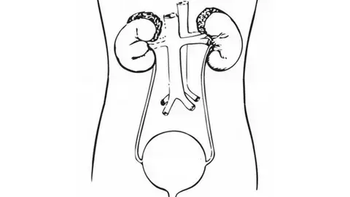
Data presented at the 2022 American Society of Clinical Oncology Genitourinary Cancers Symposium highlight the inhibitors’ use in combination regimens, other settings, and next-generation agents.
Numerous classes of STING agonists are being evaluated for use, including novel cyclic dinucleotides, next-generation noncyclic dinucleotides, bacterial vectors, and ENPP1 inhibitors.
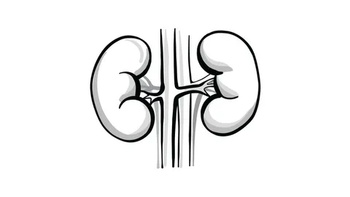
Although numerous therapeutics are available for the management of metastatic renal cell carcinoma in the first-line setting, there are few options and little guidance on the approach to adjuvant therapy.
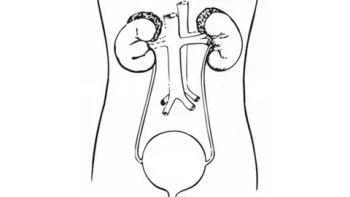
Much has changed in the understanding and treatment of urothelial cancer and questions are addressed in the updated ESMO clinical practice guidelines.
Considering later lines of treatment such as chimeric antigen receptor T-cell therapy, make it difficult for chimeric antigen receptor T-cell therapy to find its optimal place in the armamentarium.
Early evidence indicates that iterative detection, profiling, and targeting of minimal residual disease could improve outcomes and even lead to a cure.

Tanios S. Bekaii-Saab, MD, FACP, Richard S. Finn, MD, and William P. Harris, MD, highlight advances in research and clinical treatment of hepatocellular carcinoma over the past 10 years.
Research is ongoing to combat key resistance mechanisms, with new data recently presented by Sara A. Hurvitz, MD, FACP, and other oncologists and investigators during the 2021 San Antonio Breast Cancer Symposium.
Recent trials explore drugs like bemcentinib, everolimus, talazoparib, and others for potential approaches to targeting STK11 mutations.
With the rapid advancement of CAR T, there is no doubt that many patients in the future will reap the benefits.
ATR’s integral role in DNA damage repair has made it an appealing target for cancer treatment, and several ATR inhibitors are being evaluated for efficacy and safety across solid tumors.
March 25th 2022

February 3rd 2022
February 18th 2022