
HEMATOLOGY
Latest News

Latest Videos




CME Content





























More News
In the last 5 years, the treatment paradigm for patients with hematologic malignancies has seen vast changes. These alterations continue their progress in the field with groundbreaking data and new ideas presented at the 2015 American Society of Hematology Annual Meeting from December 5 through 8.
Michael Mauro, MD, discusses the side effects of tyrosine kinase inhibitors in patients with chronic myeloid leukemia.

Elotuzumab (Empliciti) has been approved by the FDA for use in combination with lenalidomide (Revlimid) and dexamethasone in patients with multiple myeloma after the failure of at least 1 prior therapy.

Where once limited treatment options existed for patients with CLL, medical oncologists now have a plethora of agents from which to choose, making disease management in CLL more effective with fewer toxicities.
Andre Goy, MD, MS, chief, John Theurer Cancer Center's Division of Lymphoma, talks about the emerging novel therapies in diffuse large B-cell lymphoma (DLBCL).

The FDA has given accelerated approval to the CD38-targeted monoclonal antibody daratumumab as a monotherapy for patients with multiple myeloma following at least 3 prior therapies a full four months ahead of schedule.

A supplemental new drug application has been submitted to the FDA for ibrutinib in conjunction with bendamustine and rituximab. The combination would treat patients with relapsed or refractory chronic lymphocytic leukemia or small lymphocytic lymphoma.

Monoclonal antibodies, specifically the CD3 and CD19 bispecific agent blinatumomab (Blincyto) and the CD22-targeted antibody-drug conjugate inotuzumab ozogamicin, are set to overhaul the treatment of adults with relapsed acute lymphoblastic leukemia.

Achieving optimal results with novel antibodies like elotuzumab (Empliciti) and daratumumab in multiple myeloma treatment will involve combination regimens with established agents, according to Sagar Lonial, MD.

The news of a shifting landscape for the diagnosis and treatment of polycythemia vera (PV) is a good thing for patients and practitioners. The altered playing field means refined criteria for diagnosing symptomatic patients, identifying those at highest risk, and an impressive arsenal for treating a disease which carries such heavy symptom burdens.

While CLL patients have lived longer with the use of B-cell pathway inhibitors, they require diligent monitoring and even potential suspension to control adverse events.

The storied history of Trabectedin, a treatment for metastatic liposarcoma or leiomyosarcoma, all starts in the shallow, warm waters of the ocean.

Mutations in MYD88 and CXCR4 can effectively be used to tailor treatment for patients with Waldenstrom's macroglobulinemia (WM), according to one medical professional.

Pexidartinib (formerly PLX3397) has been granted a breakthrough therapy designation by the FDA based on findings from a phase I study published in The New England Journal of Medicine.

Steven D. Gore, MD, director of Hematologic Malignancies at Yale Cancer Center, talks about the risk of constantly testing azanucleoside combinations without significant results. Gore says that testing azanucleoside combinations that are not well planned may cause the medical community to overlook an effective combination due to fatigue of constant testing.
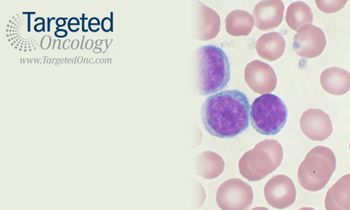
Acute lymphoblastic leukemia (ALL) is a relatively rare malignancy in adults, with an estimated 6250 new cases and 1450 deaths expected in the United States in 2015. Although most patients achieve complete remission with conventional combination chemotherapy regimens, at least two-thirds of high-risk patients relapse.2 While overall survival for children has significantly improved in the last 30 years, newly diagnosed adults continue to have a poor 5-year OS rate, approximating 35%, depending on age and risk factors.

Advanced soft tissue sarcoma patients will now be able to receive trabectedin (Yondelis), which has been approved by the FDA after promising results from a phase III trial.
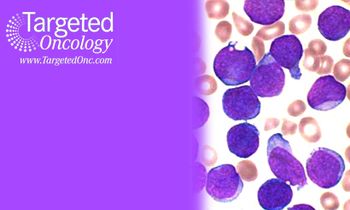
The anti-CD22 antibody-drug conjugate inotuzumab ozogamicin has been granted breakthrough therapy designation by the FDA as a potential treatment for relapsed or refractory acute lymphoblastic leukemia patients.

John C. Byrd, MD, on Hematologic Malignancies in Chicago about novel agents in treating chronic lymphocytic leukemia, specifically about the emergence of new targeted therapies, including ibrutinib (Imbruvica) and idelalisib (Zydelig) and what clinicians should know about them.

When John P. Leonard, MD, spoke at the American Society of Hematology inaugural meeting on Hematologic Malignancies about mantle cell lymphoma (MCL), he balanced his enthusiasm about the emerging benefits that tumor profiling brings to this disease with an acknowledgement that many important questions about mantle cell lymphoma remain unanswered.

Eribulin mesylate (Halaven) has been granted an FDA priority review designation as a treatment for patients with advanced soft tissue sarcoma following chemotherapy.
Relapsed and Refractory CLL with Javier Pinilla-lbarz, MD, PhD and Paul Barr, MD