


HEMATOLOGY
Latest News
Latest Videos



CME Content





























More News

Venetoclax has been granted priority review status by the FDA for use in adults with chronic lymphocytic leukemia (CLL) following at least 1 prior therapy. This patient population includes those with a 17p deletion (del[17p]), according to codevelopers of the BCL-2 inhibitor AbbVie and Genentech.

Patrick Johnston, MD, PhD, assistant professor of medicine, Mayo Clinic, discusses a phase I study that incorporated belinostat with standard CHOP chemotherapy for patients with newly diagnosed peripheral T-cell lymphoma. Johnston says the goal of the trial was to discover the maximum tolerable dose. He said there were no additional significant toxicities in patients and the combination was well-tolerated.

Kathryn Kolibaba, MD, discusses results from the phase II trial dubbed Pyramid Trial. The open-label trial examined a combination of R-CHOP and bortezomib in patients with untreated non-germinal center B-cell-like subtype diffuse large cell lymphoma.
Betty Hamilton, MD, discusses TET2 mutations in molecular mutations in acute myeloid leukemia (AML) and myelodysplastic syndromes (MDS) on allogeneic hematopoietic cell transplant outcomes.

With numerous newly approved drugs for patients with early-stage multiple myeloma reaching the clinics, understanding what drugs, combinations, and sequences to use has become an important area of research. Several recent studies have demonstrated increased efficacy with nominally increased adverse events in these triplet arms.
Researchers discovered that pregnancy while in remission of Hodgkin lymphoma does not increase the risk of cancer relapse, making this report the first largest study to specifically examine the impacts of pregnancy as a potential trigger for relapse in Hodgkin lymphoma survivors.

Farhad Ravandi, MD, Professor in the Department of Leukemia, MD Anderson Cancer Center‎, discusses minimal residual disease. Ravandi says historically, MRD has shown a resistance to cytotoxic chemotherapy.
Neal Young, MD, discusses the advancement of treatment for aplastic anemia. Young said aplastic anemia used to kill almost all patients diagnosed with the disease within a year.
Jeffrey Jones, MD, discusses small molecule inhibitors of B-cell receptor signaling in chronic lymphocytic leukemia (CLL).

Amy Johnson, PhD, discusses the overall high response rates in patients with chronic lymphocytic leukemia (CLL) to a new novel bruton tyrosine kinase (BTK) inhibitor called acalabrutinib (ACP-196).

A combination of venetoclax and obinutuzumab, followed by additional cycles of venetoclax, has shown tolerability in elderly patients with previously untreated chronic lymphocytic leukemia with comorbidities, data from the CLL14 trial (BO25323) shows.
Patricia L. Kropf, MD, discusses a combination of decitabine and arsenic trioxide as a replacement for patients with acute myeloid leukemia (AML) and myelodysplastic syndrome (MDS) who cannot withstand induction chemotherapy.

The PD-1 inhibitor pembrolizumab in combination with an established multiple myeloma regimen showed responses in 76% of a cohort of 17 patients with relapsed/refractory disease in data one of several clinical trials presented at the 2015 ASH Annual Meeting.
Blinatumomab (Blincyto) as a single agent showed high complete remission (CR), or CR with partial hematological recovery, in adult patients with Philadelphia chromosome-positive and -negative B-cell precursor acute lymphoblastic leukemia.
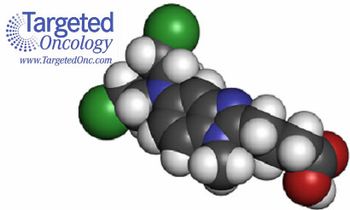
A rapid infusion formulation of bendamustine (Bendeka) has received FDA approval for the treatment of patients with CLL or indolent B-cell NHL that has progressed during or within 6 months of treatment with rituximab or a rituximab-containing regimen.
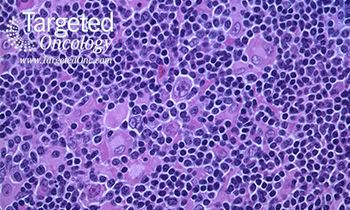
In this review, our authors discuss the mechanism of action and clinical development of various checkpoint inhibitors in lymphoma.

Leonard Saltz, MD, discusses VEGF inhibitors, their history and why oncologists might be overestimating the treatment.
David Steensma, MD, discusses how midostaurin could affect the treatment paradigm for acute leukemia. He says that while midostaurin is not currently approved by the FDA, studies show its potential usefulness when added to conventional induction platforms.

Ibrutinib (Imbruvica) saw over 80% response in patients with treatment-refractory Waldenstrom

Two CD19-targeted chimeric antigen receptor (CAR)-modified T-cell therapies showed complete response (CR) rates from 90% to 100% in patients with high-risk acute lymphoblastic leukemia (ALL), according to data from two studies presented during the 2015 ASH Annual Meeting.

Updated data shows chimeric antigen receptor (CAR)-modified T-cell therapies continue to remain effective for patients with non-Hodgkin lymphoma (NHL), according to findings presented at the 2015 ASH Annual Meeting.

Novel BCL-2 inhibitor venetoclax showed a near 80% overall response rate (ORR) in patients with chronic lymphocytic leukemia harboring a chromosome 17p deletion.
Srdan Verstovsek, MD, PhD, discusses the JAK2 inhibitor, as well as upcoming treatments like momelotinib and pacritinib, for the treatment of patients with myelofibrosis.

Ibrutinib reduced risk of death by 84% against chlorambucil in treatment-naive elderly patients with chronic lymphocytic leukemia, or small lymphocytic lymphoma.

Over one-third of patients with severe aplastic anemia has hematologic responses lasting at least 6 months when the oral thrombopoietin inhibitor eltrombopag was added to conventional immunosuppressive therapy, according to data from a prospective single-center phase II trial presented at the 57th ASH meeting.