





HEAD & NECK CANCERS
Latest News
Latest Videos
CME Content





























More News
Keith C. Bible, MD, PhD, professor of oncology, Mayo Clinic, discusses the challenges associated with treating patients with follicular cell-derived thyroid carcinoma.

Over the past few decades, the annual incidence of OPSCC has increased sharply in several countries, including in the United States.

Lily Kwatampora, MD, discusses the relationship between body composition and targeted therapies in patients with thyroid cancer.
Amgen and Kite Pharma have announced that they will collaborate on the development of novel CAR T-cell immunotherapies, with Amgen providing cancer targets and Kite offering its engineered autologous cell therapy platform.
The anti-CD19 chimeric antigen receptor (CAR)-modified T-cell therapy CTL019 demonstrated a 92% complete response (CR) rate in pediatric patients with relapsed/refractory acute lymphoblastic leukemia (ALL).

The programmed death receptor-1 (PD-1) ligand, PD-L1, has become a viable target for immunotherapy in cancer, with multiple antibodies now in development.
Barbara Burtness, MD, discusses potential immunotherapy agents that may assist in the treatment of head and neck cancers.
As its CAR T cell and high-affinity TCR products continue to advance in clinical trials, Juno Therapeutics, Inc, filed a registration statement for an initial public offering (IPO) of its common stock on November 17.
Recent news stories profiling a cancer patient whose last hope rests on treatment by injections of the virus that causes AIDS may have created some misconceptions regarding a new cancer immunotherapy.

Peter Hammerman, MD, PhD, assistant professor of medicine, Harvard Medical School, Dana-Farber Cancer Institute, discusses the future treatment of squamous cell lung cancer.

Brittany N. Bohinc, MD, Division of Endocrinology, Duke University, discusses the potential to use LGR5 as a biomarker in papillary thyroid cancer.
Both HPV-positive and -negative head and neck cancers are “outstanding candidates for immunotherapeutic strategies,†said Andrew G. Sikora, MD, PhD, Baylor College of Medicine, at the 2014 Chemotherapy Foundation Symposium.

The FDA has expanded the approval of Lymphoseek (technetium Tc 99m tilmanocept) injection to include sentinel lymph node (SLN) detection for breast cancer and melanoma as well as lymphatic mapping in solid tumors.
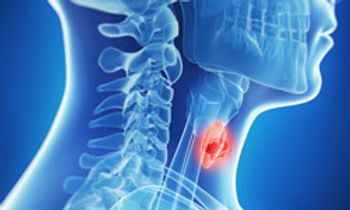
While medullary thyroid cancer (MTC) is an uncommon malignancy, accounting for about 5% of thyroid cancers, progressive forms of the disease are poorly responsive to chemotherapy and radiation.

Afatinib delayed disease progression for approximately one month longer than chemotherapy and helped prevent painful symptoms from worsening for patients with relapsed or metastatic head and neck squamous cell carcinoma.

Barbara Burtness, MD, discusses immune checkpoint inhibitors for head and neck cancers.
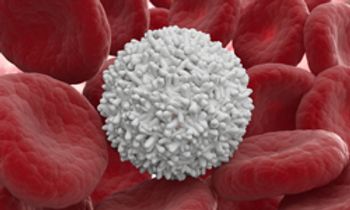
A randomized, open-label study is currently under way to test the safety and efficacy of the novel immunoadjuvant, Multikine, in patients with head and neck cancer.

The protein kinase, Wee1, has been identified as a novel therapeutic target for p53-mutant head and neck squamous cell carcinoma (HNSCC).

Expression of the EGFR and its ligand transforming growth factor alpha occurs early in the carcinogenesis of squamous cell carcinoma of the head and neck (SCCHN).
Lori J. Wirth, MD, medical director, Center for Head and Neck Cancers, Massachusetts General Hospital, assistant professor, Harvard Medical School, discusses areas of unmet need in the field of thyroid cancer.
Ezra Cohen, MD, professor of medicine, UC San Diego Moores Cancer Center, discusses immunotherapy in head and neck cancer.

Although prognostic biomarkers have become increasingly important in the treatment of many types of cancer, no such markers have yet been identified and validated for thyroid cancer.

A better understanding of the molecular pathways that confer resistance to RAI in the treatment of differentiated thyroid cancer has led to success in targeting the VEGF and the VEGF receptor pathways.

Martin Schlumberger, MD, Institut Gustave Roussy, Villejuif Cedex, professor of oncology, University Paris-Sud, France, discusses the takeaway points for a community oncologist from the SELECT trial.

Targeted therapies, including TKIs, are increasingly being investigated in head and neck cancers, including RM-SCCHN and advanced thyroid cancers.