

HEAD & NECK CANCERS
Latest News
Latest Videos




CME Content





























More News

With the incidence of HPV-positive oropharyngeal cancers on the rise, researchers are currently seeking less intense treatment options that combine effectiveness and low toxicity for patients.
The kinase inhibitors sorafenib (Nexavar) and lenvatinib (Lenvima) have significantly altered the treatment paradigm for patients with advanced radioactive iodine (RAI)-refractory differentiated thyroid cancer in both older and younger populations, with combination strategies hoping to further build upon this success.
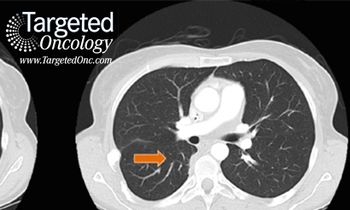
Treatment of certain head and neck cancers may soon be fundamentally transformed through the use of molecular diagnostics to dissect essential oncogenic driver pathways, and ultimately to identify targeted therapies that specifically inhibit them.

Michael Baumann, MD, Professor of Radiation Oncology, Director University of Dresden Cancer Center in Dresden, Germany discusses the DDFMISO-trial, which investigated hypoxia-specific PET imaging during radio-chemotherapy for locally advanced head-and-neck cancer.

Over a fifth of patients with previously treated advanced nasopharyngeal carcinoma showed a measureable response, when treated with pembrolizumab, an immune checkpoint inhibitor.

An experimental immunotherapy for human papillomavirus-, or HPV-, related throat cancers, which is driven by the Listeria bacteria (that wreaks havoc when ingested), may now move forward.
Abstracts highlighting the latest clinical data on lenvatinib are expected at the 2015 European Cancer Congress in Vienna, Austria.

The attenuated vaccinia virus, GL-ONC1, demonstrated safety and clinical benefit when delivered intravenously with concurrent chemoradiation therapy in patients who have locoregionally advanced head and neck carcinoma (LA-HNC).

Matthew H. Taylor, MD, Oregon Health and Science University, discusses the toxicities and impact of lenvatinib in the SELECT trial, which treated patients with 131I-refractory differentiated thyroid cancer.

Sonidegib (Odomzo) was approved by the EC for the treatment of patients who have locally advanced basal cell carcinoma (laBCC) and are not amenable to curative surgery or radiation therapy.

AstraZeneca’s MedImmune has entered into a licensing agreement and collaboration with Inovio Pharmaceuticals, whereby MedImmune was given exclusive rights to Inovio’s INO-3112 immunotherapy.

Tanguy Seiwert, MD, assistant professor of medicine, associate leader, Head and Neck Cancer Program, University of Chicago, discusses the significance of pembrolizumab in head and neck cancer.

Trisha Wise-Draper, MD, PhD, assistant professor, University of Cincinnati, discusses the quality of life (QOL) as a predictor of clinical outcome in patients with head and neck cancer (HNC).

Shirish Gadgeel, MD, Barbara Ann Karmanos Cancer Institute, discusses a phase III study examining afatinib versus erlotinib as a second-line treatment of patients with advanced squamous cell carcinoma (SCC) of the lung following first-line platinum-based chemotherapy.
The anti-PD-1 antibody pembrolizumab produced broad and durable responses in patients with recurrent/metastatic head and neck squamous cell carcinoma.

Despite their promise, checkpoint inhibitors are not effective in every patient, and research suggests the STING (stimulator of interferon genes) pathway may hold important clues as to why some tumors fail to respond.

Growth in healthcare spending in the United States continues to outpace growth in European countries that enjoy a similar standard of living.

Dinutuximab (Unituxin) has been approved by the FDA in combination with interleukin-2, granulocyte-macrophage colony-stimulating factor (GM-CSF), and isotretinoin as a frontline therapy for pediatric patients with high-risk neuroblastoma.

On February 13, 2015, the FDA approved lenvatinib for treatment of locally recurrent or metastatic differentiated thyroid cancer that is refractory to radioactive iodine therapy.

In an analysis of adverse events following treatment of patients with advanced melanoma with ipilimumab and nivolumab, combination therapy was associated with a 22% incidence of either thyroiditis or hypothyroidism and a 9% incidence of hypophysitis.

R. Michael Tuttle, MD, discusses a study that looked at augmenting pre-operative risk of recurrence stratification in differentiated thyroid carcinoma.
The FDA has granted rindopepimut (Rintega) a Breakthrough Therapy Designation for the treatment of adult patients with glioblastoma multiforme (GBM) that test positive for the epidermal growth factor receptor (EGFR) variant (EGFRvIII).
The FDA has approved lenvatinib (Lenvima) as a treatment for patients with progressive, radioactive iodine (RAI)-refractory differentiated thyroid cancer (DTC).

Representatives Diana DeGette (D, Colorado) and Fred Upton (R, Michigan) recently released a "discussion draft" of the 21st Century Cures Act.

TKIs have been an invaluable addition to the treatment of thyroid cancers, including medullary thyroid cancer, but adverse events must be effectively monitored and managed.