

CAR T-Cell Therapy
Latest News
Latest Videos

CME Content





























More News
The off-the-shelf CAR T-cell therapy ALLO-715, which targets BCMA, demonstrated responses as treatment of patients with heavily pretreated relapsed/refractory multiple myeloma in a first-in-human clinical trial.

Loretta J. Nastoupil, MD, discusses the use of off-the-shelf chimeric antigen receptor T-cell products for the treatment of patients with diffuse large B-cell lymphoma and other cancers.
Chimeric antigen receptor T-cell therapy with the novel agent CTX110 showed promising early efficacy and safety as treatment of patients with relapsed or refractory CD19-positive B-cell malignancies who were treated in the phase 1 CARBON clinical trial.
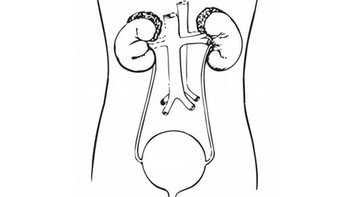
CART-PSMA-TGFβRd as adoptive chimeric antigen receptor T-cell therapy administered as treatment of patients with metastatic castration-resistant prostate cancer appears safe and feasible.

Natalie S. Callander, MD, discusses the role of CAR T-cell therapy as treatment of patients with multiple myeloma.
In the past 5 years, 3 new options have emerged to treat patients with relapsed/ refractory acute lymphoblastic leukemia, providing hope for patients with this disease but also raising clinical questions.

The FDA granted Orphan Drug designation to the humanized anti-claudin18.2 autologous chimeric antigen receptor T-cell agent, CT041, for the treatment of patients with gastric and gastroesophageal junction adenocarcinoma.

In an interview with Targeted Oncology, Tanja Gruber, MD, PhD, discussed the advances she has observed in recent years for the treatment of pediatric patients, including the evolving role of CAR T-cell therapy.

C. Ola Landgren, MD, PhD, discusses what is next for chimeric antigen receptor T-cell therapy in the multiple myeloma landscape.

During a presentation at the 2020 Society of Hematologic Oncology Virtual Annual Meeting, Andrzej Jakubowiak, MD, PhD, reviewed clinical trials of CAR T-cell therapy in multiple myeloma and the emergence of CAR T cells against SMALF7, GPRC5D, and CD229.
In an interview with Targeted Oncology, David E. Gilham, PhD, discussed the findings from the single vector multiplexed short-hairpin RNA approach to concurrently knockdown the expression of multiple genes in chimeric antigen receptor T cells when used as treatment of patients with cancer.
A single-center experience demonstrated that certain pre- and post-treatment characteristics may predict outcomes for patients with diffuse large B-cell lymphoma following treatment with a chimeric antigen receptor T-cell therapy.
The FDA has granted a fast track designation to PBCAR0191, a CD19-directed allogeneic chimeric antigen receptor T-cell therapy, for the treatment of patients with advanced B-cell precursor acute lymphoblastic leukemia.
An investigator-initiated trial of a humanized CD19-directed chimeric antigen receptor T-cell therapy has been completed, demonstrating the therapy may be a safe and effective treatment for patients with hematologic malignancies.
Ibrutinib during CAR T-cell culture improved the yield and function of CAR T-cell products as treatment of patients with chronic lymphocytic leukemia.

"These data are significant, as they demonstrate that CAR T-cell therapy may be a safe and effective treatment option for patients with Hodgkin lymphoma and potentially other lymphomas expressing the CD30 antigen."

Tisagenlecleucel, a chimeric antigen receptor T-cell therapy, showed evidence of clinical benefit for patients with relapsed or refractory follicular lymphoma, in terms of complete response rate, meeting the primary end point of the phase 2 ELARA clinical trial.
Axicabtagene ciloleucel demonstrated a similar overall response rate in both the trial and non-trial settings as treatment of patients with relapsed or refractory large B-cell lymphoma.
Jae H. Park, MD, discusses the role of chimeric antigen receptor T-cell therapy in leukemias and how he sees this treatment evolving in the coming years.
Chimeric antigen receptor T-cell therapy when administered to patients with non-follicular low-grade lymphoma may experience different efficacy outcomes than patients with aggressive B-cell lymphomas, according to a single-institution retrospective data.

The FDA has placed a clinical hold on the MELANI-01 clinical trial evaluating UCARTCS1A, a chimeric antigen receptor T-cell therapy.
Breakthrough data for systemic therapies in the treatment of various hematologic malignancies impressed attendees at the American Society of Clinical Oncology 2020 Virtual Scientific Program.
Liso-cel administration in the outpatient setting was implemented successfully in 3 clinical trials at academic and nonacademic medical centers.
In an interview with Targeted Oncology, Prasad S. Adusumilli, MD, FACS, discussed how CAR T-cell therapy could play a role in the treatment of solid tumors. He highlighted the current research and next steps planned to move this cellular therapy into the solid tumor treatment landscape.
A novel CD22-targeted/4-1BB product achieved a high complete response rate in patients with relapse or refractory CDD22-positive cancers.