




CAR T-Cell Therapy
Latest News
Latest Videos


CME Content





























More News

Idecabtagene vicleucel is now an available treatment option for some patients with relapsed or refractory multiple myeloma who are being treated at Seattle Cancer Care Alliance.

The FDA has granted a fast track designation to the autologous chimeric antigen receptor T-cell agent, AIC100, for the treatment of patients with anaplastic thyroid cancer and refractory poorly differentiated thyroid cancer.

The first patient has been dosed in a study designed to evaluate the safety and feasibility of IL13Rα2 chimeric antigen receptor T cell therapy for the treatment of leptomeningeal brain tumors, such as glioblastoma, ependymoma, and medulloblastoma.
Patients with relapsed or refractory aggressive large B-cell lymphoma showed promising results from the administration of lisocabtagene maraleucel in both inpatient and outpatient non–university hospital settings.
Two newly-approved CAR T-cell agents are now being used to treat patients with relapsed/refractory non-Hodgkin lymphoma and multiple myeloma at University Hospitals in Ohio.

In an interview with Targeted Oncology, Bishop, discussed how CAR T cells have reshaped the treatment landscape, the future of their use, and their potential in solid tumors.

Michael Bishop, MD, discusses the investigations of and responses to chimeric antigen receptor T-cell therapy in different disease types.

The FDA has removed the clinical hold on the investigational new drug application of NL-201, a treatment for relapsed or refractory tumors, allowing a phase 1 clinical trial to begin.
In an interview with Targeted Oncology, Scott R. Solomon, MD, a medical oncologist with the Blood and Marrow Transplant Program, Leukemia and Cellular Immunotherapy Program at the Northside Hospital Cancer Institute, discussed the efficacy of liso-cel in large B-cell lymphoma patients with prior anti-CD19 exposure and future research.
When given at the recommended phase 2 dose, lenzilumab in combination with taxicabtagene ciloleucel, induced a 100% objective response rate while showing no severe cytokine release syndrome cases or severe neurotoxicity in patients with relapsed or refractory diffuse large B-cell lymphoma.
The FDA has granted a regenerative medicine advanced therapy designation to the allogeneic chimeric antigen receptor T-cell therapy ALLO-715 for the treatment of relapsed or refractory multiple myeloma,.

Chimeric antigen receptor T-cell therapy mediates antigen-dependent and -independent antitumor effects, and CAR T-cell activation of host antitumor immunity is critical for productive solid tumor CAR T immunotherapy.

Scott R. Solomon, MD, discusses the adverse events and pharmacokinetics of lisocabtagene maraleucel in 12 patients with relapsed/refractory large B-cell non-Hodgkin lymphoma who had previously received anti-CD19 therapy.
In an interview with Targeted Oncology, Maria Lia Palomba, MD, a hematologic oncologist at Memorial Sloan Kettering Cancer Center, discussed the efficacy and safety of liso-cel in patients with R/R MCL as observed in the phase 1 TRANSCEND NHL 001 study.

Administering corticosteroids prior to chimeric antigen receptor T-cell therapy with axicabtagene ciloleucel in adult patients with relapsed or refractory large B-cell lymphoma may positively impact the benefit/risk profile of axi-cel treatment.
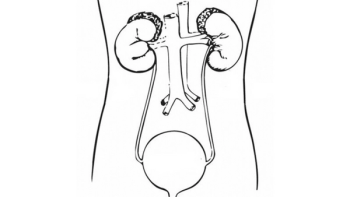
Tanya B. Dorff, MD, a medical oncologist at the City of Hope Cancer Center, discusses the reasoning behind using PSCA-targeted chimeric antigen receptor T-cell therapy and the design of this early study in an interview with Targeted Oncology.

Sairah Ahmed, MD, discusses the continued investigations of axicabtagene ciloleucel, a chimeric antigen receptor T-cell therapy used in multiple types of lymphoma.
The FDA has granted an accelerated approval to axicabtagene ciloleucel for the treatment of adult patients with relapsed or refractory follicular lymphoma who have received 2 or more prior lines of systemic therapy.
Full results from the phase 2 KarMMa trial decabtagene vicleucel show the promise of idecabtagene vicleucel in relapsed and refractory multiple myeloma.
Yi Lin, MD, PhD, explains the potential impact the approval of idecabtagene vicleucel could bring to the multiple myeloma field.
For the treatment of relapsed or refractory aggressive B-cell lymphomas, chimeric antigen receptor–modified T-cell therapy is becoming more widely used. Still, little is known about outcomes for patients who receive CAR-modified T-cell therapy beyond 2 years.
Data from patients with relapsed/refractory diffuse large B-cell lymphoma treated with axicabtagene ciloleucel showed that post-chimeric antigen receptor T outcomes may not correlate with responsiveness observed with treatment received immediately prior.
During a Targeted Oncology Case-Based Peer Perspectives virtual event, Jason Westin, MD, MS, evaluated the management of a 63-year-old patient with diffuse large B-cell lymphoma.

Nina Shah, MD, discusses the potential role of idecabtagene vicleucel as treatment of patients with multiple myeloma.
During a Targeted Oncology Case-Based Peer Perspectives event, Haifaa Abdulhaq, MD, director, Hematology, and associate clinical professor of Medicine at UCSF Fresno discussed the case of a 63-year-old patient with lymphoma with concurrent MYC and BCL2 rearrangements.