
A 6-month complete response predicts improved long-term survival in high-risk large B-cell lymphoma patients treated with axicabtagene ciloleucel.
A 6-month complete response predicts improved long-term survival in high-risk large B-cell lymphoma patients treated with axicabtagene ciloleucel.
Epcoritamab combined with rituximab and lenalidomide shows remarkable efficacy in treating relapsed follicular lymphoma, setting a new standard of care.

Sacituzumab tirumotecan significantly improves progression-free survival in EGFR-mutated non-small cell lung cancer compared to traditional chemotherapy.
Tarlatamab combined with frontline chemoimmunotherapy shows promising safety and efficacy in extensive-stage small cell lung cancer patients.
Alectinib shows promising long-term survival benefits over crizotinib in advanced ALK-positive lung cancer, highlighting significant clinical advancements.

New trial results reveal BGB-16673's promising safety and efficacy in treating relapsed CLL/SLL, showing significant antitumor activity across diverse patient profiles.
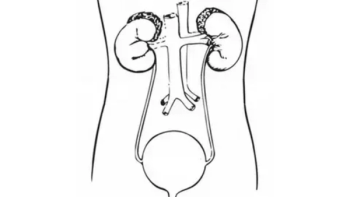
UGN-102 shows promising results in treating recurrent low-grade, intermediate-risk bladder cancer, with high response rates and manageable side effects.

Combination therapy with BPd shows significant progression-free survival benefits in relapsed/refractory multiple myeloma patients with high-risk cytogenetic abnormalities.
Epcoritamab shows promising long-term remission and survival rates for relapsed/refractory large B-cell lymphoma, highlighting its potential in advanced treatment settings.
A novel combination therapy shows promise for advanced lung cancer patients resistant to standard treatments, offering hope for improved survival rates.
A single cilta-cel infusion led to 33% of heavily pretreated relapsed/refractory multiple myeloma patients remaining progression-free at 5+ years.
Relacorilant/nab-paclitaxel significantly improved PFS and OS vs nab-paclitaxel alone in platinum-resistant ovarian cancer.
Ribociclib combined with aromatase inhibitors shows significant survival benefits for early-stage hormone receptor-positive breast cancer, enhancing treatment outcomes across patient demographics.
Escalated adjuvant chemotherapy, guided by ctDNA, did not improve recurrence-free survival for stage III colon cancer patients, per DYNAMIC-III trial.

Ciltacabtagene autoleucel achieved a 100% complete response rate in patients with high-risk smoldering multiple myeloma, as reported in findings from a single-arm phase 2 trial.
Arlocabtagene autoleucel led to antitumor activity and an acceptable safety profile in heavily pretreated relapsed/refractory multiple myeloma, according to updated phase 1 trial data.

"[Patients with] mantle cell lymphoma in first complete response with undetectable MRD did not benefit from consolidative autologous transplant," said Timothy Fenske, MD, MS.
The bispecific T-cell engager epcoritamab demonstrated favorable efficacy outcomes with manageable toxicities in patients treated in the expansion and optimization cohorts of the EPCORE CLL-1 trial.
A LAG-3/PD-L1 bispecific antibody, FS188, showed a modest objective response rate in a small cohort of patients with relapsed/refractory diffuse large B-cell lymphoma.

A new study found that adding daratumumab to lenalidomide, bortezomib, and dexamethasone significantly improved outcomes for older patients with newly diagnosed multiple myeloma.

In a first-in-human trial, AMG 193, a drug targeting a specific mutation in tumors, showed promising results in reducing tumor size and spread in various cancers, with an acceptable safety profile.
Nivolumab, alone or with ipilimumab, significantly improved 10-year overall and melanoma-specific survival vs ipilimumab alone in advanced melanoma, according to final phase 3 CheckMate 067 trial data.
While the phase 3 ENGOT-en11/GOG-3053/KEYNOTE-B21 trial missed its end point of disease-free survival, benefits were still observed in the dMMR subgroup.

Golcadomide plus R-CHOP was well tolerated and demonstrated high metabolic response rates that were durable in patients with previously untreated a-BCL.

Acalabrutinib plus bendamustine and rituximab led to a 27% reduction in the risk of disease progression or death in the frontline setting for older patients with mantle cell lymphoma.

The combination of englumafusp alfa and glofitamab showed a BOR of 67.0% and CR rate of 57.0% in second-line settings. In third-line settings, the BOR was 65.7% and the CR rate was 52.8%.
ATO/ATRA plus idarubicin showed superior 2-year EFS (88% vs 70%) and 5-year EFS (87% vs 55%) compared to ATRA/chemotherapy. The trial indicated lower hematologic toxicity with ATO/ATRA, including reduced rates of thrombocytopenia and neutropenia.

Perioperative nivolumab led to a significant improvement in event-free survival in the phase 3 CheckMate 77T trial in patients with stage III N2 and stage III non-N2 non–small cell lung cancer.

September 20th 2020