





























Neurosurgeons at UC San Diego Health are making headway in a study of minimally invasive laser treatment of brain tumors focused on improving quality of life for patients who have been diagnosed with glioblastoma.
Neurosurgeons at UC San Diego Health are making headway in a study of minimally invasive laser treatment of brain tumors focused on improving quality of life for patients who have been diagnosed with glioblastoma.

Building on previous work showing increased NF-kB activity in lung cancers, one research team has recently published a study showing this activity is also enhanced in glioblastoma, one of the most lethal forms of human cancers.
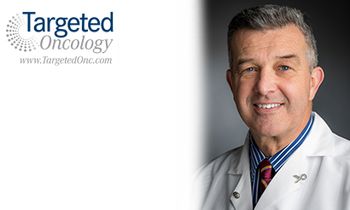
Rindopepimut is the first immunotherapy to have ever shown a survival benefit in brain cancers, specifically glioblastoma, said David Reardon, MD.
Developing safe and effective therapies for malignant brain tumors, specifically glioblastoma, is a challenging-yet-achieveable endeavor pursued by researchers and patients alike.

Optune in conjunction with chemotherapy and/or bevacizumab boosted survival rates in patients with recurrent glioblastoma multiforme.
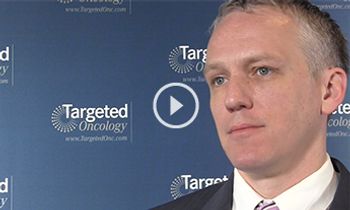
Rimas Lukas, MD, director, Medical Neuro-Oncology, co-director, Neurology Medical Student Clerkship Program, The University of Chicago Medical Center, on PD-L1 blockade treatment and its potential in patients with recurrent glioblastoma (GBM).

David Reardon, MD, clinical director, Center for Neuro-Oncology, Dana-Farber Cancer Institute, on the need to identify glioblastoma (GBM) patients with the EGFRvIII mutation in their tumor.
A team of scientists from Virginia Tech Carilion Research Institute and clinicians from Carilion Clinic may have found a way to increase sensitivity to the front-line chemotherapeutic agent temozolomide (TMZ) in glioblastoma (GBM), even after resistance.

Minesh Mehta, MBChB, talks about the recently FDA-approved Optune used to treat newly diagnosed glioblastoma. The device utilizes alternating electric fields to inhibit tumor cell growth.

Optune (NovoTTF-100A) in combination with adjuvant temozolomide has received FDA approval as a treatment for patients with newly diagnosed glioblastoma multiforme following surgery, chemotherapy, and radiation therapy.
AstraZeneca’s MedImmune has entered into a licensing agreement and collaboration with Inovio Pharmaceuticals, whereby MedImmune was given exclusive rights to Inovio’s INO-3112 immunotherapy.
An independent data safety and monitoring board has recommended continuation of the phase III ACT IV clinical trial of rindopepimut (Rintega) in patients with newly diagnosed glioblastoma multiforme.

David Reardon, MD, clinical director, Center for Neuro-Oncology, Dana-Farber Cancer Institute, and president, Society for Neuro-Oncology, discusses rindopepimut (CDX-110), a synthetic peptide vaccine, and its potential in brain cancer based on the results of the ReACT Trial.

Tumor treating fields (TTFields) significantly and consistently prolonged both progression free survival (PFS) and overall survival (OS) in a randomized, phase III trial of patients with glioblastoma.
Low-dose bevacizumab combined with lomustine has no significant effect on progression-free survival (PFS) or overall survival (OS) compared with standard-dose bevacizumab alone in patients with recurrent glioblastoma, according to results from a randomized phase II study.
A reanalysis of a phase III clinical trial in glioma patients confirms that there is no difference for a radiotherapy-first versus a chemotherapy-first strategy, but there is a major difference in long-term outcomes for molecular stratification independent of treatment.
Targeted Oncology spoke with David Reardon, MD, clinical director, Center for Neuro-Oncology, Dana-Farber Cancer Institute, president of the Society for Neuro-Oncology, and lead author on the ReACT trial to better understand the significance of the study results for patients with glioblastoma.

Kurt Jaeckle, MD, professor of neurology and oncology, Mayo Clinic, discusses radiosurgery versus radiotherapy followed by whole brain radiation for brain metastases.
Results from a genomic and molecular analysis presented at the 2015 ASCO Annual Meeting and published in Acta Neuropathology indicate that low-grade gliomas may be classified into three distinct prognostic categories based on genomic data.
An analysis of three interrelated biomarkers in high-risk low-grade glioma has identified distinct risk groups by isocitrate dehydrogenase mutation status and suggested appropriate treatment strategies.

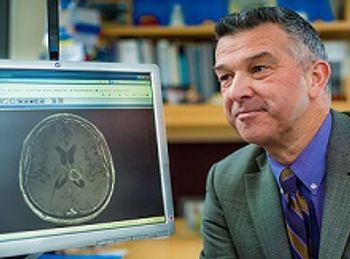

Adding the immunotherapeutic vaccine, rindopepimut to bevacizumab may help boost survival in patients with a genetic subtype of glioblastoma associated with poor outcomes.

Despite their promise, checkpoint inhibitors are not effective in every patient, and research suggests the STING (stimulator of interferon genes) pathway may hold important clues as to why some tumors fail to respond.
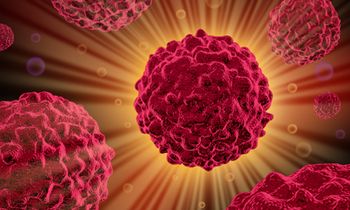
Cancer proliferates when a rogue, transformed cell wins a sophisticated hide-and-seek game against the immune system. Immunotherapy activates the patient’s immune system to recognize and fight the tumor cells.