Bladder Cancer
Latest News


Prior Pelvic Radiation Linked to Higher Complications After Bladder Cancer Surgery
By Russ Conroy
Latest Videos






CME Content

























More News
Mark Tyson, MD, MPH, discusses practice-changing data from the phase 3 BOND-003 study.

ENVISION trial 18-month data show UGN-102 yielded a high initial complete response (79.6%) in recurrent low-grade intermediate-risk NMIBC, with 80.6% maintaining response. The gel formulation with mitomycin offers a nonsurgical chemoablation with favorable tolerability.
Phase 2b SunRISe-1 data showed TAR-200 monotherapy achieved an 82.4% complete response rate in BCG-unresponsive, high-risk NMIBC with CIS. The 12-month CR rate was 45.9%, with durable responses and manageable safety. An FDA application is under review.
TAR-200 showed durable disease-free survival in high-risk, BCG-unresponsive papillary NMIBC in SunRISe-1, with high 6/9-month DFS rates and a low cystectomy rate.

Felix Guerrero-Ramos, MD, PhD, discusses findings from cohort 4 of the phase 2 SunRISe-1 trial of TAR-200 in patients with high-risk, BCG-unresponsive NMIBC with papillary-only disease.
Oncologists at AUA 2025 share promising data, including sasanlimab, cretostimogene grenadenorepvec, and TAR-200 in NMIBC.
Combining the antibody-drug conjugate disitamab vedotin with BCG elicited a high complete response rate in patients with HER2-expressing, high-risk NMIBC.
Long-term data from QUILT-3.032 showed that NAI plus BCG shows sustained responses in BCG-unresponsive bladder cancer with 84% cystectomy avoidance at 36 months.
Cretostimogene showed high and durable responses in heavily pretreated BCG-unresponsive NMIBC with CIS in a phase 3 trial. Well-tolerated with minimal high-grade TRAEs.
Joseph Jacob, MD, discusses data from the phase 2b SunRISe-1 study, cohort 2, evaluating TAR-200 in BCG-unresponsive high-risk NMIBC with carcinoma in situ.
Enfortumab vedotin plus pembrolizumab followed by surgery showed high complete response rates in advanced urothelial cancer.
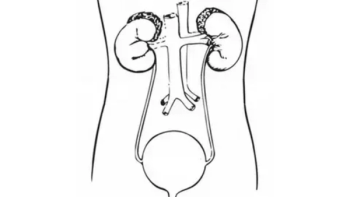
The gene therapy nadofaragene firadenovec demonstrated strong clinical activity in Japanese patients with BCG-unresponsive non–muscle-invasive bladder cancer.

This approval of durvalumab marks the first and only perioperative immunotherapy regimen available in muscle-invasive bladder cancer.
Belzupacap sarotalocan showed rapid immune activation and a favorable safety profile as a treatment for non–muscle-invasive bladder cancer.

Petros Grivas, MD, PhD, discusses challenges in cancer care in the bladder cancer setting.
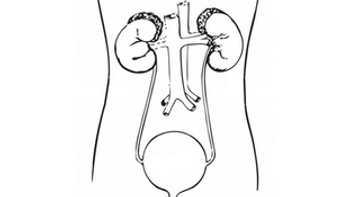
A propensity-score matched cohort study found a significantly reduced risk of recurrence of bladder cancer in patients who had blue light vs white light cystoscopy.
An expanded access program evaluating cretostimogene grenadenorepvec was highlighted during the 25th Annual Meeting of the Society of Urologic Oncology.
Jason M. Hafron, MD, CMO, discusses recent approvals in the non–muscle-invasive bladder cancer space and data from several clinical trials evaluating agents for bladder cancer.
Treatment of unresponsive non–muscle-invasive bladder cancer with nadofaragene firadenovec showed a 66% chance of survival and cystectomy-free status at 60 months.
Given different scientific and clinical meeting schedules, considering advances in genitourinary oncology in novel therapies is relevant.
In separate, live virtual events, David H. Aggen, MD, PhD; and Matthew R. Zibelman, MD, discussed the case of a patient with urothelial carcinoma and potential treatment options.
Avelumab plus best supportive care improved survival vs best supportive care alone in advanced urothelial carcinoma, regardless of diabetes status.
Enfortumab Vedotin Improves Outcomes in Advanced Urothelial Cancer
Published: | Updated:
Third-line enfortumab vedotin improved outcomes in metastatic urothelial carcinoma, per real-world data from the EV-301 trial.
Enfortumab vedotin plus pembrolizumab doubled progression-free survival vs chemotherapy in urothelial cancer.
Datopotamab deruxtecan showed promising activity in advanced urothelial cancer in a phase 1 study.