
Bladder Cancer
Latest News


Consistent Findings of Avelumab Maintenance for Metastatic Urothelial Carcinoma Shown in Real-World Data
By Ryan Scott
Latest Videos

CME Content

























More News

Extended follow-up findings of the phase 3 CheckMate 274 study further support the use of nivolumab as a standard of care in high-risk muscle-invasive urothelial carcinoma following radical resection.
Pembrolizumab generated antitumor activity in patients with BCG-unresponsive, papillary high-risk non–muscle-invasive bladder cancer, according to cohort B of the phase 2 Keynote-057 trial.
Sacituzumab govitecan-hziy demonstrated a promising objective response rate in platinum-ineligible patients with metastatic urothelial cancer after progression on an immune checkpoint inhibitor.
Tumor mutation burden was linked with improved survival while some alterations were linked with inferior outcomes from treatment with enfortumab vedotin for urothelial carcinoma.
Findings from the phase 2 HCRN GU 16-257 trial may help advance a more personalized approach to the management of muscle-invasive bladder cancer.

Guru P. Sonpavde, MD, discusses The Cancer Genome Atlas and key takeaways for community oncologists.
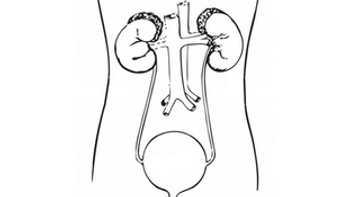
The phase 1 dose-escalation portion of a phase 1/2 trial evaluating BT8009 in patients with urothelial cancer led to promising overall response and clinical benefit rates, including 1 complete response at the 5 mg/m2 dose.
The phase 1/2 LUMINOS-103 trial will evaluate the intravesical instillation of lerapolturev in a cohort of patients with non-muscle-invasive bladder cancer.
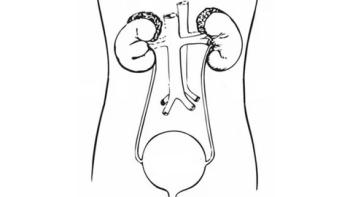
In an interview with Targeted Oncology, Thomas Flaig, MD, further discussed the updates to the 2022 NCCN guidelines for patients with bladder cancer and explained how the field has evolved over the past few years.

Thomas Flaig, MD, discusses some of the updated and current NCCN guidelines for patients with bladder cancer.
Dr Matthew Galsky contemplates how he would use immunotherapy in patients with MIBC, if it were available for use in both the neoadjuvant and adjuvant setting.
Matthew Galsky, MD, highlights some remaining unmet needs for patients with MIBC, and currently ongoing clinical trials in the neoadjuvant MIBC treatment setting that excite him.
Dr Matthew Galsky explains the adjuvant therapy regimen he would have recommended for the patient with MIBC from the presented case, and whether patient preference factors into his decisions in clinical practice.
Matthew Galsky, MD, explains safety and efficacy data from the CheckMate 274 trial, which led to the FDA approval of adjuvant nivolumab for patients with MIBC, and highlights important data updates from recent conferences.
Dr Matthew Galsky reviews the available adjuvant therapy options for patients with stage II or III MIBC who previously underwent bladder removal surgery.
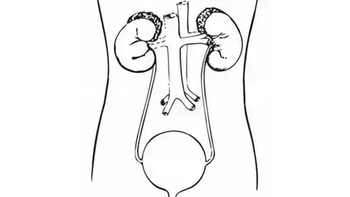
During a Targeted Oncology case-based roundtable event, Helen Moon, MD, discussed with participants their approaches to metastatic bladder cancer and immunotherapy in the switch maintenance setting.
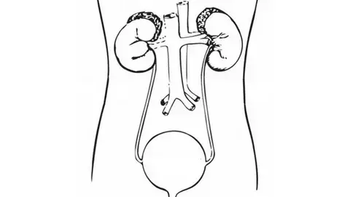
A Nectin-4–directed drug received FDA Fast Track Designation based on preclinical and clinical data showing potential efficacy and safety in patients with locally advanced or metastatic urothelial cancer.

For patients with locally advanced or metastatic urothelial cancer, the FDA has accepted for priority review supplemental biologics license applications for enfortumab vedotin-ejfv and pembrolizumab.
Patients with low-grade upper tract urothelial cancer elicited a clinical benefit at the end of the phase 3 OLYMPUS study when treated with UGN-101.
The phase 1 INSIGHT-005 trial will further evaluate the combination of eftilagimod alpha and avelumab in patients with metastatic urothelial cancer.
New phase 3 data has led to Genentech removing the US indication of atezolizumab for treatment of patients ineligible for cisplatin chemotherapy with metastatic urothelial carcinoma.
During a Targeted Oncology case-based roundtable event, Daniel Petrylak, MD, discussed with participants the case of a patient with bladder cancer who has lung metastases and significant pulmonary comorbidities.
Results from the ARIES trial continue to show the benefit of avelumab monotherapy as a first-line drug for patients with metastatic urothelial cancer with PD-L1 expression.
During a Targeted Oncology case-based roundtable event, Pedro Barata, MD, MSc, discussed with participants their approaches to therapy for a patient whose bladder cancer progresses after receiving chemotherapy and immunotherapy.

Joshua J. Meeks, MD, discusses investigational targets in the bladder cancer space.