
Long-term data confirms early rituximab significantly delays new treatment for advanced, asymptomatic, low-burden follicular lymphoma compared to watchful waiting. Maintenance rituximab showed no added benefit over induction alone.
Tony Berberabe, MPH, is the assistant managing editor for Targeted Therapies in Oncology. Berberabe received his Bachelor of Arts in Biology from Rutgers University and his Master of Public Health from the University of Medicine and Dentistry in New Jersey. He covers genitourinary cancers and myeloproliferative neoplasms. Contact him at aberberabe@targetedonc.com.
Long-term data confirms early rituximab significantly delays new treatment for advanced, asymptomatic, low-burden follicular lymphoma compared to watchful waiting. Maintenance rituximab showed no added benefit over induction alone.
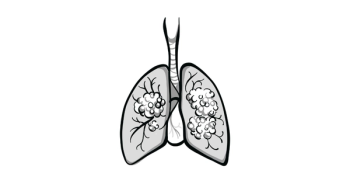
For patients with EGFR-mutated NSCLC, treatment options in the frontline include osimertinib monotherapy, amivantamab with lazertinib, and osimertinib combined with platinum-doublet chemotherapy.

Telisotuzumab vedotin plus osimertinib demonstrated safety and efficacy in patients with c-MET protein overexpression.

T-DXd monotherapy and T-DXd plus pertuzumab continue to show robust efficacy in HER2-positive metastatic breast cancer.


Panitumumab combined with FOLFOX improves survival and reduces recurrence in RAS/BRAF wild-type locally advanced colon cancer.
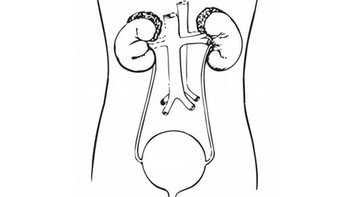
Talazoparib plus enzalutamide significantly delayed the deterioration of global health status and quality of life in patients with mCRPC in the TALAPRO-2 study.

LBL-007 plus toripalimab showed manageable safety and favorable response in advanced solid tumors, notably higher in IO-naive nasopharyngeal carcinoma. Higher LAG-3 was linked to better responses.

Runimotamab plus trastuzumab resulted in positive clinical activity and tolerability over runimotamab alone in patients with HER2-positive breast cancer.

A phase 2 study showed that giving maintenance regorafenib could delay disease progression in patients with non-adipocytic soft tissue sarcomas.

Long-term data from QUILT-3.032 showed that NAI plus BCG shows sustained responses in BCG-unresponsive bladder cancer with 84% cystectomy avoidance at 36 months.

Patients with metastatic colorectal cancer who received frontline immune checkpoint inhibitor therapy had positive OS rates and durable responses vs chemotherapy alone.

Before the emergence of data from the SUNLIGHT trial, there were only 2 options for therapy in advanced colorectal cancer: trifluridine/tipiracil and regorafenib.
Rapid breast cancer research offers new hope, as discussed by Joyce O’Shaughnessy, MD, regarding HR+/HER2– and HER2+ disease.

A study in Nature Communications found that older cancer patients have similar outcomes with immune checkpoint inhibitors as younger patients, despite having different baseline immune profiles, suggesting potential for age-tailored therapies.

The AERIAL trial will assess LEU011, which has MHRA Innovation Passport status, for solid tumors, a challenging area compared with hematologic cancers.

A small papillary thyroid cancer study demonstrates favorable outcomes and highlights the role of American Thyroid Association risk stratification.

The precise use of immunotherapy agents in locally advanced head and neck squamous cell carcinoma has not been clearly delineated, even in phase 3 trials.

A real-world study has reinforced the efficacy and safety of teclistamab in heavily pretreated patients with relapsed/refractory multiple myeloma.
As the US faces a growing shortage of oncologists, the American Society of Clinical Oncology has efforts to attract medical students to the field.

AFM13-NK combo shows high response rates in relapsed/refractory lymphoma trial, per survival data reported at 20 months.

Neoadjuvant immunotherapy shows antitumor activity in mismatch repair deficient/MSI gastric/gastroesophageal junction adenocarcinoma.

The impact of physical and nutritional rehabilitation post bone marrow transplant in patients with hematologic malignancies will be determined in the REBOOT trial.
Pembrolizumab and XL888 in advanced CRC showed manageable safety, though limited responses and potential immunomodulatory warrant further investigation.
A real-world study reveals the need for increased homologous repair deficiency and BRCA1/2 testing in patients with ovarian and breast cancers.

Investigators found that higher persistent PSA levels after surgery were linked to a worse prognosis, underscoring the importance of timing in post-operative care.

With changes in demographics and advancements in cancer care, the current oncologist workforce is expected to experience an imbalance in supply and demand.
Julie Gralow, MD, shed light on the factors contributing to the growing shortage of oncologists in the US and what can be done to address it.

Immunotherapy advances in triple-negative breast cancer drive personalized treatments with immune checkpoint inhibitors, aiding subtype identification and new combination therapy developments.