
Real-world research show the tolerability and effectiveness of trifluridine and tipiracil combined with bevacizumab for the treatment of patients with refractory metastatic colorectal cancer.
Tony Berberabe, MPH, is the assistant managing editor for Targeted Therapies in Oncology. Berberabe received his Bachelor of Arts in Biology from Rutgers University and his Master of Public Health from the University of Medicine and Dentistry in New Jersey. He covers genitourinary cancers and myeloproliferative neoplasms. Contact him at aberberabe@targetedonc.com.
Real-world research show the tolerability and effectiveness of trifluridine and tipiracil combined with bevacizumab for the treatment of patients with refractory metastatic colorectal cancer.


In an interview , Ali Zaidi, MD, discussed how the treatment landscape for patients with esophageal cancer has evolved over previous years and what research aims to look at in the near future.

A 5-year survival update of CheckMate 227 support the use of nivolumab plus ipilimumab in patients with advanced non–small cell lung cancer.

Although there have been major advances in treating CLL, the disease remains incurable in most cases, so there is room for improvement,

Investigators recommend that genomic testing be adopted to be a reflexive and natural step in evaluating patients with non–small cell lung cancer and colorectal cancer/

As the brentuximab vedotin plus AVD combination gains widespread use, clinicians should recognize the toxicities, such as the risk of neutropenic fever or peripheral neuropathy, according to Alison Moskowitz, MD.
Novel targets continue to emerge through clinical trials in peripheral T0cell lymphoma, in particular EZH 1 and EZH 2 inhibitors, which have strong single-agent efficacy.
Haris Ali, MD, explored the potential role of disease-modifying agents on transplant indications in this setting during the 10th Annual Meeting of the Society of Hematologic Oncology
Jennifer R. Brown, MD, PhD, understands that the goal for patients with cancer requires the highest standards of care, but delivering on that goal is a complicated clinical challenge.
Lionel Adès, MD, PhD, discussed emerging targeted therapies for myelodysplastic syndromes during a presentation at the 10th Annual Meeting of the Society of Hematologic Oncology.
Just as we were getting used to attending conferences via virtual platforms, SOHO 2022 kicks off as an in-person meeting.
Tyrosine kinase inhibitors now enjoy frontline approval, yet the role of interferon continues to be explored.

In LINKER-MM1 study, responses to REGN5458 occurred early, were durable, and deepened over time.

Although PD-L1 expression has limitations as a predictive biomarker, it has nonetheless driven clinical decision-making.
In the SIENDO clinical trials, selinexor show progression-free survival benefit in patients with select endometrial cancer subtypes.
Ajai Chari, MD, explains oncologists should expect from the upcoming 40th Annual CFS Innovative Therapy for Tomorrow.

A presentation by Richard S. Finn, MD, during the American Association for Cancer Research Special Conference, focused on phase 3 combination studies in that setting.
The superiority of the combination regimens for hepatocellular carcinoma treatment was demonstrated in results from the IMbrave150 and HIMALAYA trials, according to Josep M. Llovet, MD, PhD.

Findings from the ALCHEMIST trial indicate 53% of patients received adequate lymph node dissection and only 57% received adjuvant chemotherapy, despite indications for this treatment.

The phase 3 PADA-1 trial revealed a correlation between estrogen receptor- and progesterone receptor-positive metastatic breast cancer and prolonged progression-free survival.
Results from the DS8201-A-U105 study showed that nivolumab added to trastuzumab deruxtecan has some benefit for patients with HER2-positive breast cancer.
In the context of oncology, the use of artificial intelligence/machine learning has enabled the growth of precision medicine, helping clinicians increase efficiency and accuracy, according to Alexander S.Baras, MD, PhD.
According to study investigators, "the number of invited women panelists increased during the study period with a subsequent decrease in proportion of manels, there are topics/specialties where female representation remains stagnant."

Results from the KEYNOTE-826 trial showed that chemotherapy plus pembrolizumab with or without bevacizumab improved overall survival and progrssion-free survival in patients with metastatic cervical cancer based on subgroups including histology and prior treatment type.

Data showing the safety and efficacy of selpercatinib for patients with solid tumors continues to impress clinicians at the 2022 ASCO Annual Meeting.
An exploratory analysis of the phase 3 Study 309/KEYNOTE-775 trial evaluating the efficacy of next line of therapy showed clinically meaningful improvements in second progression-free survival and duration of the next line of therapy in patients with previously treated advanced endometrial cancer who received lenvatinib and pembrolizumab vs physician’s choice of chemotherapy.

In the EPCORE NHL-2 trial , epcoritamab therapy was manageable and achieved high rates of response in patients with high-risk diffuse large B-cell lymphoma.

At the upcoming 23rd Annual International Lung Cancer Congress®, Solange Peters, MD, PhD will be giving two presentation around relevant biomarkers in perioperative immunotherapy and the role of treatment agent sequencing in ALK-rearranged non–small cell lung cancer.
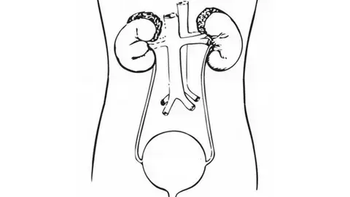
Thomas Flaig, MD, addressed new and emerging systemic therapies for bladder cancer during the National Comprehensive Cancer Network 2022 Annual Conference.