
Menin inhibitors emerge as a breakthrough in treating acute myeloid leukemia, showcasing promising results at the 2025 EHA Congress.
Tony Berberabe, MPH, is the assistant managing editor for Targeted Therapies in Oncology. Berberabe received his Bachelor of Arts in Biology from Rutgers University and his Master of Public Health from the University of Medicine and Dentistry in New Jersey. He covers genitourinary cancers and myeloproliferative neoplasms. Contact him at aberberabe@targetedonc.com.
Menin inhibitors emerge as a breakthrough in treating acute myeloid leukemia, showcasing promising results at the 2025 EHA Congress.

A phase 1/2 trial reveals sacituzumab tirumotecan shows manageable toxicity and promising antitumor activity in patients with advanced solid tumors.
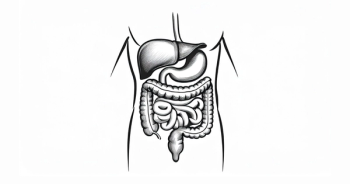
A study reveals real-world outcomes of neoadjuvant immune checkpoint inhibitors in nonmetastatic colon cancer, highlighting lower efficacy and increased toxicity.

FCARH143, a CAR T-cell therapy, delivered a 100% objective response rate in a phase 1 trial in patients with relapsed/refractory multiple myeloma.

Cabozantinib and atezolizumab improve progression-free survival in metastatic prostate cancer, offering hope for high-risk patients despite no overall survival benefit.

The oral casein kinase 1α and cyclin dependent kinase 7/9 inhibitor BTX A51 revealed a manageable safety profile in relapsed or refractory patients with AML or MDS.

A recent study characterized the expression of ADC targets across ovarian cancer histotypes. Findings suggest histotype-specific ADC utility, particularly for B7-H4 target.
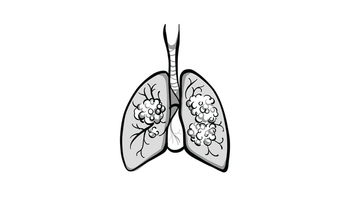
A multicenter study evaluating lurbinectedin in patients with extensive-stage small cell lung cancer who received second-line or later therapy demonstrated an objective response rate of 23.1% and a median overall survival of 5.4 months.

Tislelizumab combined with chemotherapy shows promising antitumor activity in advanced cervical cancer, achieving high response rates and manageable safety profiles.

Teclistamab shows promise for relapsed/refractory multiple myeloma patients with prior BCMA therapy, despite trends of reduced survival and response rates.

Innovative trispecific antibodies show promise in treating relapsed/refractory multiple myeloma and neuroendocrine carcinoma, enhancing patient outcomes and safety.

Final analysis of the INTRIGUE trial shows ripretinib offers similar survival rates and better safety compared to sunitinib for advanced GIST patients.

The PALMARES-2 trial reveals that abemaciclib and ribociclib outperform palbociclib in real-world progression-free survival for advanced breast cancer patients.


Discover the latest advancements in breast cancer treatment at the 24th Annual International Congress, featuring expert insights and groundbreaking research.
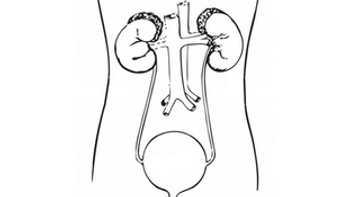
Innovative treatments for non–muscle-invasive bladder cancer emerge, focusing on bladder preservation and improved outcomes with novel therapies and active surveillance strategies.

A recent trial reveals that nivolumab combined with chemotherapy significantly improves survival rates in older patients with advanced Hodgkin lymphoma.
Explore the complexities of chronic GVHD symptoms, assessment, and innovative treatment strategies, including ruxolitinib and emerging therapies.

Recent advances in RAS-targeted therapies revolutionize treatment for gastrointestinal cancers, promising improved outcomes and new clinical strategies for oncologists.
A study reveals significant genomic differences in metastatic prostate cancer among veterans, highlighting the need for universal genomic testing for precision medicine.
Linvoseltamab plus bortezomib showed a manageable safety profile and 85% ORR in relapsed/refractory multiple myeloma, with few discontinuations.
The CAPTIVATE trial reveals long-term survival benefits of fixed-dose ibrutinib plus venetoclax for chronic lymphocytic leukemia patients, including high-risk groups.
A groundbreaking telehealth trial offers remote access to innovative pancreatic cancer treatment, enhancing patient participation and care coordination nationwide.

Olaparib and radium-223 bested radium-223 alone in radiographic progression-free survival in men with castration-resistant prostate cancer.
The first-line regimen of disitamab vedotin, toripalimab, and trastuzumab revealed superior efficacy and response rates vs disitamab vedotin, toripalimab, and chemotherapy in HER2-expressing locally advanced or metastatic G/GEJ cancer.
Patients with BRCA-altered uterine leiomyosarcoma treated with PARP inhibitors demonstrated encouraging outcomes.