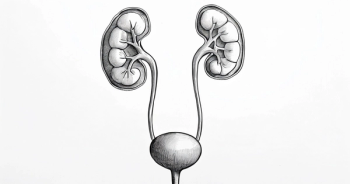
Explore the evolving role of medical oncologists in treating non–muscle invasive bladder cancer with innovative immunotherapy options and trial insights.
Tony Berberabe, MPH, is the assistant managing editor for Targeted Therapies in Oncology. Berberabe received his Bachelor of Arts in Biology from Rutgers University and his Master of Public Health from the University of Medicine and Dentistry in New Jersey. He covers genitourinary cancers and myeloproliferative neoplasms. Contact him at aberberabe@targetedonc.com.
Explore the evolving role of medical oncologists in treating non–muscle invasive bladder cancer with innovative immunotherapy options and trial insights.
Research highlights promising advancements in renal cell carcinoma treatments, focusing on HIF-2α inhibitors and combination therapies for improved patient outcomes.
Recent trials at ESMO Congress 2025 clarify treatment options for metastatic renal cell carcinoma, highlighting promising combinations and emerging therapies.

Novel approaches in MDS focus on HMA doublets, but transplant remains the only curative option to date.

The identification of biomarkers in frontline diffuse large B-cell lymphoma (DLBCL) is ramping up with interest in exploring cell of origin.

Novel therapies, combinations, and investigational treatments are expanding options and show promise in locally advanced metastatic pancreatic cancer.

Sirexatamab combined with bevacizumab shows promise in improving survival for DKK1-high metastatic colorectal cancer patients, according to recent trial results.
New research reveals enzalutamide combined with leuprolide significantly enhances survival rates in high-risk prostate cancer patients, setting a new standard of care.
New research suggests using mpMRI for bladder cancer staging improves survival rates, potentially changing standard diagnostic practices.
Acalabrutinib combined with lenalidomide and rituximab shows promising results as a frontline treatment for follicular lymphoma, achieving high response rates.
Emerging CAR T-cell therapies, like DuoCAR20.19.22-D95, show promise in overcoming challenges in treating relapsed B-cell malignancies.

Explore the latest advancements in DLL3-targeted therapies for small cell lung cancer, showcasing promising trial results and treatment options.

Combination therapy with relatlimab and nivolumab enhances treatment-free survival in advanced melanoma, offering promising outcomes over monotherapy.
Adoptive cell therapy with tumor-infiltrating lymphocytes shows promise for advanced melanoma patients unresponsive to existing treatments, offering tailored immunotherapy options.
Innovative CAR-iNKT cell therapy shows promise in improving outcomes for acute myeloid leukemia, offering cost-effective and potent treatment options.
A novel combination therapy shows promising results in metastatic colorectal cancer, offering improved response rates and survival compared to existing treatments.

New trial results reveal sacituzumab govitecan shows significant antitumor activity in recurrent cervical cancer, especially in heavily pretreated patients.
A new trial reveals PTCy and abatacept significantly reduce chronic GVHD in stem cell transplant patients, offering promising outcomes over standard care.

A phase 1 trial of BA3182 shows promising safety and antitumor activity in treatment-refractory adenocarcinoma patients, highlighting its potential.
A new study reveals that pembrolizumab and bevacizumab offer a promising, less toxic treatment for recurrent ovarian cancer, especially the clear cell subtype.
Nemvaleukin alfa shows promising antitumor activity in advanced melanoma and renal cell carcinoma, with manageable safety in heavily pretreated patients.
A study reveals that azacitidine, especially in combination with ruxolitinib, improves survival in patients with advanced myeloproliferative neoplasms.
The IOS-202/azacitidine combination revealed a complete response of 27.8% and an overall response rate of 66.7% in patients with chronic myelomonocytic leukemia.

New research identifies low counts of activated HLA-DR+CD3+ T cells as a potential biomarker for increased transplant-related mortality and severe chronic graft-versus-host disease.

Incorporating molecular classification into preoperative staging for endometrial cancer improved risk stratification in patients with high-risk endometrial cancer.

Shifting from a tumor-centric to a patient-centric approach is crucial for older patients with cancer, focusing on functional capacity over age to reduce toxicity.

Neoadjuvant relatlimab plus nivolumab showed sustained and robust activity in resectable melanoma with potential biomarkers on the horizon.
Emerging treatments for low-grade serous ovarian cancer and platinum-resistant disease offer new hope, with promising data from recent clinical trials.
A systemic review of patient-reported outcome measures used in melanoma research and clinical practice reveals high heterogeneity and gaps in melanoma-specific validation data.

Brexu-cel demonstrated efficacy and safety even in patients with B-cell acute lymphoblastic leukemia with central nervous system involvement.