
Three immune cell-related factors appear to impact response or lack of response to treatment with nivolumab plus ipilimumab in patients with advanced or metastatic renal cell carcinoma.
Three immune cell-related factors appear to impact response or lack of response to treatment with nivolumab plus ipilimumab in patients with advanced or metastatic renal cell carcinoma.
Golidocitinib is showing promise for the treatment of relapsed or refractory peripheral T-cell lymphoma in an ongoing phase 1/2 clinical trial.
IO-202 for the treatment of patients with relapsed or refractory acute myeloid leukemia is a strategy under investigation in a phase 1, multicenter, open-label, dose-escalation and expansion study.
The FDA will conduct a speedy review of the supplemental biologics license application for lisocabtagene maraleucel as second-line treatment for adult patients with relapsed or refractory large B-cell lymphoma.
Following a report of low CD4-positive T cell counts in a patient’s peripheral blood, the FDA placed a clinical hold on a phase 1 study of LB1901.

Treatment of indolent mantle cell lymphoma tumors may require an individualize approach, but frontline ibrutinib and rituximab is one possibility.

In an interview with Targeted Oncology, Jorge Nieva, MD, provided a recap of the recent ODAC meeting and explained his stance against further research for frontline sintilimab plus chemotherapy for the treatment of patients with nonsquamous NSCLC.

Pancreatic tumor responses to sotorasib in CodeBreak 100 have significantly surpassed the 16% response rate achieved with FDA-approved therapies.
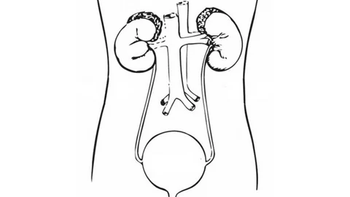
A novel gene therapy is being investigated for the treatment of Bacillus Calmette-Guerin-unresponsive non-muscle invasive bladder cancer, and the preliminary findings signal a high response rate with little toxicity.
The FDA’s Oncologic Drug Advisory Committee has voted against approval of the biologics license application for sintilimab plus pemetrexed and platinum-based chemotherapy for the treatment of nonsquamous non–small cell lung cancer without further clinical trial research.
After a successful interim analysis, the PRIMO study of duvelisib for the treatment of relapsed or refractory peripheral T-cell lymphoma is now fully accrued.

A patient with a high-risk skin cancer has been administered an investigational interleukin 7 agent, efineptakin alfa, plus atezolizumab, initiating treatment in a phase 2a study.
In an interview with Targeted Oncology, Toufic Kachaamy, MD, discussed in detail the role of the gastroenterology community in staging, diagnosing, and managing gastrointestinal malignancies.

Statistically significant improvement in progression-free survival has been shown with selinexor in patients with advanced or recurrent endometrial cancer, including those with wild-type p53.

After treatment with SurVaxM in patients with newly diagnosed glioblastoma significantly improved survival, investigators are continuing the evaluation of the agent in a phase 2b clinical trial.
In an interview with Targeted Oncology, Christopher Melani, MD, discussed the ongoing ViPOR study exploring a Bruton’s tyrosine kinase inhibitor and BCL2 inhibitor, and NF-κB survival pathway activating combination.
In an interview with Targeted Oncology, Michael A. Postow, MD, summarized the treatment landscape, provided takeaways from the most recent additions, and discussed other targets for metastatic melanoma.
An application for approval of a new dosing schedule of Rylaze has been submitted to the FDA.

In an interview with Targeted Oncology, David S. Hong, MD, discussed the mark tisotumab vedotin has made on the metastatic cervical cancer landscape thus far.
Topline results from an international phase 1 study of cosibelimab are encouraging and may lead to the submission of a biologics license application to the FDA.
Ahead of its Prescription Drug User Fee Act target action date, the supplemental biologics license application for cemiplimab as treatment of metastatic cervical cancer has been withdrawn.
DZD9008 for the treatment of patients with locally advanced or metastatic non–small cell lung cancer harboring with EGFR exon20 insertion mutations is an investigative treatment strategy in a clinical trial.
With a partial clinical hold placed by the FDA, all studies of magrolimab plus azacitidine must halt screening and enrollment.
Tebentafusp-tebn has been granted FDA approval to treat HLA-A*02:01-positive adult patients with unresectable or metastatic uveal melanoma based on positive results from a phase 3 study.

Results presented during the 2022 January ASCO Plenary Series showed that ripretinib did perform better than sunitinib in terms of the objective response rate, and the safety profile of the drug was favorable compared with sunitinib.
Globally, there is no established standard of care treatment for this patient population once patients failed on front-line platinum-based chemotherapy. Lenvatinib plus pembrolizumab is a new option.
For the treatment of patients with myelodysplastic syndrome, the FDA has granted an orphan drug designation to eltanexor.
In an interview with Targeted Oncology, Shannon N. Westin, MD, MPH, FACOG, reviewed the recent tweet chat around a high-grade epithelial ovarian cancer case.
The anti-CD47 antibody, AO-176, has been granted an FDA orphan drug designation for relapsed or refractory myeloma treatment and is being assessed in a phase 1/2 study.