
A highly anticipated presentation at the 2022 World Conference on Lung Cancer will be the first report of efficacy and safety from the phase 1b/2 CodeBreak 101 clinical trial and will provide updated results from the phase 2 CodeBreak 100 study.
A highly anticipated presentation at the 2022 World Conference on Lung Cancer will be the first report of efficacy and safety from the phase 1b/2 CodeBreak 101 clinical trial and will provide updated results from the phase 2 CodeBreak 100 study.

Upcoming data from part C of the DisTinGuish study will further confirm the benefit and safety of DKN-01 in combination with tislelizumab in patients with unresectable, locally advanced or metastatic gastric or gastroesophageal adenocarcinoma.
Visits to the phase 3 FLAMINGO-01 clinical trial sites have been initiated following the lift of a FDA clinical hold.
Based on findings from the TULIP study, [vic-] trastuzumab duocarmazine may be a new standard treatment option for patients with HER2-positive unresectable locally advanced metastatic breast cancer. a biologics license application has been accepted by the FDA.

In the interview with Targeted Oncology, Marcia S. Brose, MD, PhD, FASCO discussed treatment of TRK fusion-positive thyroid cancer based on the most recent data from 2022 ASCO Annual Meeting and ongoing studies.
The FDA has granted fast track designation to abelacimab for the treatment of thrombosis associated with cancer. The agent is being assessed in 2 phase 3 clinical trials.

In an interview with Targeted Oncology, Toni K. Choueiri, MD, discusses results from the KEYNOTE-564 efficacy analysis and what will come next for pembrolizumab treatment in renal cell carcinoma.

The recruitment of patients with melanoma has been completed in the phase 2 INITIUM clinical trial. Topline results from the study are expected to be reported in early 2023.
In the phase 3 TOPAZ-1 trial, the addition of durvalumab to standard-of-care chemotherapy achieved a statistically significant improvement in overall survival compared chemotherapy alone, meeting the study's primary end point.
The FDA has granted priority review to an approval application for mosunetuzumab for the treatment of patients with relapsed or refractory follicular lymphoma.
In the RATIONALE 306 clinical trial, the combination of tislelizumab and chemotherapy achieved a 34% reduction in the risk of death in patients with unresectable, locally advanced, or metastatic esophageal squamous cell carcinoma with either high or low PD-L1 expression.

In an interview with Targeted Oncology, Manali Kamdar, discussed the recent FDA approval of lisocabtagene maraleucel for the treatment of patients with relapsed or refractory large B-cell lymphoma, and how community oncologists should approach patient referrals and post-treatment care.

Five-year data from the RESPONSE-2 study combined with prior RESPONSE study results show that there is an option for the roughly 40% of patients with polycythemia vera who become intolerant or resistant to hydroxyurea.
Findings from an analysis of the CAPTIVATE study imply that ibrutinib plus venetoclax may allow for effective subsequent retreatment with ibrutinib and/or venetoclax and enhance clinical benefit.
The FDA has granted breakthrough therapy designation to talquetamab for the treatment of previously-treated adult patients with relapsed or refractory multiple myeloma based on positive results from the phase 1/2 MonumenTAL-1 study.
In a phase 1 clinical trial, treatment with GFH009 showed early signal s of efficacy in patients with advanced relapsed or refractory lymphoma and acute myeloid leukemia.

In an interview with Targeted Oncology™, Karen L. Reckamp, MD, discussed that limited options for patients with advanced NSCLC who are resistant to immune checkpoint inhibitor therapy. Reckamp also discusses how Lung-MAP research might play a hand in bringing new therapies in the future.
The FDA has granted approval lisocabtagene maraleucel for the treatment of adult patients with large B-cell lymphoma, with specific indications for patients with relapsed or refractory disease.
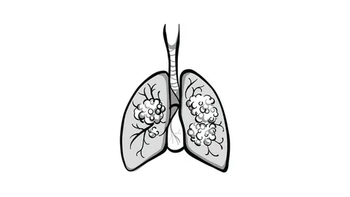
Results from a study of tazemetostat in patients with BAP1-inactivated malignant pleural mesothelioma show the feasibility of molecularly-stratified therapy for patients with relapsed or refractory disease.
Developers of elacestrant are seeking FDA approval of the agent for the treatment of patients with ER-positive/HER2-negative advanced or metastatic breast cancer.

In an interview with Targeted Oncology, Leonard A. Kalman, MD, discussed how real-world data will improve the understanding of patients with cancer being treated at Miami Cancer Institute and of how the business runs overall.
An investigational bivalent gB/pp65 immunotherapeutic vaccine candidate has been granted orphan drug designation by the FDA for the treatment of patients with glioblastoma.
The FDA has granted orphan drug designation to MB-106, for the treatment of patients with Waldenstrom macroglobulinemia. The agent is being investigated in a phase 1/2 clinical trial.

Alexander Drilon, MD, discussed NTRK gene fusions in solid tumors, collective findings of studies assessing larotrectinib for the treatment of these fusions, and how to conduct genomic testing to identify patients who might benefit from TRK inhibitor therapy.

In season 3, episode 5 of Targeted Talks, Thomas Habermann, MD, discusses the upcoming advances in the treatment of diffuse large B-cell lymphoma.

On the heels of positive phase 1 data, the phase 3 TROPION-Breast02 clinical trial has begun dosing of datopotamab deruxtecan in select patients with metastatic triple-negative breast cancer.

In an interview with Targeted Oncology™, Bruce Feinberg, DO, discussed the use of CAR T-cell therapy in the community oncology setting, the challenges oncologist face, and the next wave of innovation to improve CAR T-cell administration for patients.
Continued robust quality of life improvement documented in an expanded dataset of patients with TRK fusion cancer treated with larotrectinib are consistent with the rapid onset of clinical benefit and favorable safety profile of larotrectinib in both adult and pediatric patients.

Correlations between non–small cell lung cancer the metastasizes to the brain and enriched CDKN2A/B and EGFR alterations calls for further genomic exploration of this patient population.