BNT111, an immunotherapy agent under investigation in a phase 2 study, has been granted fast track designation by the FDA.
BNT111, an immunotherapy agent under investigation in a phase 2 study, has been granted fast track designation by the FDA.
The phase 1b KOMET-001 has been suspended while the developer of KO-539 and FDA investigate a serious safety event.
In an interview with Targeted Oncology™, Richard T. Silver, MD, discussed the role of interferon in the treatment of myeloproliferative neoplasm as well as the importance of the 3-year global MPN initiative being conducted by the MPN Research Foundation.
Phase 1b results indicate no benefit when chemotherapy is added to novel regimens for chronic lymphocytic leukemia.

From scientists to oncologists and other clinicians in the community setting, years of research has grasped the big picture of lung cancer occurrence and outcomes in Kentucky, and some have begun to investigate potential causes.
To address an unmet medical need for agents to treat B-cell malignancies, the FDA has granted an RMAT designation to CTX110, a chimeric antigen receptor T-cell therapy.
In the phase 3 QuANTUM-First trial, the combination of quizartinib and chemotherapy met its primary end point and analyses of the secondary end points are ongoing.
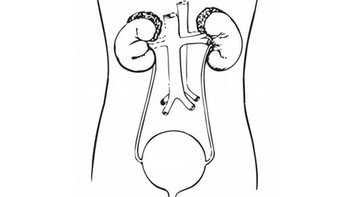
In an interview with Targeted Oncology, Viraj Master, MD, PhD, FACS , discussed how adjuvant pembrolizumab may impact the treatment landscape of renal cell carcinoma.
A novel liquid biopsy for the detection of early-stage breast cancer has been granted a breakthrough device designation from the FDA.
The FDA has granted fast track designation to MT-6402 for the treatment of patients with advanced non–small cell lung cancer expressing PD-1.

During the November 2021 Session of the American Society of Clinical Oncology Plenary Series, Michael B. Atkins, MD, presented data from the DREAMseq study, which compared 2 treatment sequences for advanced BRAF-mutant melanoma.

In an interview with Targeted Oncology, Katherine Poruk, MD, surgical oncologist, Cancer Treatment Centers of America, discussed the pancreatic treatment paradigm with an emphasis on the role of surgery.
The effects observed with concurrent ibrutinib and lisocabtagene maraleucel in the relapsed or refractory chronic lymphocytic leukeima population included changes in gene signatures related to proliferation, inflammation, and T cell exhaustion.
The FDA has granted orphan drug designation to LYT-200 for the treatment of patients with pancreatic cancer. The drug is currently under investigation in phase 1/2 clinical trial for the treatment of pancreatic cancer and other metastatic solid tumors.
Novel immuno-oncology agent, COM701 in combination with nivolumab and BMS-986207 may be safe for the treatment of patients with advanced solid tumors.
Ropeginterferon alfa-2b-njft has been granted FDA approval for the treatment of adults patients with polycythemia vera.
Phase 2 results presented during the SITC Annual Meeting show that adding intratumoral BO-112 to pembrolizumab in patients with advanced melanoma can induce durable responses.
The novel combination of belzutifan and lenvatinib will be tested against cabozantinib in a phase 3 clinical trial of patients with advanced renal cell carcinoma.
Full results from the phase 3 INVICTUS trial show stable progression-free survival advantage and improved overall survival with ripretinib in patients with an advanced gastrointestinal stromal tumor.
The novel checkpoint inhibitor, evorpacept induced responses in patients with head and neck squamous cell carcinoma and gastric cancer when used in combination with anticancer therapy and chemotherapy in a phase 1b study.
Compared with systemic therapy administered after cytoreductive nephrectomy, active surveillance was an option for some patients with metastatic renal cell carcinoma.
Compared with sunitinib, second-line treatment with ripretinib did not improve progression-free survival in patients with gastrointestinal stromal tumor.
After showing significant improvement in survival, a breakthrough therapy designation application for leronlimab has been submitted to the FDA.
TheADAGE study has shown that in both young and older patients, chemotherapy is manageable in the adjuvant setting.
New findings suggest that understanding subtypes of non-clear cell renal cell carcinoma is important for personalizing treatment.
The frontline combination of lenvatinib and pembrolizumab is under investigation as a treatment option for patients with non-clear cell renal cell carcinoma in the recently launched phase 2 KEYNOTE-B61 trial.
Savolitinib in combination with durvalumab has been dosed to the first patient with MET-driven advanced papillary renal cell carcinoma in a phase 3 study.
During a presentation at the 2021 International Kidney Cancer Symposium, Bradley McGregor, MD, discussed analyses of outcomes based on histology in major RCC clinical trials, and how this approach will shape the future of treatment.

Until the CONFIRM results, no phase 3 trial had demonstrated improvement survival for patients with pleural or peritoneal malignant mesothelioma who have progressed following platinum-based chemotherapy.
Investigators set out to determine the relationship between prostate-specific antigen response and urinary and bowel adverse events, QOL deterioration, and prostate cancer-related invasive procedures.