
In patients with TRK fusion central nervous system tumors, treatment with the larotrectinib continues to show rapid and durable response and manageable toxicity.
In patients with TRK fusion central nervous system tumors, treatment with the larotrectinib continues to show rapid and durable response and manageable toxicity.

The probability of minimal residual disease negativity and complete remission in patients who received hyper-CVAD with blinatumomab and inotuzumab is higher compared with hyper-CVAD and blinatumomab alone.

Few community practices are performing in-office infusions on CAR T-cell therapy, but due to interest from 20% of them, experts recommend stakeholder alignment to address the concerns of the oncology population.
Within 60 days, the FDA will make a decision on whether to accept the biologics license application for omidubicel as treatment for patients with blood cancers in need of an allogeneic hematopoietic stem cell transplant.
A fast track designation has been granted by the FDA to the combination of PDS0101 and pembrolizumab, an investigational regimen for the treatment of patients with recurrent or metastatic HPV16-positive head and neck squamous cell carcinoma.
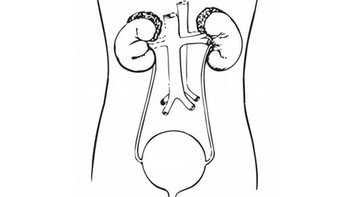
In an interview with Targeted Oncology, William J. Catalona, MD, reviewed the history of active surveillance in the prostate cancer space and how the practice has become more widespread in the United States.

The combination of naxitamab combined with irinotecan, temozolomide, and sargramostim induced responses in patients with high-risk neuroblastoma.
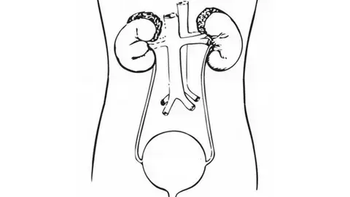
In an interview with Targeted Oncology, Neal Shore, MD, FACS, discussed the use of enzalutamide plus androgen deprivation therapy in metastatic hormone sensitive prostate cancer and how post-hoc findings from the ARCHES study can be applied to practice.
In patients with advanced non-squamous non–small cell lung cancer treated within large community health systems in the United States , biomarker testing appeared to be significantly higher compared with independent community practices, research shows.

Dosing of NX-2127 in patients with chronic lymphocytic leukemia has begun in a phase 1b clinical trial.
With an FDA fast track designation in tow, seribantumab is now under investigation in a phase 2 study of patients with advanced solid tumors.
The FDA has granted approval to azacitidine for the treatment of pediatric patients with newly diagnosed juvenile myelomonocytic leukemia following positive phase 2 research.
In an interview with Targeted Oncology™, Siddhartha Mukherjee, MD, examined the current treatment landscape for acute myeloid leukemia and therapies on the horizon.
In an interview with Targeted Oncology, Joaquim Bellmunt, MD, PhD, discussed the long-term overall survival data for first-line maintenance avelumab in mUC presented at the AUA 2022 Annual Meeting and a sub-analysis of the JAVELIN Bladder 100 trial being read out at the upcoming 2022 ASCO Annual Meeting.
In the phase 3 IKEMA study, isatuximab added to carfilzomib and dexamethasone improved progression-free survival in patient with relapsed multiple myeloma.

Findings from a post-hoc analysis of the phase 3 ARAMIS clinical trial shows positive efficacy and consistent safety and tolerability with darolutamide in patients with nonmetastatic castration resistant prostate cancer, despite type of prior local therapy.
In an interview with Targeted Oncology, Wojciech Jurczak, MD, PhD, discussed the clinical trial investigation of ceralasertib with or without acalabrutinib in patients with high-risk relapsed or refractory chronic lymphocytic leukemia.

In an interview with Targeted Oncology, Ping Chi, discussed the novel strategy of combining KIT and MEK inhibition to treat patients with GIST treated in the frontline setting.
In an interview with Targeted Oncology, Robert J. Soiffer, MD, discussed the evolving role of stem cell transplant in hematologic malignancies as CAR T-cell therapies begin to reshape treatment landscapes.
Although there was no significant overall survival benefit shown with pembrolizumab in the KEYNOTE-177 study, response and safety findings still support its use as a frontline option for patients with microsatellite instability high and mismatch repair deficient metastatic colorectal cancer.

The phase 1/2 THETIS clinical trial is actively recruiting patients with metastatic melanoma to be treated with the investigation combination of ATL001 and an immune checkpoint inhibitor.
In an interview with Targeted Oncology, Robert Sackstein, MD, discussed ongoing research around the strategy of targeting the sugar coat of cancer cells to potentially aid in cancer treatment, particularly in hematologic malignancies.
The phase 3 COMBI-i trial demonstrated that spartalizumab plus dabrafenib and trametinib has modest efficacy in BRAF V600-positive metastatic melanoma, but no progression-free survival benefit when compared with dabrafenib and trametinib alone.
Fam-trastuzumab deruxtecan-nxki has been approved by the FDA for the treatment of adult patients with unresectable or HER2-positive metastatic breast cancer who have received a prior anti-HER2- based regimen.
The FDA has granted orphan drug designation to AB001 for the treatment of patients with pancreatic cancer and acute myeloid leukemia.

As a follow-up to the success observed in the phase 2 COAST study, investigators of the phase 3 PACIFIC-9 have begun administering durvalumab in combination with monalizumab or oleclumab to patients with unresectable, stage III non–small cell lung cancer.
The FDA has granted breakthrough device designation to Precision-GI, a tool that assists with performing a tumor biopsy.
The FDA has accepted a supplemental new drug application for darolutamide in combination with docetaxel for the treatment of metastatic hormone-sensitive prostate cancer and granted it priority review.
A complete response letter from the FDA has been issued regarding the biologics license application for toripalimab with or without chemotherapy for the treatment of advanced recurrent or metastatic nasopharyngeal carcinoma.