With an FDA orphan drug designation for the treatment of patients with uveal melanoma, darovasertib is being actively investigated in a phase 1/2 clinical trial.
With an FDA orphan drug designation for the treatment of patients with uveal melanoma, darovasertib is being actively investigated in a phase 1/2 clinical trial.
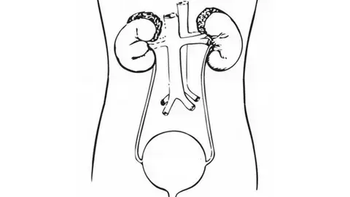
Nintedanib plus neoadjuvant chemotherapy did not achieve improvement in pathologic complete response in patients with muscle invasive bladder cancer in the phase 2 NEOBLADE study, but the study provided important survival signals.

Treatment with the combination of odetiglucan or Imprime PGG and pembrolizumab had begun in patients with metastatic hormone-refractory breast cancer who are enrolled in a phase 2 clinical trial.

In an interview with Targeted Oncology™, Hagop M. Kantarjian, MD, discussed the evolution of the acute lymphoblastic leukemia-treatment landscape and how further changes may be soon to come.

The phase 2 HERIZON-BTC-01 of zanidatamab in patients with HER2-amplified biliary tract cancer has met its patient enrollment goal.
The FDA has granted fast track designation to SQZ-PBMC-HPV for the treatment of patient with HPV16-positive advanced or metastatic solids tumors, according to an announcement by SQZ Biotechnologies.

In an interview with Targeted Oncology™, Yonina R. Murciano-Goroff, MD, MSc, DPhil, discussed how MET fusions impact patients with NSCLC and the issue of resistance to targeted therapies that treat MET fusion-positive disease.

In RATIONALE 306, tislelizumab plus chemotherapy extended overall survival in patients with previously untreated unresectable, locally advanced, recurrent, or metastatic esophageal squamous cell carcinoma.
Fast track designation has been granted by the FDA to ONC-392, an anti-CTLA-4 monoclonal antibody used for the investigational treatment of patients with metastatic non–small cell lung cancer.
The FDA has granted fast track designation to ofranergene obadenovec in combination with paclitaxel for the treatment of platinum-resistant ovarian cancer. The agent is under investigation in the phase 3 OVAL study.
The FDA has granted orphan drug designation to the STA3 inhibitor, TTI-101, for the treatment of hepatocellular carcinoma. The agent is currently being investigated in a phase 1 clinical trial.

In an interview with Targeted Oncology, Basem Goueli, MD, PhD, MBA, discussed the recent crackdown on PI3K inhibitors and how this drug class may fit into future treatment for hematologic malignancies as well as solid tumors.

Frontline treatment with axicabtagene ciloleucel demonstrated a high rate of rapid and durable responses in patients with high-risk large B-cell lymphoma in the phase 2 ZUMA-12 study.
CMG90 is the only drug in its class to have received fast-track status to date. Prior to its fast track status, the drug was granted orphan drug designation by the FDA.
In a 16 to 0 vote, the FDA’s Oncologic Drugs Advisory Committee has voted yes to future approvals of PI3K inhibitors being supported by randomized data given observed toxicities in the drug class, research showing a detriment in OS, a narrow range between effective, and toxic doses.
In an interview with Targeted Oncology, Luv Hajirawala, MD, discussed the relevance of high-risk features in patients with stage III colon cancer, and how a recent real-world analysis may change risk stratification in the future.

Updated results from the RATIONALE-309 study show that tislelizumab continues to prolong PFS extend PFS after the next line of therapy in patients with recurrent or metastatic nasopharyngeal carcinoma.

Hospital oncology units have been among the most at-risk areas of hospitals with multiple outbreaks having occurred since the virus was first introduced.

Pembrolizumab may be a new therapeutic option for patients classic and endemic Kaposi’s sarcoma, according to phase 2 study results.
In an interview with Targeted Oncology, Robin Zon, MD, FACP, FASCO, discussed the role of telemedicine in oncology and how it continues to evolve to shape the future of the field.
Adding toripalimab to the chemotherapy combination of gemcitabine and cisplatin may lead to better efficacy outcomes in patients with advanced nasopharyngeal carcinoma, compared with chemotherapy alone.

Promising T-cell responses and safety has been shown with the CoVac-1 vaccine in patients with cancer who have disease- or treatment-related immunoglobulin deficiency.
Magrolimab clinical trials including patients with myelodysplastic syndrome and acute myeloid leukemia may continue now that the FDA has lifted a partial clinical hold.
Targeting multiple immune cell pathways may elicit better major pathologic and pathologic complete responses in patient with resectable, early-stage non–small cell lung cancer versus immune checkpoint inhibition alone.

With a voluntary partial clinical hold in place, patients who were already enrolled to the TakeAim Lymphoma study and deriving benefit from emavusertib can continue treatment at the dose of 300 mg twice daily or lower.
During a presentation, Paul G. Richardson, MD, talked about the shift from triplet combination therapies toward quadruplet combinations for the treatment of multiple myeloma.
In an interview with Targeted Oncology, Shawn Dason, MD, discussed existing disparities in prostate cancer, the impact of the COVID-19 pandemic on the issue, and achieving health equity for patients with prostate cancer in the future.
The FDA has granted orphan drug designation to serplulimab for the treatment of patients with small cell lung cancer.

Results from the BIONIKK study confirm that response to immune checkpoint inhibitor monotherapy or combination therapy as well as to VEGFR tyrosine kinase inhibitor therapy is different depending on the characteristics of the tumor and its microenvironment.
FDA fast track designation has been granted to a novel agent, DT2216, for the treatment of patient with relapsed or refractory peripheral T-cell lymphoma and cutaneous T-cell lymphoma.