
Results from the POLARIX clinical trial support the use of polatuzumab vedotin plus rituximab as frontline treatment for diffuse large B-cell lymphoma.
Results from the POLARIX clinical trial support the use of polatuzumab vedotin plus rituximab as frontline treatment for diffuse large B-cell lymphoma.
During a debate a the SOHO 2022 Annual Meeting, Jennifer R Brown, MD, PhD presented in favor of combining small molecules in CLL. Making the argument for sequencing small molecules in CLL was Anthony Mato, MD.
Interim findings from the DREAMM-6 study hint that belantamab mafodotin plus lenalidomide and dexamethasone is effective with tolerable safety in patients with relapsed or refractory multiple myeloma.
The question of the most optimal therapy for Philadelphia chromosome-positive chronic myeloid leukemia has come down to asciminib vs ponatinib.
Results from the phase 3 AGILE study presented at SOHO 2022 show that ivosidenib plus azacitidine prolong event-free and overall survival with good responses vs placebo in patients with IDH1-mutated acute myeloid leukemia
During 10th Annual Meeting of the Society of Hematologic Oncology, Ajay Nooka, MD, discussed the new regimens with positive clinical trials in RRMM.
In the myeloma space, minimal residual disease negativity is prognostic of progression-free survival in relapsed or refractory patients. In leukemia, the biomarker combined with other prognostication techniques provides complex information that is clinically relevant.
A 5-year overall survival analysis led the FDA to question duvelisib for relapsed or refractory chronic lymphocytic leukemia. ODAC members voted that the benefit-risk profile of the drug is not favorable.
Based on the efficacy, toxicity, dose-optimization, and lack of confirmatory data for poziotinib in HER2 exon 20 insertion-positive non–small cell lung cancer, ODAC has voted that the drug has an unfavorable risk/benefit profile.
Following a report of impressive 2-year follow-up data, the FDA has granted a regular approval to selpercatinib.

With extended follow-up, selpercatinib has maintained its efficacy and safety in patients with RET fusion-positive non-small cell lung cancer.

In an interview with Targeted Oncology, Fred Saad, MD, FRSC, discussed key biomarkers for prostate cancer and findings from a biomarker analysis of the phase 3 PROpel clinical trial.

In season 3, episode 8 of Targeted Talks, Christie J. Hilton, DO, discusses treating first- and second-line HER2-positive breast cancer.

In an interview with Targeted Oncology™, Cyrus M. Khan, MD, discussed new strategies for the treatment of mantle cell lymphoma and needs for the future.

In the phase 3 CheckMate-76K study, adjuvant nivolumab administered to patients with stage IIB/C melanoma resulted in prolonged recurrence-free survival compared with placebo.

In patients with BRAF V600-mutated melanoma and central nervous system metastases, treatment with atezolizumab to vemurafenib plus cobimetinib achieved a good intracranial overall response rate. Responses were all achieved with the combination in patients with BRAF wild-type tumors.

Treatment with AST-301 will be explored in patients with HER2-low breast cancer in the phase 2 Cornerstone-011 study.

In an interview with Targeted Oncology, David Oubre, MD discussed the use of liquid biopsy to identify prognostic and predictive biomarkers in patients with non–small cell lung cancer. He also explained the results and implications of the INSIGHT study.
The targeted alpha therapy, FPI-1966, has been dosed for the first time in a phase 1/2 study of patients with advanced solid tumors that express FGFR3.
In an interview with Targeted Oncology, Eunice S. Wang, MD, discussed the growing use of menin inhibitors in acute myeloid leukemia, and clinical trial research further supporting the treatment strategy.
In the CodeBreaK 200 clinical trial, progression-free survival was extended with sotorasib treatment in patients with KRAS G12C-mutated non–small cell lung cancer vs standard of care chemotherapy.
In the interview with Targeted Oncology, Srdan Verstovsek, MD, PhD, discussed the FDA approval of pemigatinib for relapsed or refractory myeloid/lymphoid neoplasms with FGFR1 rearrangement. He also discussed the FIGHT-203 trial, and possibilities for pemigatinib in the future.

No significant survival differences were shown between 2 high-dose regimens for newly diagnosed multiple myeloma. However, certain prognostic factors may improve or decrease survival.
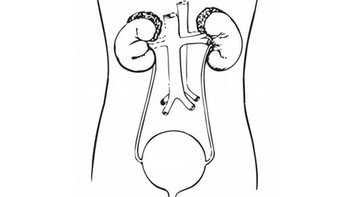
During the 2022 Debates and Didactics in Hematology and Oncology conference, Bassel Nazha, MD, MPH and Jacqueline T. Brown, MD, debated on adjuvant vs neoadjuvant systemic therapy for patients with upper tract urothelial cancer.
Findings from.the phase 1/2 IMAGINE have led the FDA to approve ibrutinib for select pediatric and young adult patients with chronic graft-versus-host disease.

Following an FDA investigational new drug application and protocol approval, the phase 2 study of AMP-270 and rintatolimod in patients with advanced pancreatic cancer has begun.
Treatment with CD30 chimeric antigen receptor T-cell therapy combined with a monoclonal antibody has begun in the phase 1b ACTION study of patients with relapsed or refractory classical Hodgkin lymphoma.
The TakeAim Lymphoma study will continue to evaluate emavusertib with or without ibrutinib in patients with various types of lymphoma after a 4 1/2-month partial clinical hold placed by the FDA.
In an interview with Targeted Oncology, Brandon Sheffield, MD, discussed relevant biomarkers for testing in patients with non–small cell lung cancer, and the cost-effectiveness of single-gene test vs next-generation sequencing.
Patients with either breast cancer, endometrial cancer, or ovarian cancer have started treatment with XMT-1660 in a phase 1 clinical trial.