


Renal Cell Carcinoma
Latest News
Latest Videos







CME Content





























More News

A sudden surge in the cases of COVID-19 due to pandemic, along with efforts to contain it, has led to multiple challenges that no country has experienced in the last several decades. The global pandemic from COVID-19 poses a unique set of challenges not only for patients with cancer who need their treatment, but also for caregivers, oncologists, and the overall care team.
Bradley McGregor, MD, discusses a trial investigating atezolizumab and bevacizumab in patients with metastatic renal cell carcinoma and variant histologies and/or sarcomatoid features.
In an interview with Targeted Oncology, Kashyap Patel, MD, discussed the COVID-19 pandemic and the implementation of new precautions in his practice as the number of COVID-19 infected persons rises in the state.<br />

Oncology Venture has met with the FDA to discuss a potential path forward for the approval of dovitinib as a treatment for patients with renal cell carcinoma, according to a press release from the company.
Patients harboring IDH1/2 muta­tions may receive benefit by the use of PARP inhibitors, with investigators initi­ating clinical trials in patients across multiple different tumor types to determine the efficacy of this strategy.
Treatment with pembrolizumab demonstrated antitumor activity along with tolerable toxicity in patients with 4 different rare and hard-to-treat malignancies, according to results from a phase II study led by The University of Texas MD Anderson Cancer Center researchers and published in the Journal for ImmunoTherapy of Cancer.
The FDA has accepted a Biologics License Application for MYL-1402O, a proposed biosimilar to bevacizumab, according to a press release from co-developers Biocon and Mylan. The BLA is seeking approval for the biosimilar as a treatment for multiple types of cancer and the FDA has set an action date goal of December 27, 2020, for a decision on the BLA.
As the new coronavirus disease 2019 creates problems internationally, health-wise and economically, it is also becoming a cause for concern throughout the oncology community.
In February 2020, the FDA gave indications to multiple therapies meant for treatment of solid tumor and hematologic malignancies. FDA action included 10 Priority Reviews, 2 Breakthrough Therapy designations, and 2 Fast Track designations.
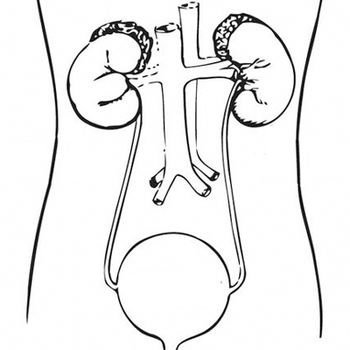
Patients with metastatic renal cell carcinoma in a real-world cohort of a retrospective analysis demonstrated positive activity and a favorable safety profile when receiving frontline tivozanib.

To help clinicians cope with an increasing number of geriatric patients with cancer, the Association of Community Cancer Centers is addressing this problem with a 2-pronged approach that focuses on the delivery of care and diagnostic assessment.
In the CheckMate 025 trial, nivolumab remained superior to everolimus in terms of efficacy and safety in patients with advanced renal cell carcinoma at more than 5 years minimum follow-up and had continued responses in 28 percent of patients, according to a presentation at the 2020 American Society of Clinical Oncology Genitourinary Cancers Symposium.
Most patients with metastatic renal cell carcinoma whose disease progresses after immunotherapy given either alone or in combination with other agents receive subsequent treatment with VEGF tyrosine kinase inhibitors or mTOR inhibitors. When administered post-immunotherapy, cabozantinib is associated with superior median progression free survival, according to retrospective data from a real-world study of patients treated at 16 Italian referral centers.
Stereotactic body radiotherapy combined with nivolumab was associated with “high” disease control and overall survival rates in a phase II study of pretreated patients with metastatic renal cell carcinoma, according to lead investigator Cristina Masini, MD, who presented the data at the 2020 Genitourinary Cancers Symposium.
Combining a broad-spectrum tyrosine kinase inhibitor with an immune checkpoint inhibitor resulted in a high disease control rate in a preliminary dose-finding trial involving patients with advanced clear cell renal cell carcinoma.
A fourth of patients with advanced clear cell renal cell carcinoma responded to single-agent therapy with an oral hypoxia-inducible factor–2α inhibitor, which achieved a disease control rate of 80%, a preliminary clinical trial showed.

Bradley McGregor, MD, clinical director, Lank Center for Genitourinary Oncology, Dana-Farber Cancer Institute, senior physician, instructor in medicine, Harvard Medical School, discusses the goals of the phase III CheckMate-9ER trial, which is evaluating cabozantinib combined with nivolumab in previously untreated patients with advanced or metastatic renal cell carcinoma (RCC).
The combination of ilixadencel plus sunitinib has demonstrated favorable survival compared with sunitinib alone in patients with newly diagnosed metastatic synchronous renal cell carcinoma, Immunicum AB announced in a press release. The research update presented at the 2020 American Society of Clinical Oncology-Society for Immunotherapy of Cancer Clinical Immuno-Oncology Symposium showed a survival curve separation in the phase II MERECA trial that gives promising signals for the future.



TKI in Poor-Risk Advanced Renal Cell Carcinoma