



Prostate Cancer
Latest News
Latest Videos


CME Content





























More News
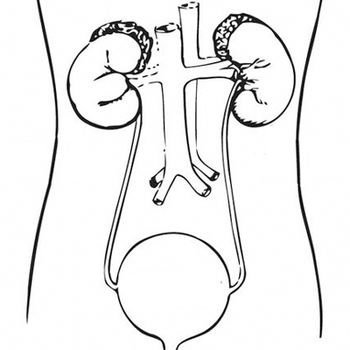
Bone metastases in castration-resistant prostate cancer create a significant problem. Prostate cancer represents 21% of all new cancer cases in men and is the second most common cause of cancer death among American men after lung cancer.

Metastatic Prostate Cancer with Charles Ryan, MD and William K. Oh, MD

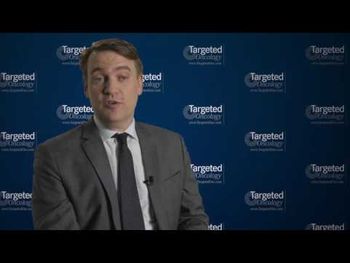
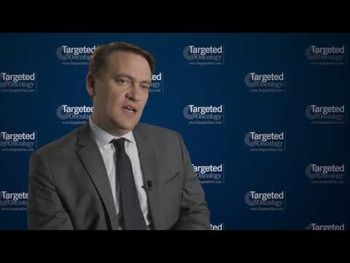



While the ALSYMPCA trial led to the FDA approval of radium-223 dichloride (Xofigo), the phase III study left several questions to be answered regarding its use in metastatic castration-resistant prostate cancer (mCRPC), says Luke Nordquist, MD.
Researchers are hoping the results of a latestage efficacy and safety study of apalutamide (ARN-509) in patients with high-risk, localized, or locally advanced prostate cancer who are receiving primary radiation therapy will demonstrate an improvement in metastasis-free survival, according to global principal investigator, Howard M. Sandler, MD.

Neratinib, an experimental TKI being developed for breast cancer, achieved a 36% clinical benefit rate in a phase II trial, according to a poster presented June 5, 2016 at the ASCO Annual Meeting in Chicago.
Patients with metastatic castrate-resistant prostate cancer (mCRPC) who were treated with enzalutamide (Xtandi) were more likely to experience central nervous system (CNS) events or fatigue than patients treated with the combination of abiraterone acetate (Zytiga) and prednisone.
Men with nmCRPC demonstrated a median time to PSA progression of 28.7 months and a median time to radiographic progression of 41.4 months, according to updated safety and efficacy data involving abiraterone acetate and low-dose prednisone.
Using the Decipher Prostate Cancer Classifier assay to predict which patients might respond to hormonal therapy has resulted in the discovery and validation of an adjuvant androgen-deprivation therapy resistance signature.

Sue Naeyaert, senior director of Biosimilars Policy, EMD Serono, discusses the long-term impact that biosimilars could potentially have on the field of oncology.

Charles Ryan, MD, Professor of Clinical Medicine and Urology, Department of Medicine, Program Leader, Genitourinary Medical Oncology at the Helen Diller Family Comprehensive Cancer at the Univeristy of California San Francisco, discusses abiraterone acetate in elderly chemotherapy naive patients with metastatic castration resistant prostate cancer (mCRPC).
Leonard Gomella, MD, physician, professor, and chair of the Department of Urology at Thomas Jefferson University and Clinical Director Jefferson Sidney Kimmel Cancer Network, shares insight on genomic markers in patients with prostate cancer.
Diagnosing patients with significant prostate cancer may become much easier due to a new MRI technology, according to Herbert Lepor, MD.
Evolution in the field of identifying biomarkers to properly treat patients has seen massive strides within the past 2 years, says Oliver Sartor, MD.

Treatment with unilateral high-intensity focused ultrasound led to eradication of all clinically significant cancer in the treated lobe for 94% of patients with early prostate cancer.
Men with metastatic castration-resistant prostate cancer experienced significant reductions in bone pain and improvements in quality of life when treated with the combination of radium-223 and abiraterone.