
Prostate Cancer
Latest News
Latest Videos








CME Content





























More News



Optimal Use of Bone-Targeted Therapy for mCRPC




mCRPC Treated with Concomitant ADT and Radium-223 Therapy

Based on phase III results from the PROSELICA trial, the FDA has approved the combination of cabazitaxel at a dose of 20 mg/m<sup>2</sup> every 3 weeks and prednisone for the treatment of patients with metastatic castration-resistant prostate cancer who previously received a docetaxel-containing regimen.

An analysis of the genomic landscape of patients with prostate cancer shows that tumors separated into 3 clusters that aligned with the luminal A, luminal B, and basal subtypes found in breast cancer tumors, according to a presentation during the 2017 American Urological Association Annual Meeting.
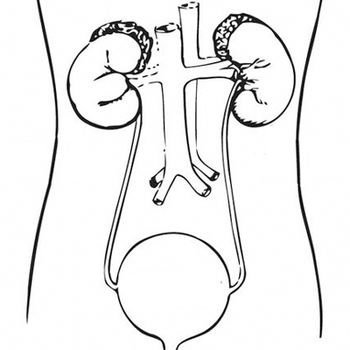
Based on results of a feasibility study, researchers in the United Kingdom have decided to move forward with a full randomized controlled trial comparing partial prostate ablation (PA) with radical prostatectomy (RP) in patients with intermediate-risk prostate cancer, according to a presentation at the 2017 American Urological Association Annual Meeting.
Results of an investigation presented at the 2017 American Urological Association Annual Meeting indicate that resistance to docetaxel and cabazitaxel (Jevtana) in patients with castration-resistant prostate cancer (CRPC) is mediated by a common mechanism, overexpression of the ABCB1 gene.

Kim Chi, MD, professor, University of British Columbia, discusses results of the phase III LATITUDE trial of androgen deprivation therapy with abiraterone acetate plus prednisone (Deltasone) or placebos in newly diagnosed high-risk metastatic hormone-naive prostate cancer.

Earlier intervention with abiraterone acetate (Zytiga) lowered the risk of death by nearly 40% for men with high-risk advanced or metastatic prostate cancer who were newly diagnosed or had not yet received hormone therapy in findings from 2 clinical trials presented at the 2017 ASCO Annual Meeting.
Adam Scott Feldman, MD, MPH, urologist at Massachusetts General Hospital, assistant professor of Surgery, Harvard Medical School, discusses a study focused on active surveillance in men with prostate cancer under the age of 60.
Our understanding of the genomic landscape of metastatic castration-resistant prostate cancer has been rapidly progressing, with new clinical data emerging to clarify and, in many cases, support the use of PARP inhibitors in the treatment of these patients.
More Stage I cancers were diagnosed after the passage of the Affordable Care Act within 5 screenable disease types (colorectal cancer, female breast cancer, cervical cancer, lung cancer, and prostate cancer) than were diagnosed before ACA implementation.
Based on results from Maslach Burnout Inventory (MBI) questions included as part of the 2016 American Urological Association (AUA) Census, burnout rates among urologists are lower than previously reported, but the issue still remains important.
Wassim Abida, MD, PhD, discusses how genetic testing can benefit patients with prostate cancer and their families, and the challenges that still need to be addressed in this area.