





Prostate Cancer
Latest News
Latest Videos









CME Content





























More News

Researchers note that chronic Hedgehog (Hh) pathway stimulation has been shown in prostate, lung, and ovarian cancers, and that zinc levels decrease early in prostate cancer continuing to castration-resistant disease. Researchers are exploring whether or not zinc may suppress the autocatalysis in the Hh precursor and inhibit production of biologically active Hh ligand.

Tasquinimod demonstrated promise in phase II trials but failed to improve overall survival in a phase III trial in treatment-naive metastatic castration-resistant prostate cancer; some experts believe this failure highlights the need for more intelligent clinical trial designs in prostate cancer.

Accelerated hypofractionated radiotherapy using a schedule of 60 Gy in 20 fractions of 3 Gy delivered in 4 weeks was found to be comparable to the conventional schedule of 74 Gy/37 of 2 GY delivered in 7.2 weeks in patients with localized prostate cancer taking androgen deprivation therapy.

Androgen deprivation therapy has been the standard of care for patients with advanced prostate cancer (PC), because these agents inhibit cancer progression in the early stages of disease.

A subanalysis of the ALSYMPCA trial suggests that chemotherapy can be safely administered after treatment with radium-223 in patients with metastatic CRPC and bone metastasis.
Neal D. Shore, MD, FACS, Atlantic Urology Clinics, discusses glypican-1 as a biomarker for prostate cancer.

Dr. Sandler Discusses Docetaxel With Hormonal and Radiation Therapy in Patients With Prostate Cancer
Howard M. Sandler, MD, MS, FASTRO, Cedars Sinai, discusses patient benefit and toxicities of a phase III study of docetaxel with hormonal and radiation therapy of patients with prostate cancer.

Fred Saad, MD, FRCS, University of Montreal, discusses the benefit of radium-223 for the treatment of patients with metastatic castration-resistant prostate cancer (mCRPC).

Targeted Oncology spoke with two leading experts in the prostate cancer field about the range of available treatments and their current applications in men with mCRPC.

Circulating tumor cells (CTCs) have been recognized as a potential source of prostate cancer seeding to distant metastatic sites (typically bone) for over a century.

Bone metastases in metastatic castration-resistant prostate cancer (mCRPC) can invade a range of sites in the skeleton where they precipitate a spectrum of pathological processes that increase morbidity, negatively affect quality of life, and decrease survival.

Scott Eggener, MD, associate professor of surgery, co-director, Prostate Cancer Program, director, Transitional and Outcomes Research, Section of Urology, The University of Chicago Medicine, discusses racial disparities in men with prostate cancer.

Stacy Loeb, MD, assistant professor, Urology and Population Health, NYU Langone Medical Center, discusses the controversy of screening and treatment in men with prostate cancer, as well as data from the National Prostate Cancer Register (NPCR) of Sweden.
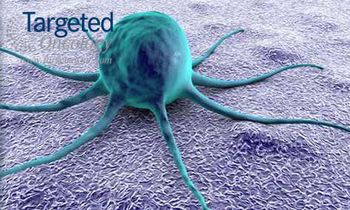
Administering 6 cycles of docetaxel at the beginning of androgen-deprivation therapy (ADT) to patients with metastatic, hormone-sensitive prostate cancer (mHSPC) resulted in a significantly longer overall survival (OS) than ADT alone.

A paper published in the Journal of Clinical Oncology, authored by Tosoian et al, reports on the long-term outcomes of prospective active surveillance (AS) of patients with favorable-risk prostate cancer.

Radium-223 dichloride (Xofigo) has shown a significant survival advantage in the treatment of patients with metastatic castration-resistant prostate cancer (mCRPC) who have symptomatic bone metastases, and a multidisciplinary approach to treatment has become more widely practiced in community clinics.

James Kearns, MD, discusses genetic correction of prostate-specific antigen (PSA) and how it can reduce the number of patients diagnosed with potentially insignificant prostate cancer

Judd W. Moul, MD, urologic oncologist, Duke Medicine, discusses the impact of immunotherapy in prostate cancer.
Xiaosong Meng, MD, PhD, NYU Langone Medical Center, discusses MRI-US fusion targeted biopsies in high-grade prostate cancer.

A publication in Scientific Reports has identified a novel biomarker, diaphanous-related formin-3 (DIAPH3), which may help predict response to taxane-based chemotherapies in patients with metastatic breast or prostate cancer.
Matthew Cooperberg, MD, genitourinary cancer specialist, University of California San Francisco, discusses the impact of immunotherapy on the treatment of prostate cancer. Cooperberg believes immunotherapy treatment should be used earlier in the course of the disease.

There has been a preponderance in the healthcare industry to overtreat early-stage, slow-progressing prostate cancer, often subjecting patients to unwarranted, life-altering treatments.

Treatment decisions in prostate cancer are still largely guided by the classical diagnostic parameters, including Gleason scoring, TNM classification, and prostate specific antigen (PSA) levels, despite growing evidence that molecular signatures may be useful for assessing risk.

Michael Brawer, MD, vice president, Medical Affairs, Myriad Genetic Laboratories, discusses Prolaris testing in men who have clinically localized prostate cancer.

Patients with prostate cancer are now more likely to receive appropriate medical care matched to their level of risk, as opposed to overly aggressive or inadequate treatments