

LUNG CANCER
Latest News
Latest Videos




CME Content





























More News

Gregory J. Riely, MD, PhD, vice chair, Clinical Trials Office, Department of Medicine, Memorial Sloan Kettering Cancer Center, discusses treatment considerations for older patients with lung cancer.
Balazs Halmos, MD, section chief of Thoracic Oncology at New York-Presbyterian Hospital/Columbia University Medical Center, discusses the implication of the IPASS study.

PD-L1 levels adequately predict response and clinical outcomes for PD-1 inhibitor MK-3475 in patients with non-small cell lung cancer (NSCLC) and melanoma.

Thomas J. Lynch, MD, Yale Cancer Center, discusses actionable mutations in non-small cell lung cancer (NSCLC).

CO-1686 has demonstrated promising activity without producing many of the side effects traditionally associated with the class of drugs in patients with T790M-mutated non-small cell lung cancer (NSCLC).
Todd Demmy, MD, clinical chair, Department of Thoracic Surgery, professor of oncology, Roswell Park Cancer Institute, discusses photodynamic therapy for the treatment of mesothelioma.

The large phase III MAGRIT study investigating the MAGE-A3-specific vaccine GSK1572932A for patients with non-small cell lung cancer (NSCLC) will be completely halted following an interim analysis that demonstrated a lack of benefit.
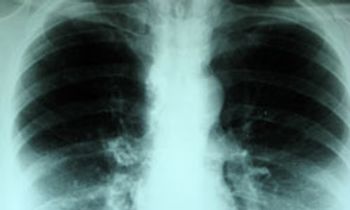
The MAGE-A3-specific immunotherapeutic GSK1572932A failed to significantly extend disease-free survival (DFS) in patients with resected nonmetastatic non-small cell lung cancer (NSCLC) who tested negative for a specific gene expression signature.

While the concept of cancer-specific immunotherapy is not new, it recently has been proven feasible as a rational treatment for patients with some of the most challenging and difficult malignancies.
Balazs Halmos, MD, section chief of Thoracic Oncology at NewYork-Presbyterian Hospital/Columbia University Medical Center, discusses the future of immunotherapy treatments.

New treatments that are currently in development have begun to show promise for patients diagnosed with ALK-positive non-small-cell lung cancer (ALK+ NSCLC), a subset of patients who have historically faced poor outcomes.
Alice T. Shaw, MD, PhD, an attending physician in the Center for Thoracic Cancers at Massachusetts General Hospital, discusses resistance to crizotinib in patients with ALK-positive lung cancer
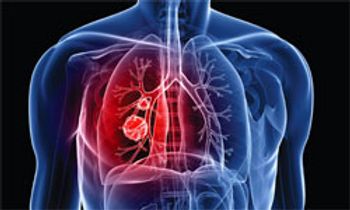
NSCLC that is positive for ALK, a receptor tyrosine kinase (RTK), typifies a phenomenon termed “oncogene addiction,†in which tumor cells depend on a single causative pathway or protein for their growth and survival.

Naiyer A. Rizvi, MD, an associate attending physician, Memorial Sloan Kettering Cancer Center, discusses PD-L1 as a potential biomarker for immunotherapy agents for patients with lung cancer.
Chandra P. Belani, MD, Deputy Director, Penn State Hershey Cancer Institute, Miriam Beckner Distinguished Professor of Medicine, Penn State Hershey College of Medicine, discusses treating older patients who have non-small cell lung cancer

Lung cancer remains the single largest cause of cancer-related deaths, and the burden of the disease in the elderly population will only grow as life expectancy increases.

Lung cancer continues to be the leading cause of cancer-related mortality, resulting in ~1.4 million annual deaths worldwide and 160,000 deaths each year in the United States.

Advances in the treatment of non-small cell lung cancer (NSCLC) have resulted in some positive outcomes in recent years, adding choices to the treatment armamentarium.
Although the current standard of care for advanced NSCLC remains platinum doublet chemotherapy, recent evidence suggests that most newly diagnosed patients may be candidates for targeted therapy as firstline treatment.
The second-line administration of ramucirumab in combination with docetaxel demonstrated a statistically significant improvement in overall survival (OS) and progression-free survival (PFS) compared with placebo plus docetaxel in patients with non-small cell lung cancer (NSCLC). The announcement was made Feb. 19 by Eli Lilly and Company, the company developing the agent.

Anti-angiogenic therapy aims to disrupt blood supply to tumors and has proven clinical benefit in nonsquamous non-small cell lung cancer (NSCLC).
Merck announced the signing of three separate clinical collaboration agreements to evaluate the potential of MK-3475 across multiple tumor types. The agreements were signed through subsidiaries with Amgen Inc., Incyte Corporation, and Pfizer Inc.
The future of PD-1 and PD-L1 inhibition in non-small cell lung cancer (NSCLC) is bright, with ongoing studies suggesting that the strategy will lead to a “new world†in the treatment of the disease.
Chandra P. Belani, MD, discusses the VEGF-targeted agent nintedanib (BIBF 1120).
The FDA has granted a Breakthrough Therapy designation to dabrafenib for its potential as a treatment for patients with metastatic BRAF V600E mutation-positive NSCLC who have received at least one prior line of platinum-containing chemotherapy.