


LUNG CANCER
Latest News
Latest Videos




CME Content





























More News

Many patients with non–small cell lung cancer (NSCLC) have no identifiable mutations, and therefore their disease cannot be managed with targeted treatments.
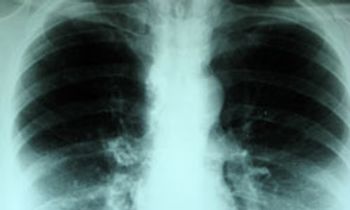
The oral multikinase inhibitor motesanib failed to meet the primary endpoint of improving progression-free survival (PFS) in patients with non–small cell lung cancer (NSCLC) in the phase III MONET-A trial.
Roy S. Herbst, MD, PhD, professor, Yale Cancer Center, chief of medical oncology, Smilow Cancer Hospital at Yale-New Haven, comments on the development of biomarkers for lung cancer.
An international team of scientists has shed additional light on the important role of Yes-associated protein (YAP) in tumor development and in treatment response.

To make a diagnosis of lung cancer, radiologists, who must read radiographs accurately can fall victim to a psychological phenomenon known as inattentional blindness.

Representatives Diana DeGette (D, Colorado) and Fred Upton (R, Michigan) recently released a "discussion draft" of the 21st Century Cures Act.

The anti–PD-L1 agent MPDL3280A has received a breakthrough therapy designation from the FDA as a potential treatment for patients with PD-L1–positive NSCLC who have progressed on platinum-based chemotherapy and a EGFR or ALK inhibitor.
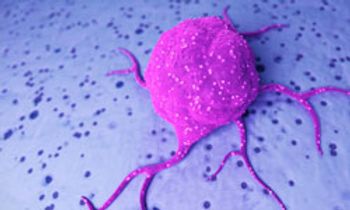
Metastatic disease accounts for the vast majority of cancer-related deaths. Ensuring a definitive diagnosis and the most effective treatment in a timely fashion is essential for extending life expectancy.
Lecia V. Sequist, MD, discusses the unanswered question of which EGFR TKI to use in the frontline setting of NSCLC.
Nivolumab (Opdivo) improved survival compared with docetaxel in patients with pretreated squamous cell non–small cell lung cancer (NSCLC) in the phase III CheckMate-017 trial, according to Bristol-Myers Squibb (BMS), which manufactures the drug.

Thomas J. Lynch, MD, discusses challenges associated with treating patients with lung cancer with molecular targeted therapies.
Treating sensitizing EGFR-mutant non-small cell lung cancer (NSCLC) with tyrosine kinase inhibitors (TKIs) leads to better outcomes compared with standard chemotherapy.

The FDA has approved the VEGFR-2 inhibitor ramucirumab (Cyramza) in combination with docetaxel for the treatment of patients with metastatic non-small cell lung cancer (NSCLC) whose tumor has progressed during or following treatment with platinum-based chemotherapy.

The programmed death receptor-1 (PD-1) ligand, PD-L1, has become a viable target for immunotherapy in cancer, with multiple antibodies now in development.

Multiple trials are ongoing in NSCLC with immunotherapy agents. As with most cancers, however, there is also a need to identify which types of patients with NSCLC might benefit the most from these new therapies.
Vassiliki Papadimitrakopoulou, MD, discusses adverse events associated with immunotherapies for the treatment of lung cancer.

In malignancies with limited response rates to existing radiation and/or chemotherapy, immunotherapy is being investigated as a potential adjunct, with promising results, particularly in the treatment of malignant mesothelioma.

Ceritinib (Zykadia) showed clinically significant antitumor activity in patients with ALK-rearranged non-small cell lung cancer (NSCLC), including those with brain metastases.

Suresh S. Ramalingam, MD, discussed the potential of veliparib as a treatment for patients with squamous cell NSCLC in an interview with Targeted Oncology.
Combination therapies with agents such as indoleamine 2,3-dioxygenase (IDO) inhibitors may have the potential to synergize with immunotherapeutic approaches to improve immune function against tumor cells.

Peter Hammerman, MD, PhD, assistant professor of medicine, Harvard Medical School, Dana-Farber Cancer Institute, discusses the future treatment of squamous cell lung cancer.

Increasing knowledge of the diverse pathologic and molecular phenotypes in non-small cell lung cancer (NSCLC) has driven a more complex treatment algorithm in recent years.
Benjamin P. Levy, MD, comments on the role of chemotherapy in the treatment of lung cancer.

Abraham Chachoua, MD, discusses some challenges of treating patients with lung cancer.

Howard (Jack) West, MD, is the medical director of the Thoracic Oncology Program at Swedish Cancer Institute and president and CEO of Global Resource for Advancing Cancer Education.